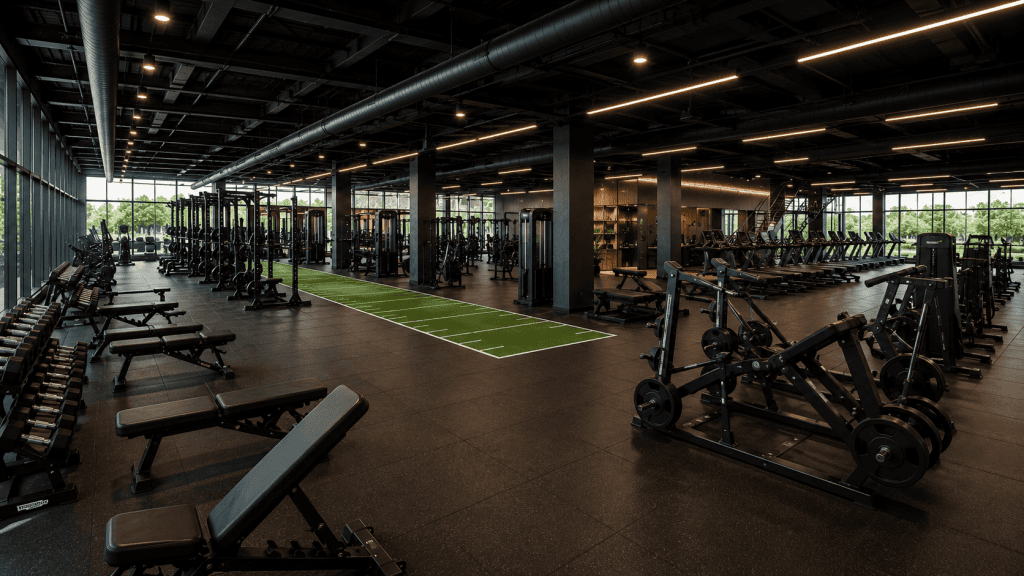
Training Complex Funding: A Complete Guide to Building and Financing Elite Athletic Facilities
Athletic performance centers have become an essential part of modern sports development. Schools, universities, private training organizations, and professional coaches increasingly rely on specialized facilities to help athletes improve strength, speed, agility, endurance, and recovery. Whether you are building a new training complex or expanding an existing performance center, securing financing can help you invest in quality equipment, advanced technology, and facility improvements while preserving working capital.
This guide explains financing options available to sports performance facilities, technology investments, marketing strategies, and practical considerations for long-term business growth.
Table of Contents
- Why Sports Performance Facilities Continue to Grow
- Understanding Training complex funding
- Startup Costs for Athletic Performance Centers
- Benefits of athlete development center financing
- Technology Investments for Modern Training
- Example Investment Graph
- Preparing for Financing
- Suggested Internal Links
- Helpful External Resources
Why Sports Performance Facilities Continue to Grow
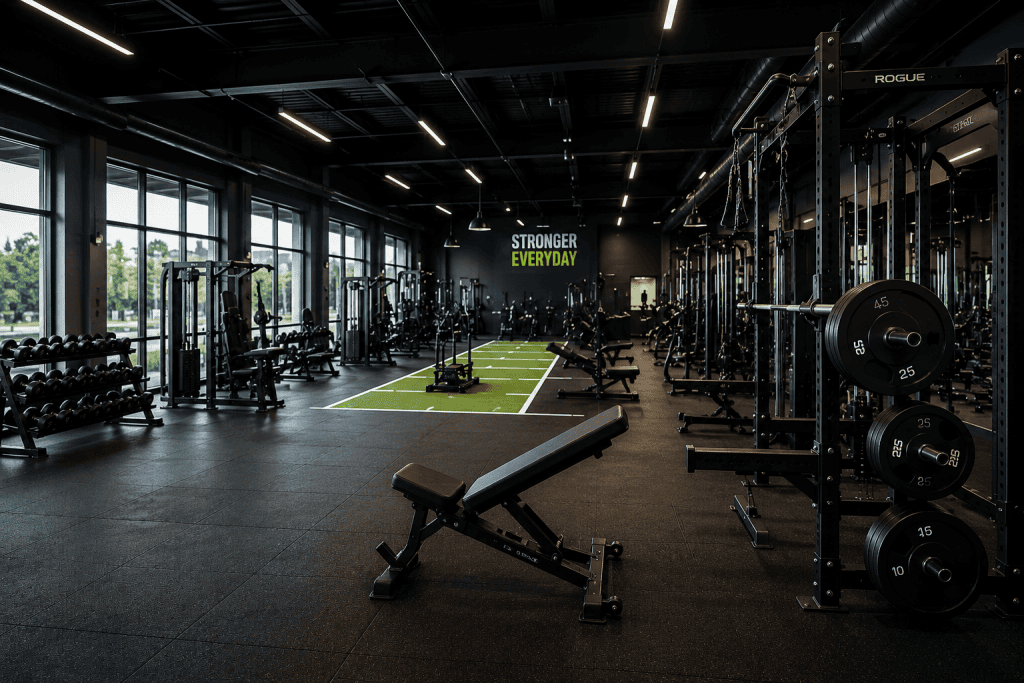
Competitive athletics continue to evolve across youth, collegiate, amateur, and professional levels. Athletes increasingly seek specialized coaching and facilities that provide measurable performance improvements.
Modern training centers frequently offer:
- Speed development
- Strength training
- Olympic lifting
- Functional movement
- Recovery therapy
- Nutrition coaching
- Mobility training
- Performance testing
- Sports-specific coaching
These specialized services often require substantial investment in commercial equipment and facility infrastructure.
Understanding Training complex funding
Training complex funding refers to financing designed to help sports performance businesses construct, renovate, purchase, or expand athletic training facilities.
Funding may support projects including:
- Commercial construction
- Leasehold improvements
- Artificial turf installation
- Weight rooms
- Sprint lanes
- Recovery centers
- Sports science equipment
- Office space
- Working capital
- Technology infrastructure
Many owners choose financing so they can complete major projects while preserving available cash for payroll, marketing, and day-to-day operations.
Typical Startup Costs
Opening a modern training complex requires careful budgeting.
Typical investment categories include:
| Category | Example Cost Range |
|---|
| Building Improvements | $100,000–$600,000+ |
| Commercial Equipment | $150,000–$500,000+ |
| Functional Turf | $30,000–$150,000+ |
| Recovery Equipment | $25,000–$150,000+ |
| Technology Systems | $20,000–$100,000+ |
| Reception & Offices | $20,000–$80,000+ |
| Initial Marketing | $10,000–$60,000+ |
Actual costs vary depending on location, building size, construction requirements, and equipment selection.
Building a Complete Athlete Development Facility
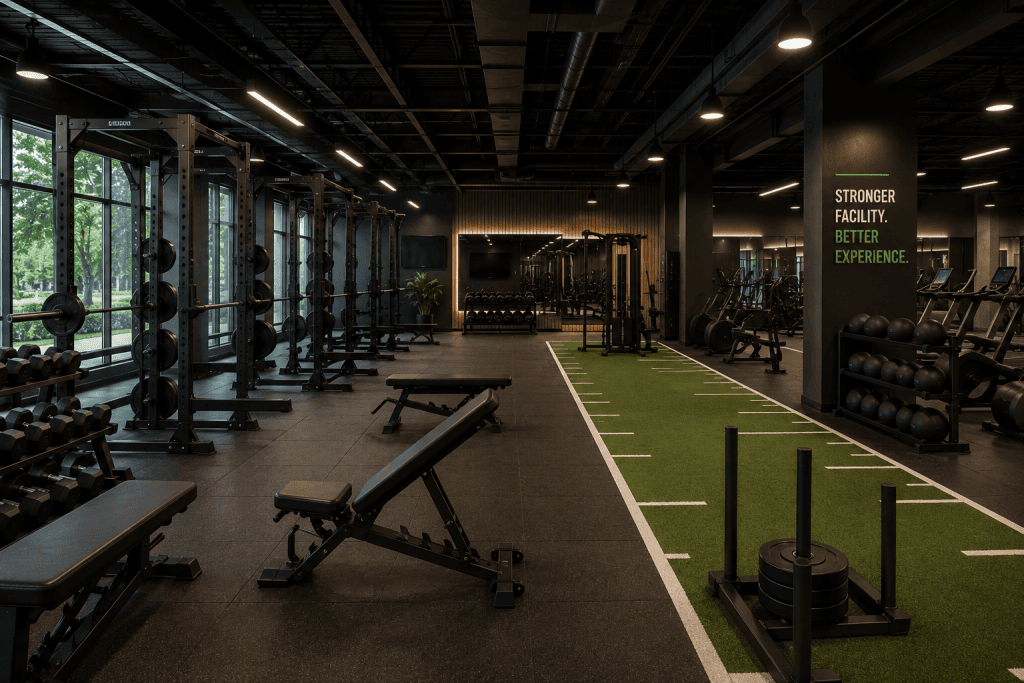
Today’s athlete development centers often include several specialized areas.
Common facility features include:
- Olympic lifting platforms
- Sprint lanes
- Agility zones
- Turf fields
- Plyometric stations
- Recovery lounges
- Nutrition consultation rooms
- Video analysis rooms
- Locker rooms
- Administrative offices
Thoughtful facility design helps maximize athlete safety, coaching efficiency, and member satisfaction.
Growing Through athlete development center financing
Many successful performance centers eventually expand beyond their original locations.
athlete development center financing may help fund:
- Building additions
- New locations
- Expanded strength areas
- Additional recovery rooms
- Larger locker rooms
- Sports science laboratories
- Classroom space
- Indoor practice facilities
Expansion projects should be supported by realistic financial planning and demonstrated demand.
Technology Is Transforming Athletic Training
Performance training increasingly relies on technology to measure athletic progress and improve coaching decisions.
Popular technologies include:
- Motion analysis systems
- Force plates
- Velocity trackers
- GPS monitoring
- Heart rate monitoring
- Wearable sensors
- Athlete management software
- Digital scheduling
- Performance analytics
Technology allows coaches to monitor athlete development using measurable data rather than observation alone.
Investing in fitness tracking technology financing
Advanced tracking systems have become common in elite training facilities.
fitness tracking technology financing may support investments in:
- Wearable monitoring devices
- Athlete management platforms
- Performance dashboards
- Speed timing systems
- Motion capture technology
- Strength assessment equipment
- Recovery monitoring software
- Cloud-based reporting systems
Choosing scalable technology platforms may allow facilities to grow without replacing entire systems as membership increases.
Example Investment Allocation
The following chart illustrates an example allocation of startup or expansion investments for a modern athlete development center.
Example Athlete Development Center Investment Categories
Illustrative allocation of startup or expansion costs for a sports performance facility. Actual project costs vary by location, size, and business model.
These figures are examples only and are intended to illustrate common investment categories rather than actual market pricing.
Preparing Before Applying
Before applying for financing, business owners should organize key financial documents.
Common documentation includes:
- Business tax returns
- Profit and loss statements
- Balance sheets
- Business bank statements
- Contractor estimates
- Equipment quotations
- Business plans
- Commercial lease agreements
Preparation helps financing providers better evaluate the proposed project.
Financial Factors Often Reviewed
Although lending requirements vary, financing providers commonly review:
Revenue History
Consistent revenue may demonstrate business stability.
Cash Flow
Healthy cash flow may indicate the ability to manage future financial obligations.
Existing Debt
Current liabilities help lenders evaluate overall financial leverage.
Industry Experience
Management experience and operational history may also influence financing decisions.
Suggested Internal Links
Consider linking this article to related pages on your website:
- Home
- About Us
- Contact Us
- Gym Equipment Financing
- Sports Performance Equipment
- Working Capital
- Business Line of Credit
- Commercial Real Estate Financing
- Equipment Leasing
- Fitness Business Resources
Helpful External Resources
Readers looking for additional guidance may find these organizations useful:
- U.S. Small Business Administration (SBA)
- Internal Revenue Service (IRS)
- Occupational Safety and Health Administration (OSHA)
- Health & Fitness Association
- National Strength and Conditioning Association (NSCA)
Marketing an Athlete Development Center
Building a high-quality training complex is only part of creating a successful business. Consistent marketing helps generate awareness, attract athletes, and establish long-term relationships with schools, teams, and individual clients.
Many owners evaluate fitness marketing funding to support advertising campaigns, digital outreach, website improvements, and community engagement while preserving cash flow for daily operations.
Marketing investments may include:
- Website development
- Search engine optimization (SEO)
- Paid search advertising
- Social media advertising
- Email marketing
- Video production
- Community sponsorships
- Referral programs
- Open house events
A diversified marketing strategy can help maintain a steady pipeline of prospective members.
Developing an Effective Marketing Strategy
Successful performance centers typically combine several marketing channels.
Digital Presence
Modern facilities often invest in:
- Google Business Profile optimization
- Local SEO
- Pay-per-click advertising
- Social media campaigns
- Educational blog content
- Athlete success stories
- Online reviews
Publishing educational content and showcasing measurable athlete progress can help build credibility with prospective clients.
Community Relationships
Strong local partnerships often generate valuable referrals.
Potential partnerships include:
- High schools
- Youth sports organizations
- Colleges
- Physical therapy clinics
- Orthopedic practices
- Athletic trainers
- Community recreation programs
These relationships can strengthen brand recognition and expand referral opportunities.
Why It’s Important to compare gym loans
Every financing product is different.
Business owners should always compare gym loans before making a long-term financial commitment.
Important comparison points include:
- Interest rates
- Repayment schedules
- Fees
- Funding amounts
- Qualification requirements
- Prepayment policies
- Customer support
- Funding timelines
Taking time to evaluate multiple financing options may help identify a solution that aligns with both current cash flow and long-term business objectives.
Choosing the Right Financing Provider
Selecting a financing partner involves more than reviewing interest rates.
Business owners should also evaluate:
- Industry experience
- Reputation
- Responsiveness
- Available financing products
- Flexibility
- Customer service
- Transparency
- Educational resources
A provider familiar with fitness businesses may better understand the unique investment needs of athletic performance facilities.
Managing Operational Risk
Every training facility faces operational risks that require ongoing planning.
Examples include:
- Equipment failures
- Seasonal enrollment changes
- Staff turnover
- Technology outages
- Building maintenance
- Economic slowdowns
Maintaining emergency reserves, following preventive maintenance schedules, and reviewing insurance coverage regularly can help reduce operational disruptions.
Hiring and Staff Development
As athlete development centers grow, staffing often becomes one of the largest operating expenses.
Common positions include:
- Strength coaches
- Speed coaches
- Sports performance specialists
- Athletic trainers
- Front desk personnel
- Operations managers
- Maintenance staff
- Administrative support
Continuing education and professional certifications help maintain high coaching standards and improve the overall athlete experience.
Five-Year Growth Example
A structured growth plan helps prioritize investments and allocate resources effectively.
| Year | Primary Objective |
|---|
| Year 1 | Complete facility launch and begin marketing |
| Year 2 | Expand coaching staff and programming |
| Year 3 | Upgrade technology and recovery services |
| Year 4 | Expand the facility or add satellite locations |
| Year 5 | Develop regional training partnerships |
Each organization should tailor its growth strategy based on financial performance, athlete demand, and market opportunities.
Frequently Asked Questions
What is Training complex funding?
Training complex funding refers to financing that may be used to build, expand, renovate, or equip athletic training facilities, depending on lender requirements and business qualifications.
When should I consider athlete development center financing?
Many owners evaluate athlete development center financing when expanding training space, adding recovery services, opening additional facilities, or investing in specialized equipment.
What can fitness tracking technology financing be used for?
Depending on the lender and financing program, fitness tracking technology financing may support purchases such as wearable monitoring devices, performance analytics software, timing systems, motion analysis equipment, and athlete management platforms.
Can fitness marketing funding help increase membership?
Many businesses use fitness marketing funding to invest in SEO, digital advertising, website improvements, social media campaigns, referral programs, and community outreach. Results depend on strategy, market conditions, and execution.
Why should I compare gym loans before accepting financing?
Taking time to compare gym loans allows business owners to evaluate financing costs, repayment structures, qualification requirements, fees, and available funding options before making a financial commitment.
Best Practices Before Applying
Before seeking financing, consider:
- Reviewing financial statements
- Preparing realistic revenue projections
- Obtaining equipment and contractor estimates
- Comparing multiple financing options
- Maintaining emergency operating reserves
- Consulting qualified financial, legal, and tax professionals when appropriate
Preparation can help business owners identify financing solutions that support sustainable long-term growth.
Conclusion
Building a successful athletic performance center requires thoughtful planning, disciplined financial management, and strategic investment in facilities, technology, and coaching resources. Whether launching a new training complex or expanding an established performance center, financing can help support growth while preserving working capital.
Business owners exploring Training complex funding can invest in construction, equipment, and facility improvements designed for athlete development. Growing organizations may consider athlete development center financing to expand services and increase training capacity, while fitness tracking technology financing can support investments in performance monitoring systems and athlete analytics. Strategic use of fitness marketing funding may increase visibility and attract new athletes, and taking time to compare gym loans can help identify financing solutions that align with both immediate operational needs and long-term business goals.
Every financing decision should be based on careful planning, realistic financial projections, and a thorough review of financing terms before entering into any agreement.
Suggested Internal Links
Link this article to:
- Home
- About Us
- Contact Us
- Sports Performance Equipment Financing
- Gym Equipment Financing
- Working Capital
- Business Line of Credit
- Equipment Leasing
- Commercial Real Estate Financing
- Fitness Business Resources
Suggested External Links
For additional guidance, readers can consult: