Sports Training Business Loans: A Complete Guide to Financing and Growing a Modern Fitness Business
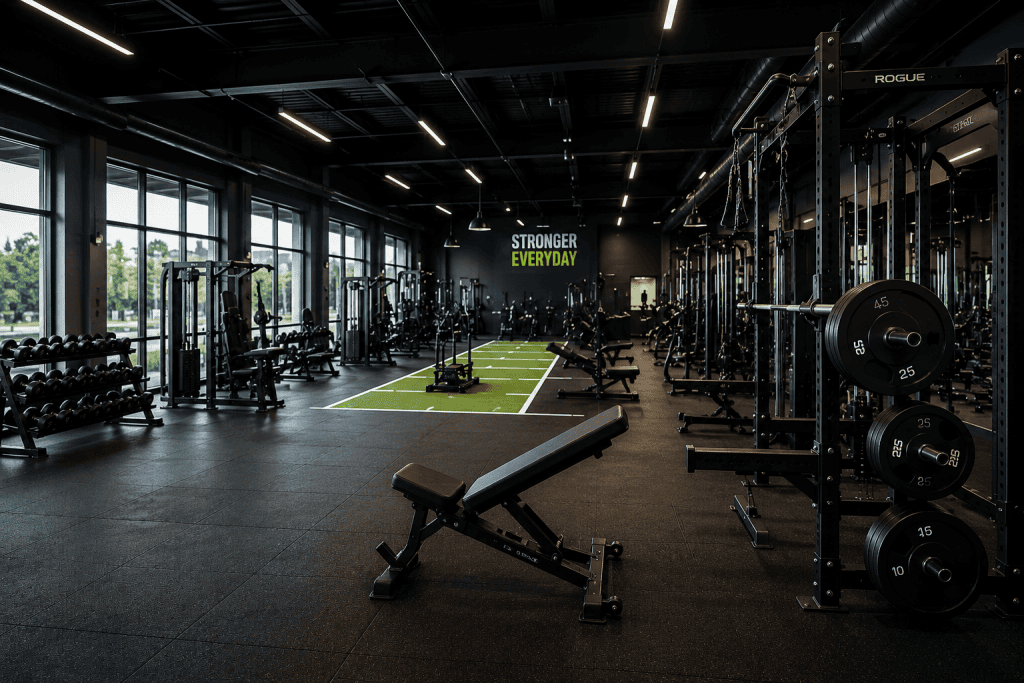
Opening or expanding a fitness business requires careful planning, disciplined financial management, and strategic investment. Whether you operate a sports performance center, strength and conditioning facility, commercial gym, or health club, capital is often needed for equipment, technology, staffing, renovations, and future expansion.
This guide explains how financing can support the growth of athletic training facilities, discusses common funding strategies, and outlines important considerations before pursuing business financing.
Table of Contents
- The Evolution of the Fitness Industry
- Understanding Sports training business loans
- Common Startup and Expansion Costs
- Evaluating fitness business financing options
- Using fitness center funding programs
- Example Capital Allocation
- Preparing Before Applying
- Suggested Internal Links
- Helpful External Resources
The Evolution of the Fitness Industry
Today’s fitness businesses provide much more than access to exercise equipment.
Many facilities now offer:
- Personal training
- Strength and conditioning
- Functional fitness
- Sports performance coaching
- Recovery services
- Physical therapy partnerships
- Nutrition coaching
- Youth athletic development
- Corporate wellness
- Digital fitness tracking
Consumer expectations continue to rise, making reinvestment in facilities and equipment an important part of long-term business planning.
Understanding Sports training business loans
Sports training business loans are financing solutions that may help fitness businesses purchase equipment, improve facilities, increase working capital, or support expansion projects.
Financing may potentially be used for:
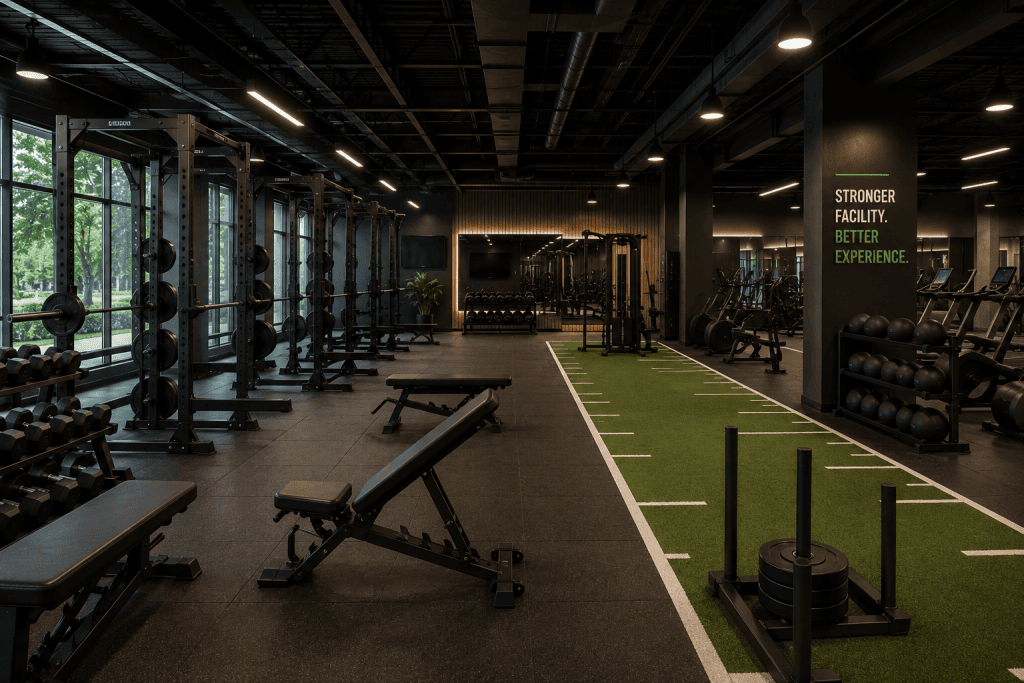
- Commercial strength equipment
- Cardio machines
- Sprint lanes
- Artificial turf
- Olympic lifting platforms
- Locker rooms
- Reception areas
- Technology systems
- Initial marketing
- Working capital
Available financing depends on lender qualifications, business financial performance, and the financing program selected.
Common Startup and Expansion Costs
Launching or expanding a commercial fitness facility often requires significant capital investment.
| Category | Estimated Cost Range |
|---|
| Commercial Equipment | $150,000–$500,000+ |
| Facility Improvements | $100,000–$600,000+ |
| Artificial Turf | $20,000–$100,000+ |
| Technology Systems | $25,000–$100,000+ |
| Recovery Equipment | $25,000–$150,000+ |
| Furniture & Fixtures | $20,000–$80,000+ |
| Working Capital | $75,000–$300,000+ |
Actual costs vary according to facility size, location, equipment manufacturers, and construction requirements.
Evaluating fitness business financing options
Owners frequently compare several fitness business financing options before selecting a financing solution.
Examples include:
- Equipment financing
- Commercial loans
- Business lines of credit
- Commercial real estate financing
- SBA-backed financing programs (when eligible)
- Equipment leasing
- Working capital financing
Each financing option has unique qualification requirements, repayment structures, and permitted uses.
Planning Long-Term Growth
Long-term success often depends on strategic reinvestment.
Common investments include:
- Additional workout areas
- Functional fitness zones
- Recovery lounges
- Sports performance technology
- Group exercise studios
- Childcare facilities
- Outdoor training areas
- Expanded parking
Growth projects should align with measurable business goals and realistic financial projections.
Growing Through fitness center funding programs
Many expanding facilities evaluate fitness center funding programs that may help support:
- Equipment purchases
- Facility renovations
- Technology upgrades
- Additional staffing
- Working capital
- Marketing initiatives
- Recovery services
- Member amenities
Expansion decisions should be based on careful budgeting and projected customer demand.
Technology Investments
Technology continues transforming fitness operations.
Popular investments include:
- Membership management software
- Customer relationship management (CRM)
- Mobile applications
- Online scheduling
- Automated billing
- Digital access control
- Performance tracking
- Business analytics
Technology investments can improve operational efficiency while enhancing the overall member experience.
Example Capital Allocation
The chart below illustrates one example of how capital might be allocated during a sports performance facility expansion.
Example Sports Performance Facility Investment Budget
Illustrative allocation of capital for a commercial fitness expansion project. Actual costs vary by market and business model.
This example is provided for illustration only and should not be interpreted as standard industry pricing.
Preparing Before Applying
Before seeking financing, businesses should organize key financial documents.
Common documentation includes:
- Business tax returns
- Profit and loss statements
- Balance sheets
- Business bank statements
- Equipment quotations
- Contractor estimates
- Commercial lease agreements
- Business plans
Preparation can improve communication with financing providers and streamline the application process.
Financial Factors Commonly Reviewed
Although underwriting standards vary among financing providers, several financial factors are commonly reviewed.
Revenue History
Consistent revenue may demonstrate business stability.
Cash Flow
Positive cash flow may indicate the business’s ability to manage future financial obligations.
Existing Debt
Outstanding liabilities help financing providers evaluate overall financial leverage.
Management Experience
Industry knowledge and management experience may strengthen a financing application.
Suggested Internal Links
Link this article to:
- Home
- About Us
- Contact Us
- Gym Equipment Financing
- Business Line of Credit
- Working Capital
- Equipment Leasing
- Commercial Real Estate Financing
- Sports Performance Equipment
- Fitness Business Resources
Helpful External Resources
Readers may benefit from these authoritative resources:
- U.S. Small Business Administration (SBA)
- Internal Revenue Service (IRS)
- Occupational Safety and Health Administration (OSHA)
- Health & Fitness Association
- National Strength and Conditioning Association (NSCA)
Working with Health Club Financing Specialists
As fitness businesses expand, owners often compare multiple financing products before making a long-term commitment. While financing needs vary from one facility to another, evaluating available options carefully can help business owners select funding that aligns with their operational goals and projected cash flow.
Many owners work with health club financing specialists to better understand financing structures, documentation requirements, repayment options, and project budgeting before submitting an application.
Projects commonly financed include:
- Commercial exercise equipment
- Facility renovations
- Technology upgrades
- Working capital
- Recovery equipment
- Additional training areas
- Locker room improvements
- Member amenities
Financing programs vary by lender, borrower qualifications, and project scope.
Building a Competitive Fitness Business
Competition within the fitness industry continues to increase.
Successful facilities often distinguish themselves by offering:
- Specialized athletic coaching
- Recovery services
- Functional training
- Youth athletic development
- Nutrition counseling
- Community events
- Mobile applications
- Personalized member experiences
Strategic investments should support measurable improvements in member satisfaction and long-term business performance.
Marketing for Sustainable Growth
Marketing remains one of the most valuable long-term investments.
Effective marketing strategies often include:
- Local search engine optimization
- Google Ads
- Social media campaigns
- Referral programs
- Community sponsorships
- Email newsletters
- Educational content
- Online reviews
Businesses evaluating fitness business financing options sometimes allocate a portion of their financing toward marketing initiatives designed to increase membership and strengthen brand recognition.
Marketing performance should be reviewed regularly using measurable objectives such as lead generation, customer acquisition costs, conversion rates, and member retention.
Purchasing an Existing Fitness Facility
Buying an existing gym may offer several advantages compared with building a new location.
Established businesses may already have:
- Active memberships
- Experienced staff
- Existing equipment
- Operational procedures
- Vendor relationships
- Brand recognition
- Historical financial records
- Community visibility
Before completing an acquisition, buyers should carefully review all financial records, equipment condition, lease agreements, and membership trends.
Renovation and Facility Improvements
Even profitable facilities require periodic modernization.
Businesses utilizing fitness center funding programs frequently invest in improvements such as:
- New flooring
- LED lighting
- Expanded strength areas
- Functional fitness zones
- Locker room renovations
- Reception upgrades
- Recovery spaces
- Accessibility improvements
Well-planned improvements can enhance the member experience while improving operational efficiency.
Managing Business Risk
Every fitness business should prepare for unexpected operational challenges.
Examples include:
- Equipment failures
- Staff turnover
- Seasonal membership fluctuations
- Building maintenance
- Technology outages
- Economic slowdowns
Maintaining emergency operating reserves, preventive maintenance schedules, and appropriate insurance coverage can help reduce the impact of unexpected events.
Hiring and Staff Development
As facilities expand, staffing requirements generally increase.
Common positions include:
- Personal trainers
- Strength coaches
- Sports performance coaches
- Group fitness instructors
- Nutrition consultants
- Operations managers
- Administrative personnel
- Maintenance technicians
Continuing education and professional certifications can improve service quality while increasing member satisfaction.
Example Five-Year Growth Plan
| Year | Primary Objective |
|---|
| Year 1 | Build a stable membership base |
| Year 2 | Upgrade equipment and technology |
| Year 3 | Expand specialized training services |
| Year 4 | Renovate or acquire an additional location |
| Year 5 | Introduce advanced recovery and wellness programs |
Each growth plan should reflect local market conditions, financial performance, and operational capacity.
Frequently Asked Questions
What are Sports training business loans?
Sports training business loans are financing products that may help qualified businesses purchase equipment, improve facilities, expand operations, or increase working capital. Eligibility and financing terms differ among lenders.
What are fitness business financing options?
fitness business financing options can include equipment financing, commercial business loans, business lines of credit, commercial real estate financing, equipment leasing, and other funding solutions, depending on borrower qualifications and lender offerings.
What are fitness center funding programs?
fitness center funding programs generally refer to financing solutions that may help businesses purchase equipment, renovate facilities, expand operations, or improve technology. Available uses depend on the financing provider.
What do health club financing specialists do?
health club financing specialists help business owners evaluate financing products, understand documentation requirements, compare available funding options, and identify financing solutions that may align with specific project needs.
Best Practices Before Applying
Before seeking financing, consider:
- Reviewing financial statements
- Preparing realistic cash flow projections
- Comparing multiple financing offers
- Obtaining contractor and equipment estimates
- Maintaining emergency operating reserves
- Consulting qualified legal, accounting, and tax professionals before entering into financing agreements
Thorough preparation can improve decision-making and help identify financing solutions appropriate for your business goals.
Conclusion
Growing a successful fitness business requires careful planning, disciplined financial management, and ongoing investment in equipment, facilities, technology, and staff. Financing can help business owners complete expansion projects while preserving liquidity for day-to-day operations.
Businesses considering Sports training business loans may find financing helpful for equipment purchases and operational improvements. Comparing fitness business financing options allows owners to evaluate solutions that fit their business objectives, while fitness center funding programs may provide resources for renovations, technology upgrades, and expansion. Working with health club financing specialists can also help owners better understand financing choices before making long-term financial commitments.
Every financing decision should be based on realistic budgeting, careful financial analysis, and a complete understanding of financing terms before signing any agreement.
Suggested Internal Links
Link this article to:
- Home
- About Us
- Contact Us
- Gym Equipment Financing
- Working Capital
- Business Line of Credit
- Equipment Leasing
- Commercial Real Estate Financing
- Sports Performance Equipment
- Fitness Business Resources
Suggested External Links
For additional information, consult these authoritative resources: