Fitness Equipment Financing: A Complete Guide to Building and Growing a Successful Fitness Business
Opening or expanding a fitness business requires significant planning, financial preparation, and a long-term strategy. Whether you’re launching a neighborhood gym, purchasing an existing health club, or upgrading a commercial fitness center, you’ll likely need substantial capital before your business reaches profitability. Commercial exercise equipment, real estate, renovations, technology, staffing, and marketing all require investment.
Many entrepreneurs consider Fitness equipment financing, gym equipment loans, and gym acquisition financing to help cover startup and expansion expenses while preserving cash for operating costs. Understanding how these financing options fit into a broader business plan can help owners make informed decisions as they grow.
This guide explores the key considerations involved in starting, purchasing, and operating a successful fitness business.
Why the Fitness Industry Continues to Grow
The fitness industry includes a wide variety of business models serving different customer needs.
Examples include:
- Commercial gyms
- Boutique fitness studios
- Personal training centers
- CrossFit facilities
- Yoga studios
- Pilates studios
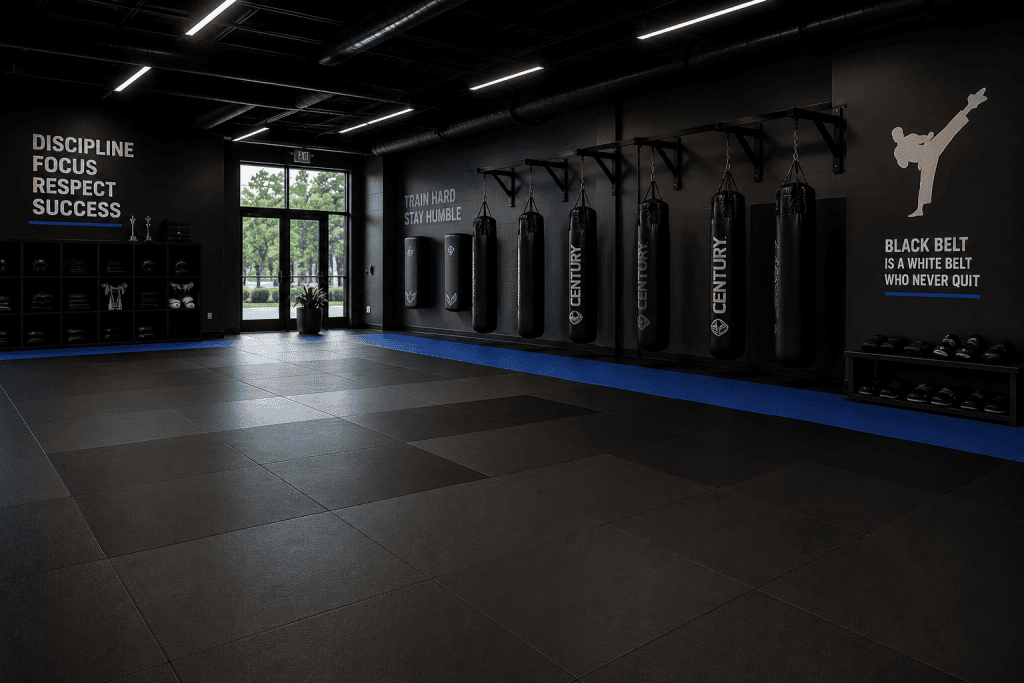
- Martial arts schools
- Wellness centers
- Sports performance facilities
- Rehabilitation-focused fitness centers
Each type of business has different equipment requirements, staffing needs, and operating costs.
Understanding Fitness Equipment Financing
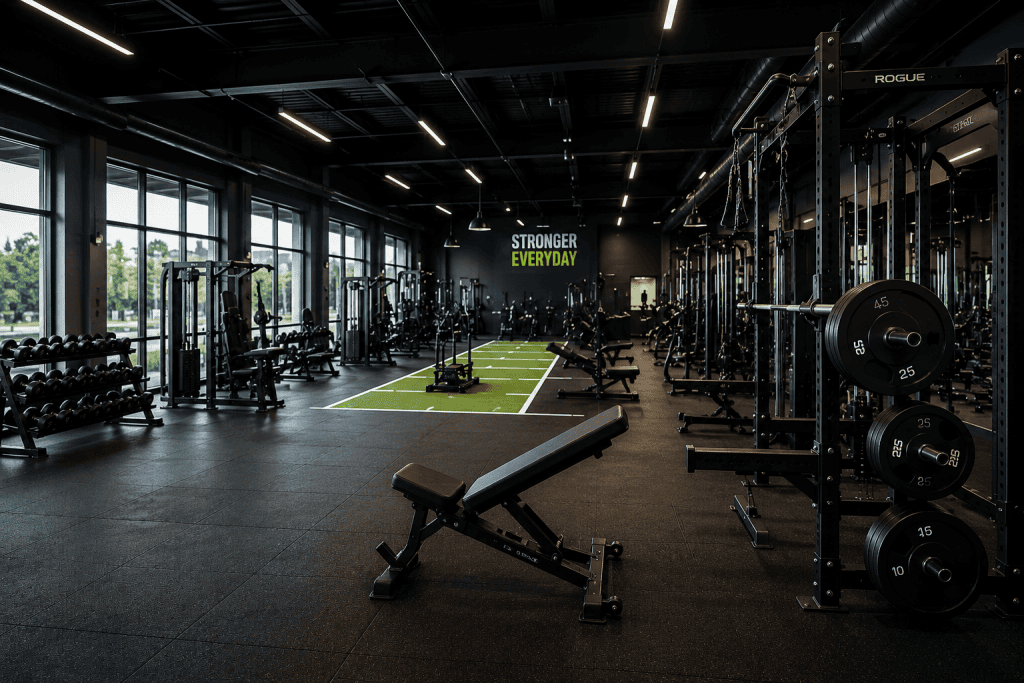
Commercial exercise equipment is often the largest single investment for a new fitness business. Fitness equipment financing may help business owners purchase professional-grade machines while preserving capital for payroll, marketing, and other operating expenses.
Equipment commonly financed includes:
Cardio Equipment
- Treadmills
- Ellipticals
- Indoor bikes
- Stair climbers
- Rowing machines
Strength Equipment
- Power racks
- Functional trainers
- Plate-loaded machines
- Smith machines
- Cable crossover systems
Free Weight Equipment
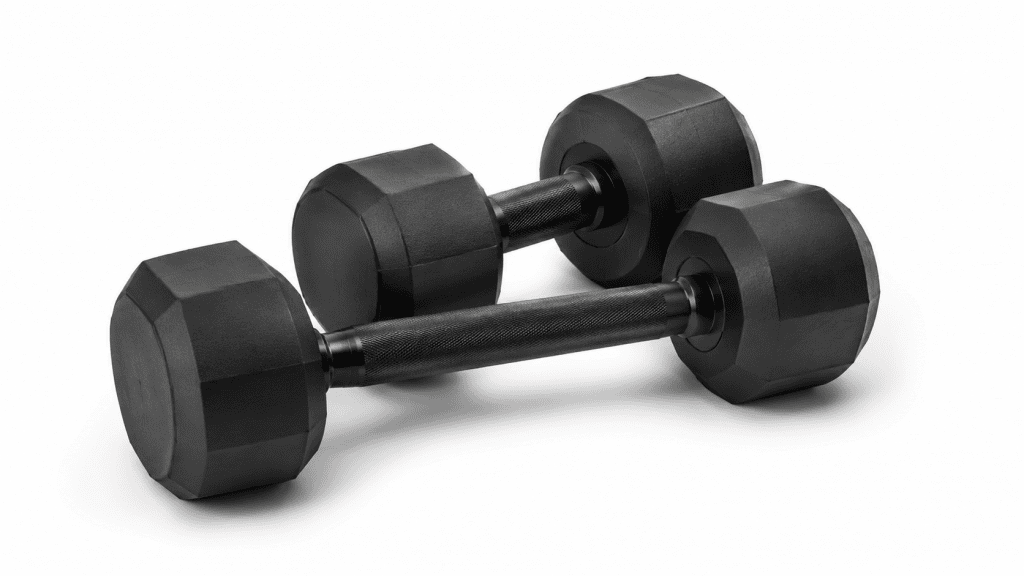
- Dumbbells
- Olympic barbells
- Weight plates
- Kettlebells
- Adjustable benches
Choosing commercial-grade equipment designed for continuous daily use can reduce maintenance costs and improve member satisfaction.
Using Fitness equipment financing responsibly allows owners to outfit an entire facility without using all available working capital during the startup phase.
Creating a Comprehensive Business Plan
Every successful fitness business should begin with a written business plan.
A complete plan generally includes:
- Executive summary
- Business description
- Target market
- Competitive analysis
- Revenue projections
- Expense forecasts
- Marketing strategy
- Equipment inventory
- Staffing plan
- Cash flow projections
A well-prepared business plan also helps identify the total amount of capital required before opening.
Selecting the Right Location
Location can significantly influence long-term business success.
Important considerations include:
- Population growth
- Nearby residential communities
- Household income
- Parking availability
- Accessibility
- Traffic counts
- Competition
- Visibility
- Nearby employers
Convenient, highly visible locations often improve membership growth and long-term retention.
Understanding Gym Equipment Loans
Many businesses require additional equipment after opening. As membership grows, owners frequently expand cardio areas, purchase additional strength equipment, or replace aging machines. Gym equipment loans may help finance these purchases without requiring large upfront cash expenditures.
Common equipment additions include:
- Additional treadmills
- Functional training rigs
- Cable systems
- Indoor cycling bikes
- Recovery equipment
- Selectorized strength machines
- Stretching stations
- Rowing machines
Equipment purchases should be based on member demand and realistic revenue projections rather than short-term trends.
Using Gym equipment loans strategically can help maintain a competitive facility while preserving funds for operating expenses.
Designing an Efficient Facility
Thoughtful facility design improves member experience and operational efficiency.
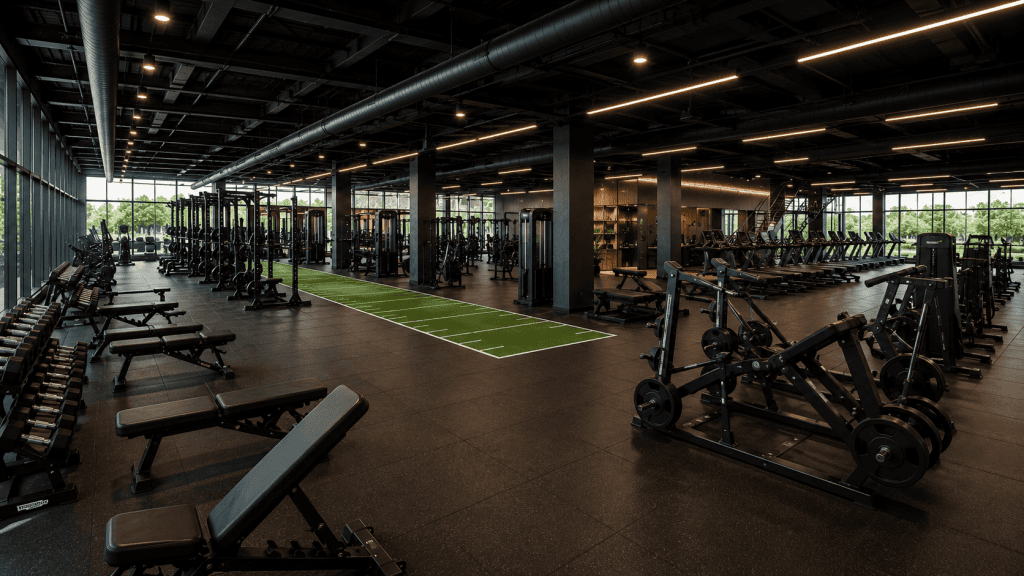
Many successful gyms include:
Strength Training Area
- Power racks
- Dumbbell stations
- Cable systems
- Plate-loaded equipment
Cardio Area
- Treadmills
- Ellipticals
- Bikes
- Rowers
Functional Training Zone
- Turf lanes
- Battle ropes
- Sleds
- Plyometric boxes
Member Amenities
- Locker rooms
- Reception area
- Retail section
- Stretching area
- Recovery room
Planning these spaces before construction or renovation helps maximize usable square footage.
Understanding Gym Acquisition Financing
Some entrepreneurs choose to purchase an existing fitness business rather than starting from the beginning. Gym acquisition financing may help qualified buyers purchase established gyms that already have members, employees, equipment, and operating systems.
Potential acquisition assets may include:
- Existing memberships
- Commercial equipment
- Furniture
- Lease rights
- Branding
- Website
- Operating procedures
- Vendor relationships
Acquiring an established business may reduce the time required to build a customer base, although careful due diligence remains essential.
Before pursuing Gym acquisition financing, buyers should carefully review financial records, membership trends, equipment condition, and facility maintenance history.
Marketing Before Opening
Marketing should begin long before opening day.
Successful strategies include:
- Professional website development
- Search engine optimization (SEO)
- Google Business Profile optimization
- Social media campaigns
- Community partnerships
- Referral programs
- Email newsletters
- Grand opening events
Building awareness before launch can help establish an initial membership base.
Technology Is Essential
Today’s fitness businesses rely on technology to improve efficiency.
Common systems include:
- Membership management software
- Mobile applications
- Automated billing
- Online scheduling
- Customer relationship management (CRM)
- Digital waivers
- Security systems
- Wi-Fi infrastructure
- Performance tracking
Integrating technology early often simplifies future expansion.
Planning for Future Financial Needs
Launching the business is only the beginning. As operations mature, owners often encounter seasonal revenue fluctuations, equipment replacement needs, and opportunities for expansion. During these stages, businesses may evaluate fitness business liquidity funding and health club operating capital to help manage operations and support long-term growth.
Preparing for these future needs during the planning stage helps create a stronger financial foundation.
Suggested Internal Links for GymYield.com
As your website grows, consider linking this article to related pages, including:
- Equipment Financing
- Gym Startup Loans
- Commercial Property Financing
- Working Capital Loans
- Gym Expansion Financing
- Fitness Equipment Leasing
- About Us
- Contact Us
- Advertising Disclosure
- Privacy Policy
- Terms and Conditions
Understanding Fitness Business Liquidity Funding
Even successful fitness businesses experience periods when expenses temporarily exceed incoming revenue. Seasonal membership fluctuations, equipment repairs, payroll, insurance premiums, and marketing campaigns all require dependable cash flow. Fitness business liquidity funding may help business owners manage these short-term operational needs while maintaining normal business activities.
Liquidity funding may be used for:
- Payroll
- Rent or lease payments
- Utilities
- Insurance premiums
- Marketing campaigns
- Software subscriptions
- Equipment maintenance
- Inventory purchases
- Cleaning supplies
- Seasonal operating expenses
Maintaining sufficient liquidity allows owners to focus on serving members rather than reacting to temporary cash flow challenges.
Before pursuing Fitness business liquidity funding, business owners should carefully review their projected revenue, monthly expenses, and repayment obligations.
Managing Cash Flow
Cash flow management remains one of the most important responsibilities for any fitness business owner.
Helpful financial practices include:
- Monitoring monthly recurring revenue
- Tracking membership retention
- Reviewing operating expenses
- Building emergency reserves
- Scheduling preventive maintenance
- Forecasting future capital needs
- Measuring marketing performance
- Managing seasonal trends
Businesses that consistently monitor financial performance are often better positioned to respond to changing market conditions.
Understanding Health Club Operating Capital
Daily operations require ongoing financial resources beyond the initial startup investment. Health club operating capital may help fitness businesses cover recurring expenses necessary to keep facilities operating efficiently.
Operating expenses commonly include:
- Employee payroll
- Utility bills
- Equipment servicing
- Cleaning services
- Insurance premiums
- Office supplies
- Software subscriptions
- Advertising
- Member amenities
- Inventory
Unlike construction or equipment purchases, operating capital focuses on supporting normal day-to-day business activities.
Using Health club operating capital strategically may help maintain business continuity while preserving long-term financial stability.
Planning Future Expansion
As membership grows, many fitness businesses begin evaluating opportunities for expansion.
Expansion projects may include:
- Additional workout space
- New strength-training equipment
- Expanded cardio areas
- Functional fitness zones
- Group exercise studios
- Recovery centers
- Personal training suites
- Childcare facilities
- Outdoor training areas
- Retail sections
Every expansion project should be supported by measurable member demand, realistic budgets, and operational readiness.
Technology Continues to Improve Operations
Technology has become essential to modern fitness businesses.
Common investments include:
- Membership management software
- Mobile applications
- Online scheduling
- Automated billing
- Customer relationship management (CRM)
- Digital waivers
- Security systems
- Access control
- Performance tracking
- Marketing automation
Technology should simplify operations while improving the member experience.
Hiring Outstanding Employees
Employees remain one of the most valuable assets within any fitness business.
Key positions often include:
- General manager
- Membership consultants
- Personal trainers
- Group fitness instructors
- Operations manager
- Front desk personnel
- Maintenance technicians
- Cleaning staff
Providing continuing education, competitive compensation, and a positive work environment can improve both employee retention and member satisfaction.
Illustrative Fitness Business Investment Allocation
The chart below shows one example of how a growing fitness business might allocate capital across major investment categories. This illustration is for educational purposes only and is not intended to represent industry averages.
Illustrative Fitness Business Investment Allocation
Example allocation of capital for launching or expanding a commercial fitness business.
Suggested Internal Links for GymYield.com
To strengthen your website’s SEO, consider linking this article to:
- Equipment Financing
- Gym Startup Loans
- Commercial Property Financing
- Working Capital Loans
- Gym Expansion Financing
- Fitness Equipment Leasing
- Business Acquisition Financing
- About Us
- Contact Us
- Advertising Disclosure
- Privacy Policy
- Terms and Conditions
These internal links help visitors discover related content while improving your site’s topical authority.
Helpful External Resources
For reliable information on business ownership and financing, consider these authoritative resources:
Conclusion
Building a successful fitness business requires more than purchasing exercise equipment. Long-term success depends on thoughtful planning, disciplined financial management, excellent customer service, and continuous investment in facilities and technology.
Fitness equipment financing can help entrepreneurs purchase professional-grade commercial exercise equipment without exhausting startup capital. Gym equipment loans provide opportunities to upgrade or expand equipment as membership grows, while gym acquisition financing may support the purchase of established fitness businesses with existing members and operations. As businesses mature, fitness business liquidity funding can help manage short-term operating needs, and health club operating capital provides resources for maintaining daily business operations and supporting sustainable growth.
Every financing decision should be based on careful planning, realistic financial projections, and a thorough understanding of repayment obligations. By combining quality equipment, experienced staff, efficient technology, and strong financial management, fitness business owners can create facilities that continue serving their communities while achieving long-term business success.