Fitness Center Building Loans: A Complete Guide to Starting and Growing a Modern Fitness Business
Launching a fitness business requires careful planning, financial preparation, and a clear vision for long-term success. Whether your goal is to open a neighborhood gym, a boutique wellness center, or a private personal training facility, startup expenses can quickly add up. Commercial property, construction, exercise equipment, technology, staffing, insurance, and marketing all require substantial investment before welcoming your first members.
Many entrepreneurs explore Fitness center building loans, Wellness center financing, and Fitness studio startup financing to help cover these expenses while preserving cash for operating costs during the early stages of business.
This guide explains the planning process, startup considerations, and financial strategies involved in building a successful fitness business.
Why the Fitness Industry Continues to Grow
Consumers today have more interest than ever in improving their health, fitness, and overall wellness. While business models continue to evolve, demand remains strong for professionally managed facilities offering quality equipment, knowledgeable instructors, and welcoming environments.
Popular fitness businesses include:
- Commercial gyms
- Boutique fitness studios
- Personal training facilities
- Wellness centers
- Yoga studios
- Pilates studios
- CrossFit gyms
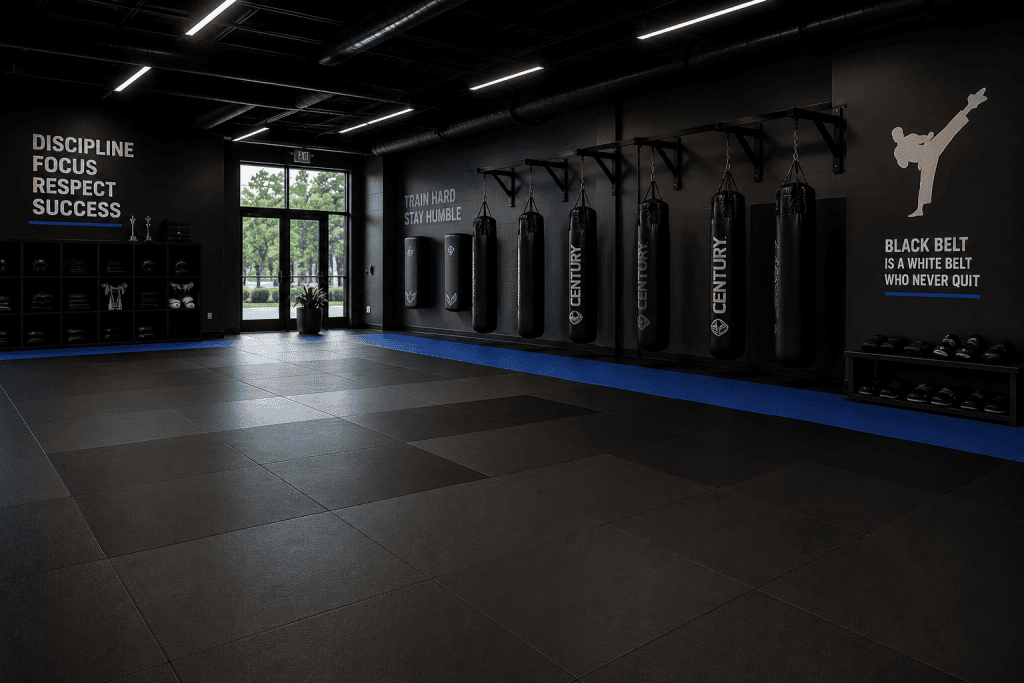
- Martial arts academies
- Recovery centers
- Athletic performance facilities
Each business type requires different startup investments, staffing, and operational planning.
Understanding Fitness Studio Startup Financing
Opening a new fitness studio involves numerous expenses long before members begin paying monthly dues. Fitness studio startup financing may help entrepreneurs purchase commercial equipment, renovate leased space, install technology, and prepare their business for opening day.
Common startup expenses include:
- Commercial flooring
- Mirrors
- Reception furniture
- Locker room improvements
- Sound systems
- Lighting
- Security systems
- Exercise equipment
- Office computers
- Point-of-sale systems
Many owners prefer opening with a complete, professionally equipped facility capable of delivering a high-quality member experience from the first day of operation.
Using Fitness studio startup financing responsibly can help preserve working capital while allowing the business to begin operations with commercial-grade equipment.
Creating a Comprehensive Business Plan
Every successful fitness business should begin with a written business plan.
A quality plan generally includes:
- Executive summary
- Business description
- Market research
- Competitive analysis
- Membership pricing
- Revenue projections
- Expense forecasts
- Marketing strategy
- Equipment inventory
- Staffing plan
- Cash flow projections
Developing a business plan helps owners better understand startup costs while providing a roadmap for future growth.
Selecting the Right Location
Location remains one of the most important decisions for any fitness business.
Factors to evaluate include:
- Population growth
- Household income
- Residential neighborhoods
- Parking availability
- Accessibility
- Traffic counts
- Nearby employers
- Competition
- Future development
Convenient locations often contribute to stronger member retention and long-term business stability.
Understanding Fitness Center Building Loans
Constructing a commercial fitness facility requires significant capital and detailed planning. Fitness center building loans may help qualified business owners finance construction projects that include commercial gyms, wellness centers, athletic performance facilities, and specialty training studios.
Construction projects commonly involve:
- Land preparation
- Foundations
- Structural framing
- Roofing
- Plumbing
- Electrical systems
- HVAC installation
- Commercial flooring
- Locker rooms
- Reception areas
- Parking lots
- Exterior signage
Business owners considering Fitness center building loans should work closely with architects, contractors, engineers, and legal professionals to develop realistic budgets before construction begins.
Designing an Efficient Facility
The layout of a fitness center affects both member satisfaction and operational efficiency.
Many successful facilities include:
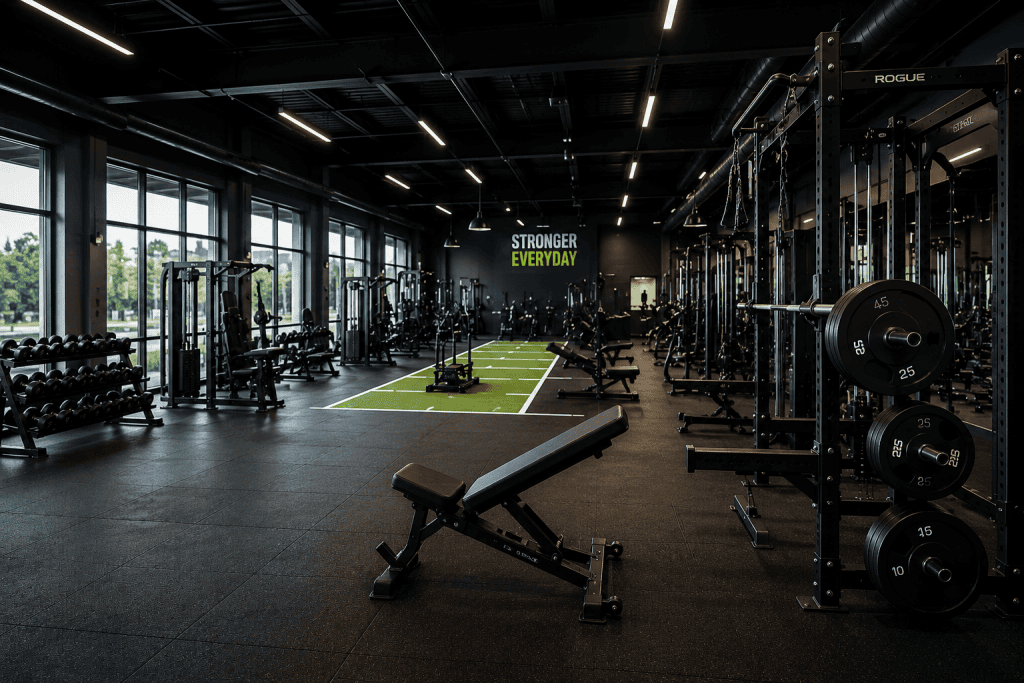
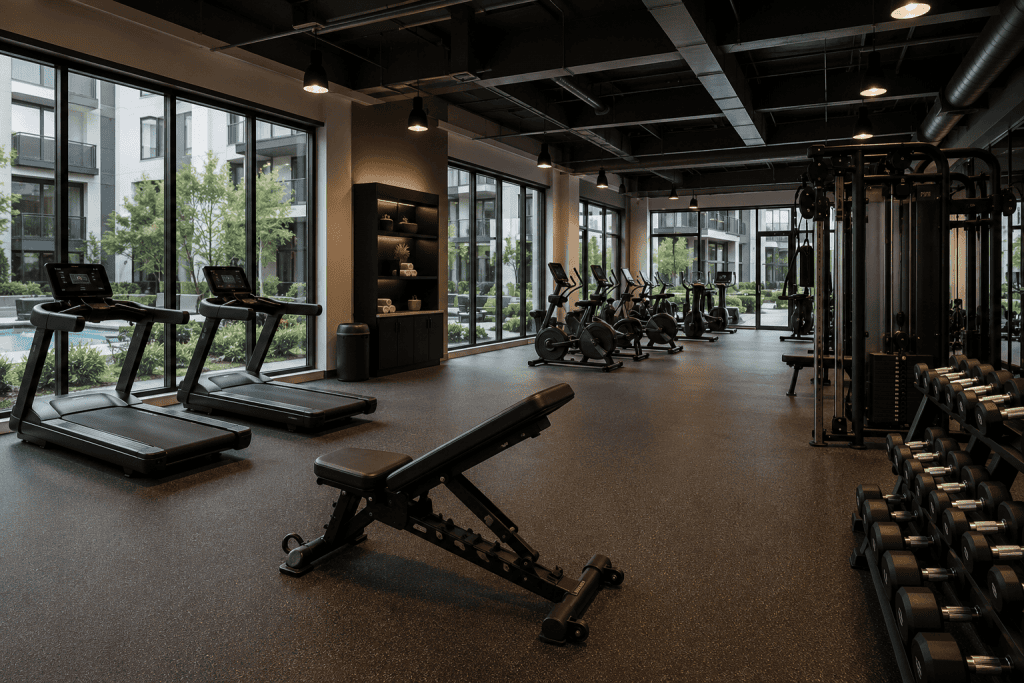
- Cardio equipment areas
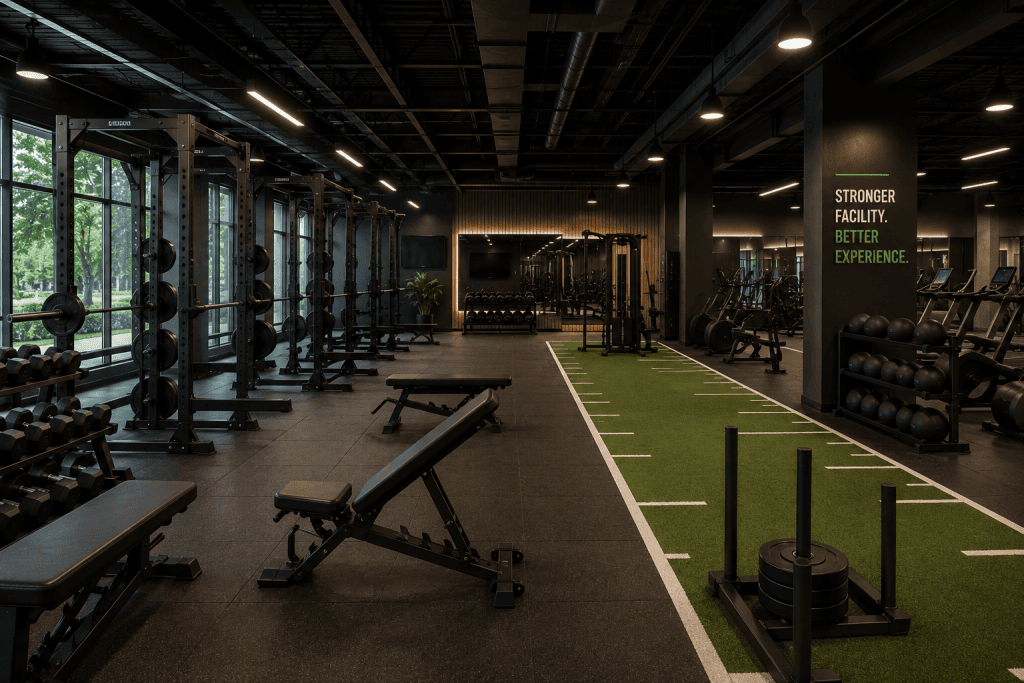
- Strength training sections
- Functional training zones
- Group fitness studios
- Stretching areas
- Recovery rooms
- Personal training spaces
- Retail areas
- Locker rooms
- Administrative offices
Efficient layouts improve traffic flow while allowing members to train comfortably and safely.
Understanding Wellness Center Financing
Wellness centers often provide services beyond traditional exercise programs. These businesses may combine fitness with recovery, nutrition, massage therapy, stretching services, or other wellness offerings. Wellness center financing may help owners develop facilities capable of supporting multiple health-focused services under one roof.
Common investments include:
- Recovery equipment
- Massage rooms
- Stretching studios
- Consultation offices
- Reception areas
- Retail space
- Nutrition counseling rooms
- Wellness technology
- Air purification systems
- Relaxation areas
Because wellness businesses frequently serve multiple customer needs, careful facility planning can improve both operational efficiency and the overall client experience.
Using Wellness center financing thoughtfully allows owners to create welcoming environments designed for long-term growth.
Purchasing Commercial Equipment
Commercial exercise equipment typically represents one of the largest startup investments.
Common purchases include:
Cardio Equipment
- Treadmills
- Ellipticals
- Stair climbers
- Indoor cycles
- Rowing machines
Strength Equipment
- Power racks
- Functional trainers
- Cable systems
- Smith machines
- Plate-loaded machines
Free Weight Equipment
- Dumbbells
- Barbells
- Olympic plates
- Kettlebells
- Adjustable benches
Commercial-grade equipment is generally designed for frequent daily use and may offer greater durability than residential alternatives.
Technology Is Essential
Modern fitness businesses rely heavily on technology.
Common systems include:
- Membership management software
- Mobile applications
- Automated billing
- Online scheduling
- Digital waivers
- Customer relationship management software
- Security systems
- Wi-Fi infrastructure
- Performance tracking
Integrating technology during construction or renovation often reduces future installation costs.
Marketing Before Opening
Marketing should begin several months before opening day.
Effective strategies include:
- Professional website development
- Search engine optimization (SEO)
- Google Business Profile optimization
- Social media marketing
- Community partnerships
- Referral incentives
- Email newsletters
- Grand opening promotions
Generating awareness before launch can help establish a strong initial membership base.
Planning for Personal Training Services
Many fitness businesses eventually expand beyond general memberships by offering individualized coaching. Dedicated personal training areas often require specialized equipment, private consultation space, and scheduling systems. As these services grow, some businesses evaluate Personal training facility financing to support future expansion and improvements while maintaining quality service for their clients.
Internal Resources for GymYield.com
As your website grows, consider linking this article to related pages, including:
- Gym Startup Loans
- Equipment Financing
- Commercial Property Financing
- Personal Training Business Loans
- Wellness Center Loans
- Gym Expansion Loans
- Working Capital for Fitness Businesses
- About Us
- Contact Us
- Advertising Disclosure
Understanding Personal Training Facility Financing
Personal training has become one of the fastest-growing segments of the fitness industry. Many consumers prefer individualized instruction tailored to their goals, making dedicated training facilities an attractive business opportunity. Personal training facility financing may help entrepreneurs build private training spaces, purchase specialized equipment, and create an environment designed for one-on-one coaching.
Typical investments include:
- Functional training rigs
- Adjustable benches
- Olympic barbells
- Dumbbells
- Cable machines
- Plyometric equipment
- Turf lanes
- Recovery equipment
- Consultation rooms
- Client assessment technology
A well-designed personal training facility allows coaches to deliver customized fitness programs while creating a more personalized client experience.
Using Personal training facility financing strategically can help business owners invest in professional equipment while maintaining healthy cash flow for operations.
Expanding a Successful Fitness Business
Growth often follows consistent member satisfaction and careful financial management.
Expansion opportunities may include:
- Additional workout areas
- New group fitness studios
- Recovery centers
- Childcare facilities
- Juice bars
- Outdoor training areas
- Additional locker rooms
- Retail merchandise
Every expansion project should be supported by market demand, realistic revenue projections, and operational readiness.
Understanding Gym Expansion Financing
Once a fitness business establishes a stable membership base, owners may begin planning additional locations or larger facilities. Gym expansion financing may help fund building additions, commercial equipment purchases, leasehold improvements, and other expansion-related investments.
Expansion projects frequently include:
- Facility renovations
- Additional cardio equipment
- Expanded strength-training areas
- Group fitness rooms
- Recovery suites
- Parking improvements
- Technology upgrades
- New member amenities
Business owners should carefully evaluate projected membership growth before committing to major expansion projects.
Before accepting Gym expansion financing, it is important to compare financing options, review repayment obligations, and ensure that projected revenue supports future payments.
Technology Continues to Drive Growth
Technology has become an important competitive advantage for modern fitness businesses.
Popular investments include:
- Membership management software
- Mobile applications
- Online scheduling
- Automated billing
- Customer relationship management systems
- Digital marketing platforms
- Security systems
- Performance tracking
- Access control
Technology should improve both operational efficiency and the member experience.
Managing Cash Flow
Successful businesses continually monitor their financial performance.
Helpful practices include:
- Tracking monthly revenue
- Monitoring member retention
- Reviewing operating expenses
- Scheduling equipment maintenance
- Building emergency reserves
- Forecasting future capital needs
- Managing seasonal fluctuations
Healthy cash flow supports long-term stability and prepares businesses for future opportunities.
Hiring Outstanding Employees
Employees are one of the most valuable investments a fitness business can make.
Important positions often include:
- General manager
- Personal trainers
- Group fitness instructors
- Membership consultants
- Front desk staff
- Maintenance personnel
- Cleaning staff
- Operations managers
Providing continuing education and maintaining a positive workplace culture can improve employee retention and member satisfaction.
Illustrative Fitness Business Investment Allocation
The following chart provides one example of how a fitness business might allocate funds during a startup or expansion project. This illustration is for educational purposes only and is not intended to represent industry averages.
Illustrative Fitness Business Investment Budget
Example allocation of capital across major startup and expansion categories.
Helpful Internal Links for GymYield.com
As your website expands, consider linking this article to:
- Equipment Financing
- Gym Startup Loans
- Wellness Center Financing
- Personal Training Business Loans
- Gym Expansion Loans
- Commercial Property Financing
- Working Capital for Fitness Businesses
- About Us
- Contact Us
- Advertising Disclosure
- Privacy Policy
- Terms and Conditions
Strong internal linking improves navigation while strengthening your website’s topical authority.
Helpful External Resources
For additional business guidance, visit these authoritative organizations:
Conclusion
Building a successful fitness business requires careful planning, responsible financial management, and a long-term commitment to serving members. Whether you’re constructing a new commercial gym, opening a wellness center, launching a boutique studio, or expanding an established operation, selecting financing that aligns with your business objectives is an important part of the process.
Fitness center building loans can help entrepreneurs construct commercial fitness facilities designed for long-term success. Wellness center financing supports businesses offering integrated health and wellness services, while Fitness studio startup financing provides resources for launching new studios with professional equipment and technology. As individualized coaching becomes increasingly popular, Personal training facility financing can help develop specialized training environments, and Gym expansion financing may provide capital for facility improvements, additional locations, and future growth.
Every financing decision should be made after carefully reviewing repayment terms, comparing available financing options, and ensuring that projected business revenue can reasonably support future obligations. With thoughtful planning, quality equipment, knowledgeable staff, and excellent customer service, fitness business owners can build facilities that continue to serve their communities and grow for years to come.