Financing Commercial Gym Equipment, Performance Training Centers, Advertising, and Fitness Franchise Acquisitions in 2026
Building or expanding a fitness business can require substantial capital. Commercial exercise machines, facility improvements, sports-performance equipment, technology, marketing, working capital, and acquisitions can each create different financing needs. The appropriate strategy depends on whether an entrepreneur is opening a new operation, expanding an established business, or purchasing an existing fitness center.
Owners should begin with a detailed budget rather than applying for the largest amount available. Equipment quotes, contractor estimates, marketing plans, financial statements, acquisition documents, and cash-flow projections can help determine how much capital a project actually requires.
This guide for GymYield.com explains several financing considerations for gym and fitness-business owners in 2026.
1. Purchasing Equipment for a Commercial Gym
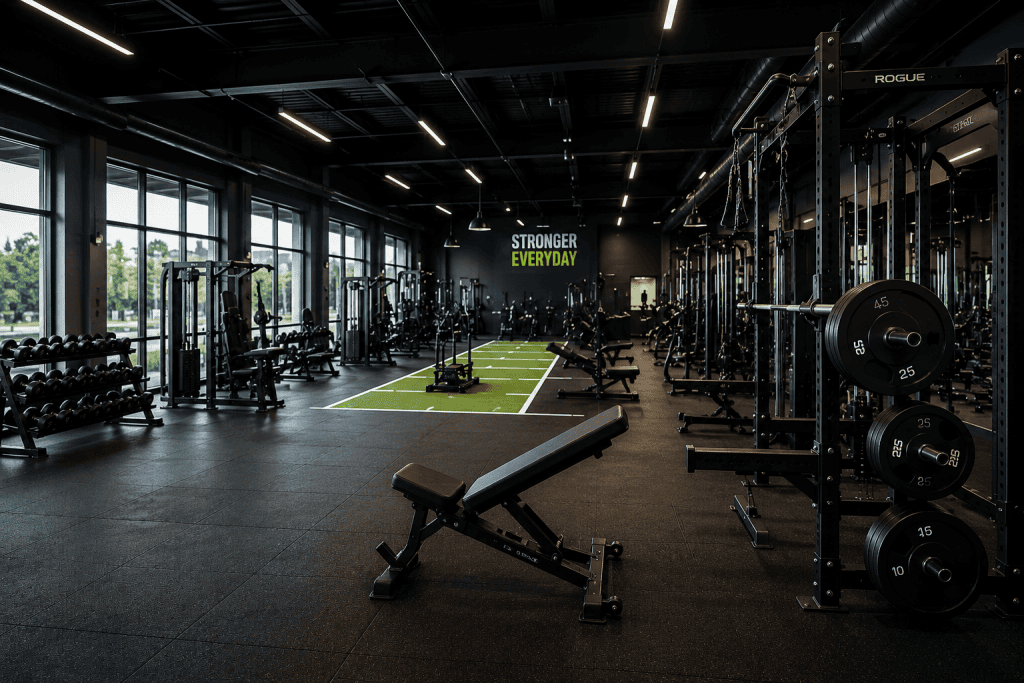
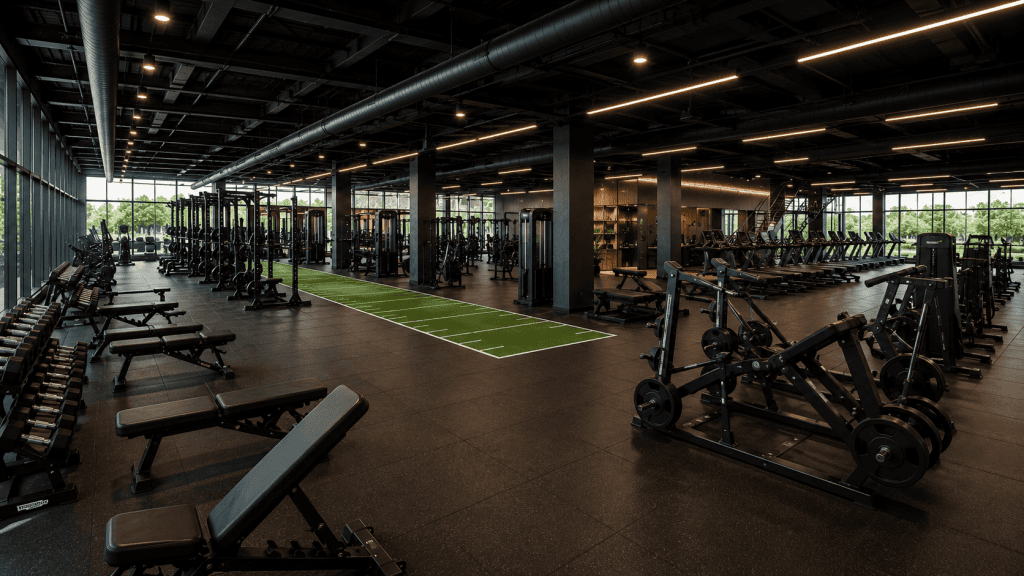
Owners considering financing commercial gym equipment should first create an itemized equipment list. A full-service facility might need treadmills, ellipticals, stationary bikes, rowing machines, power racks, cable systems, benches, dumbbells, selectorized machines, plate-loaded equipment, flooring, and accessories.
Operators developing sports-focused facilities may also investigate performance training center funding for eligible investments in turf, sleds, racks, timing technology, recovery equipment, specialized coaching areas, and other facility needs.
Equipment alone does not generate customers. Some businesses may investigate fitness advertising loans when they need eligible capital for marketing, although borrowing for advertising requires particular caution because campaign results are never guaranteed.
Entrepreneurs taking an acquisition route can research franchise fitness center acquisition funding when purchasing a franchised operation or completing another qualifying transaction. Franchise requirements, lender requirements, purchase terms, and borrower qualifications can all affect the financing structure.
The important principle is matching the financing structure to the investment. A long-lived piece of commercial equipment should be analyzed differently from a temporary advertising campaign.
2. Determining How Much Equipment Is Actually Needed
Before financing commercial gym equipment, owners should evaluate customer demand and facility capacity. Purchasing every available machine can unnecessarily increase debt while reducing valuable floor space.
With performance training center funding, equipment decisions should follow the facility’s programming. A center serving competitive athletes may prioritize racks, platforms, sprint lanes, turf, sleds, testing systems, and recovery areas rather than large quantities of traditional cardio machines.
Companies considering fitness advertising loans should develop marketing budgets with measurable objectives. Advertising expenses can be divided among search marketing, social campaigns, local promotions, direct outreach, referral initiatives, and other customer-acquisition strategies.
For buyers seeking franchise fitness center acquisition funding, due diligence should include an inventory of equipment being transferred with the business. Determine what is owned outright, leased, financed, damaged, obsolete, or approaching replacement.
A detailed asset inventory can prevent a buyer from overestimating the value of the equipment included in a transaction.
3. SBA Financing for Fitness Businesses
Businesses interested in financing commercial gym equipment can compare conventional equipment products with SBA-backed financing when appropriate. SBA loans are generally provided through participating lenders, with borrowers subject to program eligibility and lender underwriting.
The SBA 7(a) Loan Program permits several eligible business uses, including equipment, working capital, furniture, fixtures, real estate, and qualifying changes of ownership.
That flexibility may make the program worth researching for certain performance training center funding projects involving multiple categories of eligible expenses rather than only equipment.
Businesses considering fitness advertising loans should verify permitted uses with the financing provider before assuming that marketing expenditures qualify. The useful life of an advertising campaign should also be considered when evaluating the repayment period.
For entrepreneurs investigating franchise fitness center acquisition funding, the 7(a) program may be worth researching because qualifying changes of ownership can be eligible uses. A particular acquisition is not guaranteed to qualify simply because it involves an operating business.
Owners can also explore SBA Lender Match to learn about connecting with participating lenders.
4. Developing a Performance Training Facility
When financing commercial gym equipment for an athletic facility, owners should distinguish general fitness equipment from specialized performance assets. Equipment selection should follow the training programs that generate revenue.
A detailed performance training center funding budget could include construction, turf, strength equipment, sports-testing technology, office space, locker rooms, software, signage, marketing, and working capital.
Marketing remains important because even an impressive facility needs athletes and clients. fitness advertising loans may potentially provide eligible marketing capital, but owners should carefully evaluate whether borrowing for customer acquisition makes financial sense.
A buyer using franchise fitness center acquisition funding may acquire a facility that already has established equipment and members. However, existing infrastructure should be inspected rather than assumed to be in excellent condition.
Owners should also determine how the facility will earn revenue. Potential sources could include memberships, personal training, athletic coaching, team programs, camps, clinics, and facility rentals, depending on the business model.
5. Advertising and Customer Acquisition
Owners focused on financing commercial gym equipment should reserve enough cash for marketing and operations rather than spending every available dollar on machines. A beautifully equipped gym with insufficient customer acquisition can still struggle.
For facilities using performance training center funding, marketing may target specific customer groups such as youth athletes, adult clients, sports teams, personal-training customers, or performance-oriented members.
Businesses evaluating fitness advertising loans should track results beyond clicks and impressions. Leads, consultations, trials, conversions, customer acquisition costs, recurring revenue, and retention can provide a clearer picture of economic performance.
Entrepreneurs using franchise fitness center acquisition funding should understand the franchise system’s marketing requirements. Franchisees may have local marketing responsibilities in addition to required contributions to broader advertising programs.
Borrowed marketing capital should have a clear purpose and performance measurement system. Financing cannot make an ineffective advertising campaign profitable.
6. Illustrative $1 Million Fitness Project
Consider a hypothetical business financing commercial gym equipment as part of a $1 million commercial fitness project. Instead of viewing the project as one large expense, management can divide the budget into equipment, construction, working capital, technology, marketing, and reserves.
A significant portion of performance training center funding might be dedicated to specialized training infrastructure such as turf, strength equipment, performance testing systems, and facility improvements.
The company could allocate part of its capital plan toward marketing while evaluating whether fitness advertising loans or another financing structure is appropriate for those expenditures.
If the $1 million project involved purchasing an existing franchised business, franchise fitness center acquisition funding would require a different allocation because some value could relate to the existing operation rather than new construction.
Illustrative $1 Million Capital Allocation
| Category | Example Amount |
|---|
| Commercial fitness equipment | $275,000 |
| Construction and improvements | $225,000 |
| Working capital | $150,000 |
| Performance-training infrastructure | $110,000 |
| Technology and access systems | $70,000 |
| Marketing and customer acquisition | $60,000 |
| Professional fees | $40,000 |
| Contingency reserve | $70,000 |
| Total | $1,000,000 |
These figures are hypothetical and are not industry averages, actual financing offers, or recommended borrowing amounts. Real project costs depend on location, facility size, equipment choices, contractors, business model, and property condition.
7. Acquiring a Franchise Fitness Center
A buyer considering financing commercial gym equipment during an acquisition should determine whether equipment is included in the purchase price and whether any assets have outstanding financing obligations.
When performance training center funding is part of a post-acquisition plan, the buyer should include those improvements in the complete transaction budget. Buying the business and then discovering that another large capital investment is immediately necessary can create cash-flow problems.
Similarly, fitness advertising loans should not automatically be used to compensate for declining membership. Buyers should first understand why customer counts have fallen and whether the problem can realistically be solved through marketing.
Applicants researching franchise fitness center acquisition funding should carefully review historical financial statements, tax returns, bank statements, membership records, recurring revenue, payroll, leases, equipment, liabilities, franchise documents, and other material information with appropriate professionals.
The Federal Trade Commission’s Franchise Rule resources can provide additional information about federal franchise disclosure requirements. Buyers should obtain appropriate legal and financial advice when evaluating a franchise transaction.
8. Protecting Cash Flow After Financing
When financing commercial gym equipment, borrowers should consider how monthly or periodic payments affect operating cash. Preserving liquidity can be particularly important because machines may require maintenance while payroll, rent, utilities, insurance, and other expenses continue.
Businesses using performance training center funding should stress-test their projections. Calculate whether financing obligations remain manageable if membership or training revenue reaches only 70%, 80%, or 90% of projected levels.
With fitness advertising loans, conservative analysis becomes especially important because marketing results can vary. Owners should avoid treating projected advertising returns as guaranteed future revenue.
Buyers using franchise fitness center acquisition funding also need adequate post-closing working capital. Acquisition costs should not consume every available dollar and leave the new owner unable to address equipment repairs, employee changes, marketing, or temporary revenue fluctuations.
Maintaining a contingency reserve can provide a financial cushion when actual expenses differ from the original business plan.
9. Comparing Financing Offers
Owners interested in financing commercial gym equipment should compare more than monthly payments. Interest or financing costs, origination fees, repayment frequency, maturity, collateral requirements, guarantees where applicable, and prepayment provisions can materially change the economics.
Applicants seeking performance training center funding should also match financing duration with the expected useful life of the investment. Permanent improvements and durable equipment present different considerations from short-term operating expenses.
When evaluating fitness advertising loans, businesses should calculate the total repayment obligation and compare it with conservative estimates of customer value. Long repayment periods can be particularly questionable for short-lived marketing campaigns.
Applicants comparing franchise fitness center acquisition funding should evaluate the entire transaction rather than focusing exclusively on whether financing is available. Purchase price, franchise obligations, equipment condition, existing revenue, customer retention, lease terms, required renovations, and working-capital needs all affect economic viability.
The SBA Business Loans Overview provides additional information about SBA-backed financing programs for eligible small businesses.
Internal Linking Strategy for GymYield.com
This article can link directly to GymYield.com and your existing pages covering exercise equipment, startup capital, facility construction, working capital, acquisitions, franchises, expansion, commercial real estate, marketing, and athletic facilities.
Equipment-focused readers can move to your equipment-related pages, while entrepreneurs building specialized sports facilities can move toward construction and startup content. Prospective buyers can be directed toward acquisition resources, and established operators can move toward expansion and working-capital information.
Using descriptive internal anchor text helps visitors understand where each link leads while strengthening the site’s topical organization. I have avoided inventing individual GymYield URLs that I cannot verify.
Conclusion
Equipment, athletic-performance facilities, marketing, and franchise acquisitions represent very different uses of business capital. Owners should therefore avoid treating every financing need as interchangeable.
Before applying, create an itemized budget and collect relevant supporting information. Equipment projects should include vendor quotes. Construction projects should include contractor estimates. Marketing plans should include measurable acquisition objectives. Acquisitions require extensive financial, operational, contractual, and legal due diligence.
Borrowers should also maintain realistic cash-flow expectations. Additional machines do not automatically generate members, advertising does not guarantee profitable customers, and purchasing an established facility does not guarantee that historical revenue will continue.
When comparing financing, review the complete cost, payment schedule, maturity, collateral requirements, guarantees where applicable, eligible uses, prepayment provisions, and total repayment obligation. The objective should be obtaining capital that supports a viable business strategy without creating obligations the company cannot reasonably manage.
Disclosure: GymYield.com is an affiliate/marketing website and is not a lender or credit decision-maker. It may receive compensation from partners. Financing availability, approvals, rates, fees, amounts, and terms depend on individual providers and applicant qualifications. This article is educational and does not constitute financial, legal, tax, or accounting advice.