Financing Sports Training Facilities, Gym Remodeling, and Fitness Facility Purchases in 2026
Owning a fitness or sports-performance business can require substantial investment. Entrepreneurs may need capital for commercial property, renovations, strength equipment, indoor turf, conditioning equipment, locker rooms, technology, payroll, marketing, and working capital. Established operators may face an entirely different financial decision when purchasing an existing facility or remodeling an older location.
Financing should therefore begin with the purpose of the investment. Building an athletic-performance facility, remodeling an established gym, and purchasing an operating fitness business involve different costs, risks, and potential repayment structures. Owners should develop realistic budgets before approaching financing providers.
This guide for GymYield.com examines four important areas of financing for fitness and athletic businesses.
1. Financing a Sports Training Business
Entrepreneurs researching Sports training business loans should begin by defining exactly how their facility will generate revenue. A sports-performance operation might serve individual athletes, teams, schools, adult clients, youth programs, or specialized training groups. Revenue could come from memberships, coaching packages, camps, clinics, team contracts, or facility rentals.
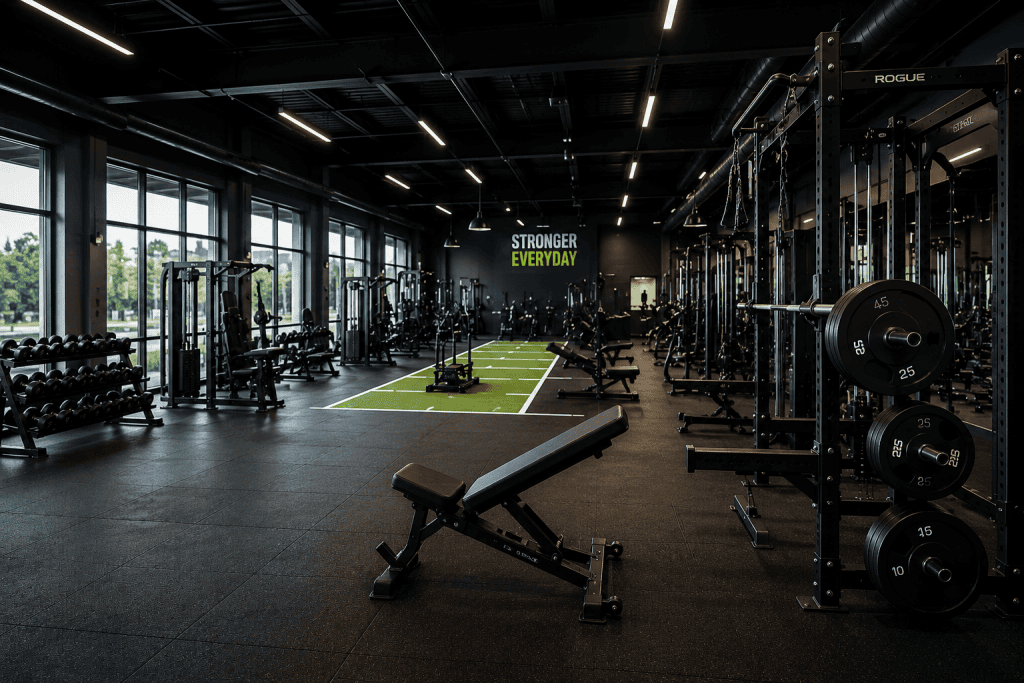
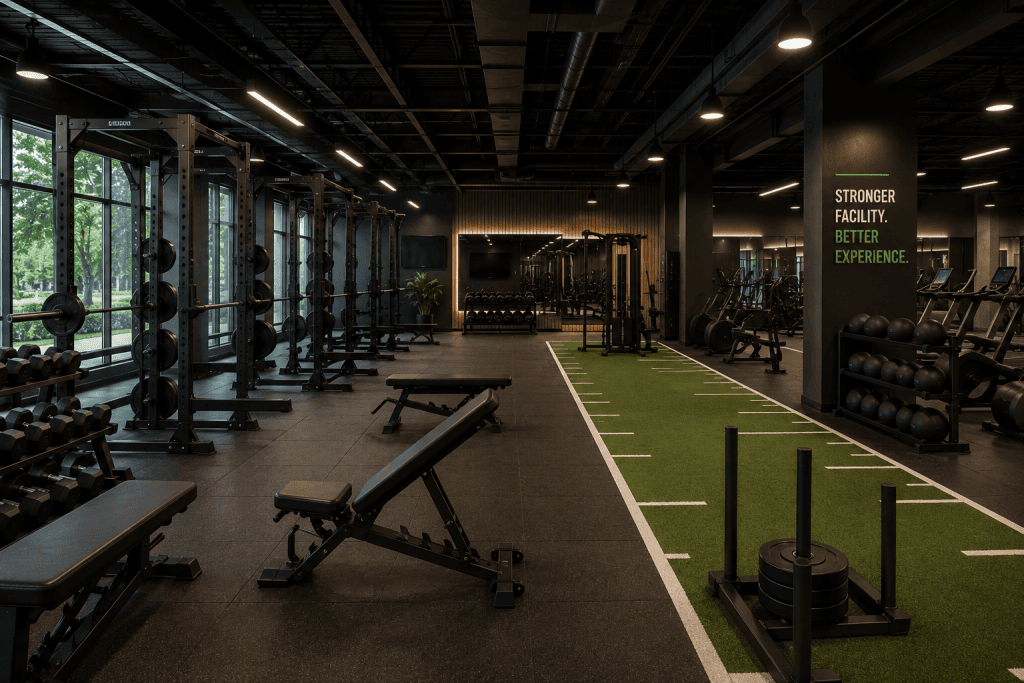
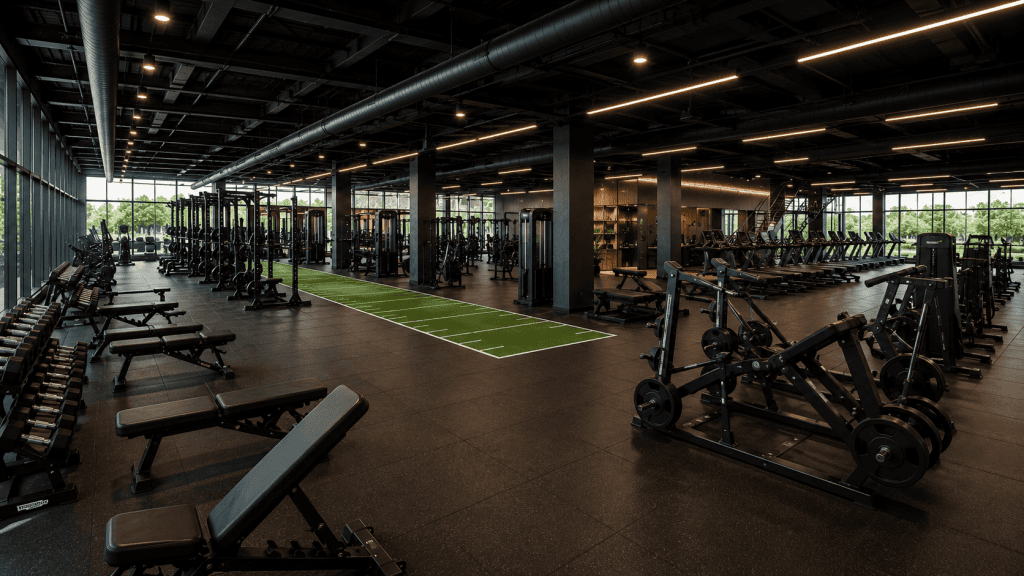
Businesses seeking athletic conditioning facility financing should develop a complete equipment and construction plan. Indoor turf, sprint lanes, sleds, racks, platforms, free weights, timing technology, cardio machines, recovery equipment, and locker facilities can create substantial startup costs.
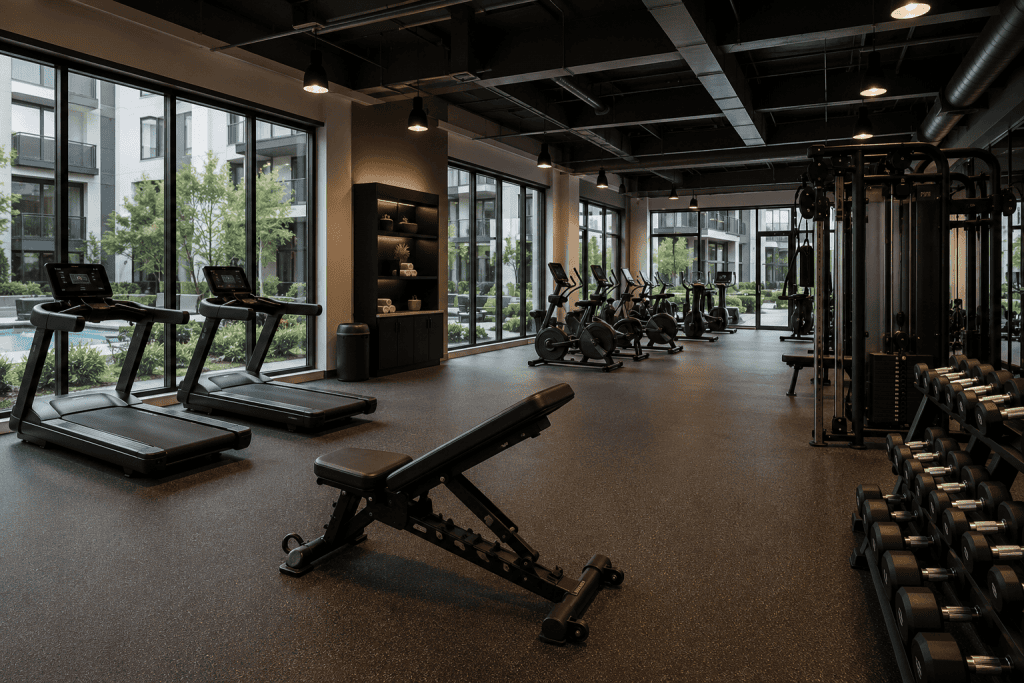
Existing owners considering fitness center remodeling financing should determine whether renovations solve measurable problems. Worn flooring, outdated locker rooms, inadequate lighting, inefficient layouts, or aging building systems may justify investment more clearly than purely cosmetic changes.
Entrepreneurs investigating fitness facility purchase financing should determine whether buying an existing operation provides better economics than building a new facility. Existing customers and infrastructure can have value, but only after proper due diligence verifies their condition and financial performance.
2. Creating a Complete Facility Budget
Before applying for Sports training business loans, owners should obtain actual estimates for the major project components. Contractor bids, equipment quotes, lease information, insurance estimates, technology costs, and marketing budgets provide stronger planning numbers than generalized online estimates.
A budget for athletic conditioning facility financing can separate construction from equipment. This helps owners determine which investments have long useful lives and which expenses may need a different financing approach.
With fitness center remodeling financing, a contingency reserve can be especially important. Renovations sometimes reveal electrical, plumbing, HVAC, structural, or accessibility issues that were not obvious before construction started.
Buyers considering fitness facility purchase financing should also budget beyond the negotiated acquisition price. Legal services, accounting, valuation work, deposits, equipment replacement, renovations, working capital, and post-acquisition marketing can increase the total capital requirement.
A detailed sources-and-uses statement gives owners a clearer understanding of how much outside financing is actually necessary.
3. Exploring SBA Financing Programs
Businesses researching Sports training business loans can compare conventional commercial financing with SBA-backed programs where appropriate. SBA financing is generally made through participating lenders, and individual borrowers remain subject to eligibility requirements and lender underwriting.
The SBA 7(a) Loan Program can support eligible uses that include working capital, machinery and equipment, furniture and fixtures, real estate, and qualifying changes of ownership.
That flexibility can make the program worth investigating for certain athletic conditioning facility financing projects involving several categories of business expenses.
Companies evaluating fitness center remodeling financing can also research SBA programs when a project involves qualifying business improvements or fixed assets.
For qualified buyers considering fitness facility purchase financing, SBA-backed financing may be relevant because qualifying changes of ownership can be eligible under the 7(a) program. Eligibility is not automatic, and a particular transaction must satisfy applicable requirements.
Owners can also explore SBA Lender Match to learn about connecting with participating lenders.
4. Developing an Athletic Conditioning Center
When using Sports training business loans, equipment selection should follow the programs the company intends to sell. A facility focused on football or soccer performance may have different requirements from a baseball development center or general strength-and-conditioning business.
With athletic conditioning facility financing, owners might allocate capital toward turf, racks, weightlifting platforms, sleds, resistance equipment, speed-development tools, testing systems, and other assets directly related to the training model.
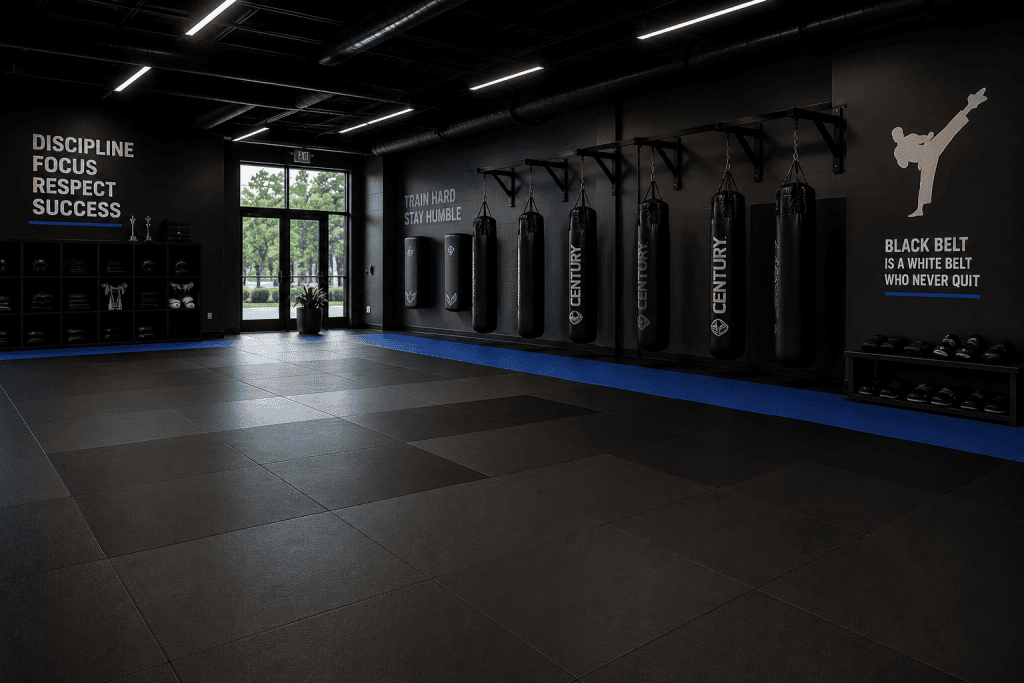
Businesses considering fitness center remodeling financing can use renovations to create dedicated athletic areas inside an existing gym. Reconfiguring underused space into functional training areas may sometimes provide additional capacity without requiring an entirely new building.
Entrepreneurs pursuing fitness facility purchase financing should inspect the acquired property’s layout before closing. A facility that works well as a conventional health club may require substantial modification before it can support sports-performance programming.
Owners should calculate the total conversion cost rather than assuming the existing property will immediately satisfy their intended business model.
5. Remodeling an Existing Fitness Center
Established businesses seeking Sports training business loans may use eligible capital to add sports-performance services to a traditional gym, depending on the financing provider. New programming can require equipment, employees, technology, and facility changes.
Owners using athletic conditioning facility financing for expansion should examine whether existing members or local athletes demonstrate sufficient demand. Building specialized space before validating demand can create unnecessary fixed expenses.
With fitness center remodeling financing, businesses can prioritize projects according to urgency and expected benefit. Safety-related repairs, worn equipment areas, ventilation, flooring, bathrooms, locker rooms, and accessibility improvements may deserve priority over decorative changes.
When fitness facility purchase financing is used to acquire an older gym, renovation costs should ideally be identified before the transaction closes. Buyers should inspect major building systems and commercial exercise equipment rather than relying exclusively on the seller’s representations.
A lower purchase price does not necessarily represent a bargain if substantial capital improvements are required immediately after closing.
6. Illustrative $1 Million Project Budget
Consider a hypothetical entrepreneur using Sports training business loans as part of a $1 million sports and fitness project. Management could divide the project among property improvements, commercial equipment, specialized training infrastructure, working capital, technology, marketing, and contingency reserves.
A substantial portion of athletic conditioning facility financing could potentially support eligible performance-related assets such as turf, racks, conditioning equipment, and training technology.
If the company is modernizing an existing property, fitness center remodeling financing could represent a larger share of the capital requirement than it would for a facility already in excellent condition.
Alternatively, a buyer evaluating fitness facility purchase financing might allocate much of the investment to the acquisition itself and reduce the amount required for construction.
Illustrative Capital Allocation
| Project Category | Example Amount |
|---|
| Facility purchase/build-out | $300,000 |
| Commercial fitness equipment | $210,000 |
| Athletic training infrastructure | $150,000 |
| Working capital reserve | $125,000 |
| Remodeling and facility systems | $85,000 |
| Technology | $45,000 |
| Marketing | $35,000 |
| Contingency and professional fees | $50,000 |
| Total | $1,000,000 |
Example Project Graph
The figures above are hypothetical examples only. They are not industry averages, actual financing offers, or recommended borrowing amounts. Real expenses vary according to location, property condition, square footage, contractors, equipment, and business model.
7. Purchasing an Existing Fitness Facility
Entrepreneurs evaluating Sports training business loans should compare the economics of starting from scratch with acquiring an operating company. An acquisition can potentially provide immediate infrastructure, but the value of that infrastructure needs to be verified.
For buyers who intend to convert an existing business into a performance operation, athletic conditioning facility financing may potentially be needed after closing for specialized equipment and facility modifications.
An acquisition can also create an immediate need for fitness center remodeling financing when flooring, locker rooms, equipment areas, lighting, HVAC systems, or the customer-facing portions of the property are outdated.
Applicants researching fitness facility purchase financing should perform detailed due diligence. Financial statements, tax returns, bank records, membership information, recurring revenue, cancellation trends, payroll, leases, equipment ownership, liabilities, vendor contracts, and other material records should be reviewed with appropriate professionals.
A buyer should understand what is being purchased rather than relying solely on reported revenue or the appearance of the facility.
8. Protecting Cash Flow During Growth
Businesses using Sports training business loans should maintain enough liquidity to cover normal operations after completing the project. Financing a beautiful facility while leaving insufficient cash for payroll, insurance, utilities, rent, maintenance, and marketing can create serious problems.
Applicants for athletic conditioning facility financing should build conservative revenue projections. Sports programs can experience seasonal changes, and team or school contracts should not be treated as guaranteed until properly secured.
With fitness center remodeling financing, owners should also estimate whether construction will temporarily reduce operating capacity. Closing locker rooms, training areas, or sections of the gym can potentially affect membership satisfaction and revenue.
Buyers using fitness facility purchase financing need adequate post-closing working capital. Unexpected repairs, employee turnover, equipment failures, customer cancellations, and marketing needs can emerge soon after ownership changes.
Stress-testing projected cash flow at lower revenue levels can help owners understand whether the business could continue meeting its obligations during a difficult period.
9. Comparing Financing Offers
When evaluating Sports training business loans, borrowers should compare the complete economics of each offer. Interest or financing costs, origination charges, payment frequency, maturity, collateral requirements, guarantees where applicable, and prepayment provisions can materially affect the final cost.
Owners researching athletic conditioning facility financing should match repayment periods with the expected useful life of the investment. Durable equipment and permanent facility improvements should be analyzed differently from short-term expenses.
Businesses considering fitness center remodeling financing should confirm which renovation expenses are eligible under the particular financing product. Approval for a certain amount does not automatically mean every proposed expenditure is permitted.
For fitness facility purchase financing, buyers should compare financing terms alongside the economics of the acquisition itself. A favorable loan cannot transform an overpriced or poorly performing business into a sound investment.
The SBA Business Loans Overview provides additional information about SBA-backed programs. Business owners considering real estate or qualifying major fixed assets can also review the SBA 504 Loan Program.
Internal Linking Strategy for GymYield.com
This article can link directly to GymYield.com and your existing content covering commercial fitness equipment, athletic facilities, construction, renovations, acquisitions, working capital, startup costs, and commercial real estate.
For SEO structure, readers interested in opening a sports-performance operation can move toward your startup and equipment pages. Existing gym owners can move toward remodeling and expansion resources, while prospective buyers can move toward acquisition and commercial-property content.
You can also link this article to your primary financing or application page using descriptive anchor text related to obtaining capital for a fitness business. I have avoided inventing individual page URLs that I cannot verify.
Conclusion
Sports-performance centers and traditional fitness businesses can require significant capital, but the appropriate financing strategy depends on the project. Equipment purchases, facility improvements, remodeling, property acquisition, and working capital have different financial characteristics and should not automatically be placed under the same financing structure.
Before applying, owners should obtain contractor bids, commercial equipment proposals, property information, technology estimates, insurance costs, and realistic operating projections. Acquisition projects require additional due diligence, including careful review of financial records, memberships, leases, equipment ownership, liabilities, and the physical condition of the facility.
Maintaining liquidity is equally important. Construction overruns, equipment repairs, membership fluctuations, and slower-than-expected growth can occur even when the original business plan is reasonable.
Before accepting an offer, compare financing costs, fees, payment frequency, maturity, collateral requirements, guarantees where applicable, eligible uses, prepayment provisions, and total repayment obligations. The purpose of financing should be to support a viable business investment under manageable terms—not simply to maximize the amount borrowed.
Disclosure: GymYield.com is an affiliate/marketing website and is not a lender or credit decision-maker. It may receive compensation from partners. Financing availability, approvals, rates, fees, amounts, and repayment terms depend on individual providers and applicant qualifications. This article is educational and does not constitute financial, legal, accounting, or tax advice.