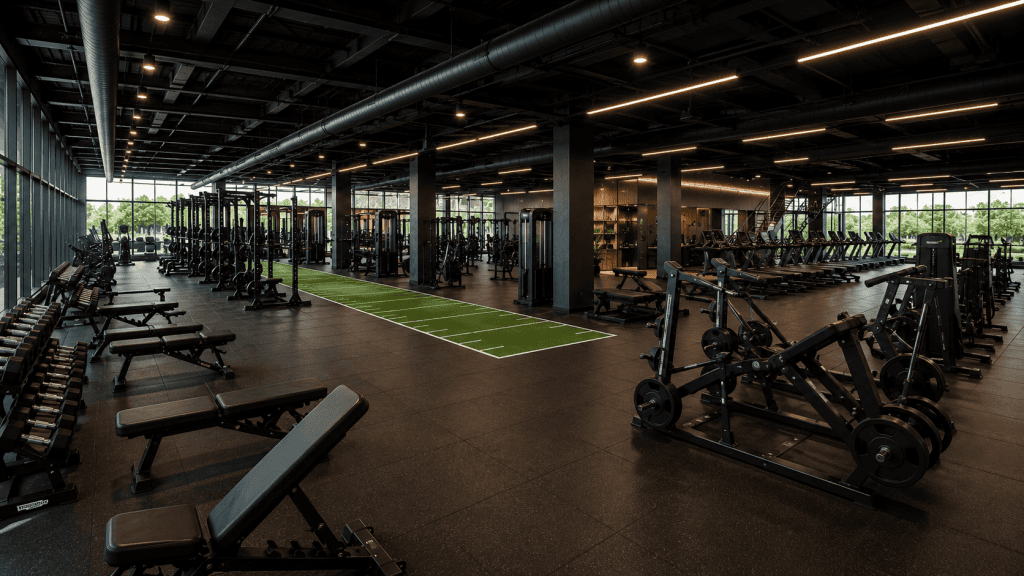
Sports Performance Center Financing: The Complete Guide to Funding Growth for Modern Fitness Businesses
Athletic training facilities, commercial gyms, and fitness franchises require significant investments to remain competitive. Whether you operate a sports academy, a health club, or multiple franchise locations, growth often depends on having access to capital for property, equipment, staffing, and operating expenses.
This guide explains the financing options available to fitness business owners, how lenders evaluate applications, and what you should know before expanding your operation. It also covers the costs associated with owning a sports performance facility and provides practical planning tips for long-term success.
Table of Contents
- The Growing Fitness Industry
- Understanding sports performance center financing
- Typical Costs of Operating a Performance Center
- When to Consider health club property financing
- Building a Long-Term Expansion Strategy
- Financing Cost Comparison Graph
- Preparing for a Financing Application
- Suggested Internal Links
- Helpful External Resources
The Growing Fitness Industry
Fitness has evolved well beyond traditional weight rooms. Today’s consumers often seek facilities that combine:
- Strength training
- Athletic performance coaching
- Speed development
- Sports rehabilitation
- Functional movement
- Recovery services
- Nutrition coaching
- Youth athlete development
Many successful facilities serve multiple customer groups, including:
- High school athletes
- College athletes
- Professional athletes
- Adults seeking general fitness
- Seniors
- Personal training clients
- Youth sports teams
Diversifying services can help stabilize revenue throughout the year while reducing dependence on a single membership model.
Understanding sports performance center financing
sports performance center financing helps owners obtain funding for facilities that specialize in athletic development, sports training, and performance improvement.
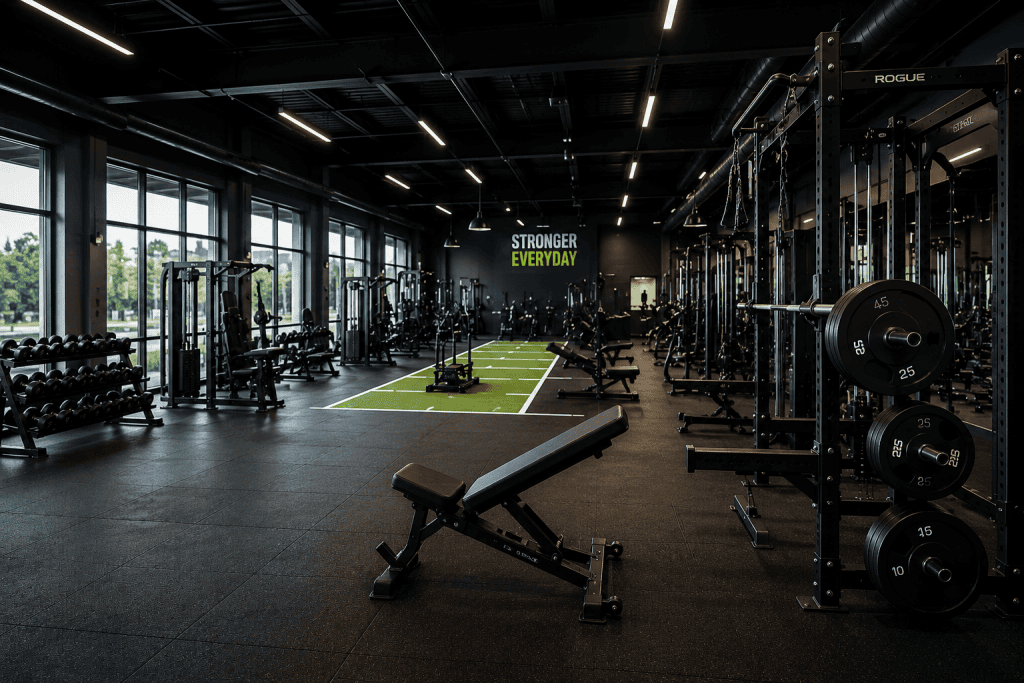
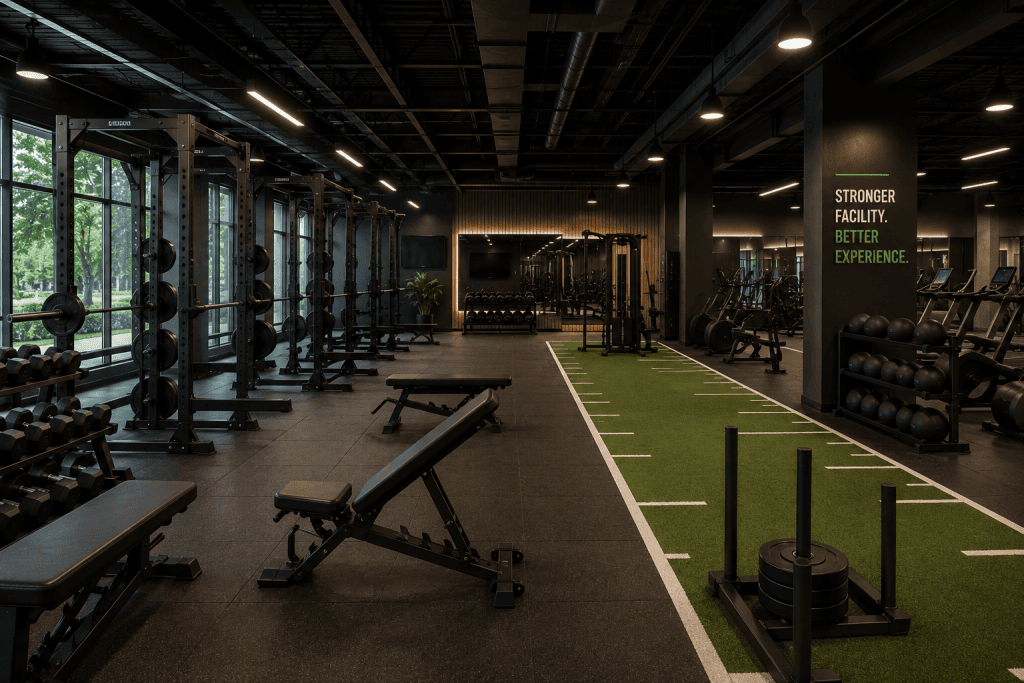
Unlike a traditional commercial gym, performance centers often include specialized equipment such as:
- Sprint tracks
- Turf training areas
- Olympic lifting platforms
- Plyometric systems
- Agility lanes
- Timing gates
- Force plates
- Recovery equipment
- Video analysis systems
These facilities may also include classrooms, sports medicine offices, locker rooms, and nutrition consultation spaces.
Financing allows owners to spread the cost of these investments over time instead of paying for everything upfront.
What Does a Sports Performance Center Cost?
Costs vary significantly depending on location, square footage, and equipment selection.
Typical expenses may include:
| Category | Example Investment |
|---|
| Commercial Lease Improvements | $100,000–$500,000+ |
| Strength Equipment | $75,000–$300,000+ |
| Turf Installation | $20,000–$100,000+ |
| Sprint Timing Systems | $5,000–$40,000+ |
| Recovery Equipment | $15,000–$150,000+ |
| Office & Reception | $10,000–$75,000+ |
| Technology Systems | $10,000–$100,000+ |
Actual costs depend on facility size, local labor rates, equipment manufacturers, and the scope of the project.
Financing Investment Categories
The chart below illustrates an example distribution of investment categories for a modern sports performance facility.
Example Investment Categories for a Sports Performance Center
Illustrative example of how startup or expansion costs may be allocated. Actual costs vary by project.
When health club property financing Makes Sense
Buying or renovating commercial property represents one of the largest investments many gym owners will make.
health club property financing may be appropriate when a business plans to:
- Purchase an existing gym building
- Construct a new facility
- Expand into adjoining commercial space
- Renovate an aging health club
- Improve accessibility
- Add locker rooms
- Build recovery areas
- Increase parking capacity
Owning commercial real estate may provide long-term stability compared with leasing, although it also introduces additional responsibilities such as property maintenance, insurance, and taxes.
Purchasing Versus Leasing
Both ownership and leasing have advantages.
Purchasing
Potential benefits include:
- Building equity over time
- Greater control over renovations
- Long-term occupancy stability
- Potential property appreciation
Potential drawbacks include:
- Larger upfront capital requirements
- Property maintenance responsibilities
- Reduced flexibility if the business relocates
Leasing
Potential advantages include:
- Lower upfront costs
- Easier relocation
- Less responsibility for structural maintenance
Potential disadvantages include:
- Rent increases
- Limited renovation flexibility
- No equity accumulation
The appropriate option depends on business goals, available capital, and local real estate conditions.
Planning for Growth
Many successful fitness businesses develop multi-year growth plans.
Expansion often includes:
- Additional equipment
- New training programs
- Increased staffing
- Marketing campaigns
- Technology upgrades
- Additional locations
Some owners pursue gym franchise growth capital when preparing to scale operations beyond a single location. Careful financial planning can help determine whether projected revenue supports future expansion.
Preparing Your Business for Financing
Before submitting a financing application, owners should organize important business information.
Common documents include:
- Business tax returns
- Profit and loss statements
- Balance sheets
- Business bank statements
- Ownership documents
- Equipment quotes
- Commercial lease agreements
- Business plans
Having complete documentation can help streamline the application process.
Financial Metrics Lenders Often Review
Although every lender has different underwriting standards, they commonly evaluate:
Revenue History
Consistent revenue may demonstrate operational stability.
Cash Flow
Positive cash flow can indicate the business’s ability to meet ongoing financial obligations.
Credit Profile
Some financing products consider both business and personal credit histories.
Existing Debt
Lenders frequently review outstanding obligations to better understand the company’s financial position.
Internal Link Suggestions
Consider linking this article to related pages on your website:
- Home
- About Us
- Contact Us
- Gym Equipment Financing
- Working Capital
- Business Line of Credit
- Commercial Fitness Equipment
- Franchise Financing
- Equipment Leasing
Helpful External Resources
For additional information, readers may find these organizations useful:
Managing Daily Operations with gym cash flow financing
Even profitable fitness businesses can experience periods where expenses arrive before revenue. Membership dues may fluctuate seasonally, equipment repairs can occur unexpectedly, and payroll obligations remain consistent regardless of monthly attendance.
This is where gym cash flow financing can help support ongoing operations by providing working capital during periods of uneven cash flow.
Common uses include:
- Payroll
- Utility expenses
- Marketing campaigns
- Insurance premiums
- Equipment maintenance
- Inventory purchases
- Software subscriptions
- Emergency repairs
Working capital financing should generally support short-term operational needs rather than long-term capital improvements.
Seasonal Revenue Patterns
Many gyms experience predictable business cycles.
January through March
Often the busiest period due to New Year’s fitness resolutions.
Common trends:
- Increased memberships
- Higher personal training demand
- Equipment utilization increases
- Greater retail sales
Summer Months
Some facilities experience slower membership growth as vacations and outdoor activities compete for attention.
Owners often use slower periods to:
- Renovate
- Upgrade equipment
- Train staff
- Perform maintenance
- Refresh marketing materials
Understanding these seasonal patterns helps owners forecast future cash needs more accurately.
Expanding Through gym franchise loans
Franchise ownership continues to be a popular way to enter the fitness industry.
Many franchise systems provide:
- Established branding
- Marketing support
- Operational procedures
- Vendor relationships
- Staff training
- Technology platforms
gym franchise loans may be used for projects such as:
- Opening a new franchise location
- Purchasing an existing franchise
- Remodeling an existing club
- Purchasing commercial equipment
- Expanding into neighboring territories
Each franchise system has unique investment requirements, so prospective owners should carefully review franchise disclosure documents before committing to an expansion.
Building Multiple Locations
Growing beyond one facility introduces additional management responsibilities.
Expansion often requires:
- Regional managers
- Additional trainers
- Human resources
- Accounting support
- Centralized marketing
- Technology integration
Some owners use gym franchise growth capital to finance multiple locations while maintaining sufficient operating reserves for each facility.
Successful multi-location businesses typically emphasize standardized operations and consistent customer experiences across every club.
Choosing the Right Facility
Not every building is suitable for a commercial gym or performance center.
Important considerations include:
Ceiling Height
Higher ceilings accommodate:
- Functional training rigs
- Rope climbing
- Athletic performance equipment
Parking
Adequate parking improves member convenience during peak hours.
Accessibility
Facilities should be designed to accommodate members with varying mobility needs and comply with applicable accessibility requirements.
Utility Capacity
Large gyms often require significant electrical service for:
- HVAC systems
- Lighting
- Cardio equipment
- Recovery equipment
- Security systems
Risk Management
Before making major investments, owners should evaluate potential risks.
Membership Retention
Growing membership numbers are important, but retaining existing members often has an even greater impact on long-term profitability.
Equipment Maintenance
Commercial fitness equipment benefits from scheduled preventive maintenance.
Maintenance planning may reduce downtime while extending equipment life.
Insurance
Fitness businesses commonly evaluate insurance coverage for:
- General liability
- Property
- Workers’ compensation
- Professional liability (where applicable)
- Cybersecurity
Coverage needs vary based on the services offered and the business structure.
Developing a Five-Year Growth Plan
A structured expansion strategy may help owners prioritize investments.
Example roadmap:
| Year | Primary Objective |
|---|
| Year 1 | Upgrade equipment and improve member retention |
| Year 2 | Expand performance training services |
| Year 3 | Renovate property and recovery areas |
| Year 4 | Evaluate second location opportunities |
| Year 5 | Expand into additional regional markets |
Every business should tailor its plan to its own goals, finances, and local market conditions.
Frequently Asked Questions
How much does it cost to build a sports performance center?
Costs vary widely depending on building size, location, equipment selection, tenant improvements, and local construction costs. Projects can range from modest facilities to multi-million-dollar complexes.
Should I own or lease my gym property?
Both approaches have advantages. Ownership may provide long-term stability and equity, while leasing generally requires less upfront capital and offers greater flexibility.
When should I consider health club property financing?
Owners often evaluate health club property financing when purchasing commercial property, expanding an existing building, or undertaking major renovations that support long-term business growth.
Can working capital be used for payroll?
Some financing products may allow proceeds to be used for operating expenses such as payroll, depending on the lender’s terms and the financing agreement.
Are franchise gyms easier to finance?
Some lenders may view established franchise systems differently than independent businesses because of standardized operating models, but approval depends on many factors, including financial qualifications, project details, and lender requirements.
Best Practices Before Applying
Before seeking financing, consider:
- Preparing updated financial statements
- Reviewing business and personal credit reports
- Obtaining equipment quotes
- Creating realistic financial projections
- Building cash reserves for unexpected expenses
- Consulting financial and legal professionals when appropriate
Preparation often helps business owners evaluate financing options more effectively.
Conclusion
Growing a successful fitness business requires thoughtful planning, disciplined financial management, and investments that align with long-term goals. Whether you operate a boutique training studio, a large commercial health club, or a multi-location franchise, funding decisions can influence your ability to expand services, attract members, and remain competitive.
Businesses exploring sports performance center financing can use funding to develop specialized athletic facilities with advanced equipment and training spaces. Owners considering commercial real estate may evaluate health club property financing for purchasing or improving gym properties, while expanding operators may pursue gym franchise growth capital to support additional locations. Day-to-day operations may benefit from gym cash flow financing during periods of uneven revenue, and entrepreneurs entering established franchise systems may consider gym franchise loans as part of their overall expansion strategy.
Every financing decision should be based on careful budgeting, realistic revenue projections, and a clear understanding of the terms offered by prospective lenders.
Suggested Internal Links
Consider linking this article to:
- Home
- About Us
- Contact Us
- Gym Equipment Financing
- Business Line of Credit
- Working Capital
- Equipment Leasing
- Franchise Financing
- Commercial Real Estate Financing
- Startup Gym Financing
Suggested External Links
For additional information, readers can consult: