Financing Gym Equipment Upgrades, Recovery Lounges, Acquisitions, Franchise Growth, and Training Centers in 2026
Fitness businesses are becoming increasingly capital-intensive. Commercial gyms may need to replace aging strength and cardio machines, introduce recovery services, renovate customer areas, improve technology, or develop specialized training spaces. Other entrepreneurs may decide that acquiring an existing facility or expanding an established franchise provides a better opportunity than starting from the ground up.
The important question is not simply how much capital is available. Owners need to determine what the investment is intended to accomplish, how it could contribute to the business, and whether projected cash flow can reasonably support repayment. Equipment, real estate, acquisitions, construction, and working capital have different financial characteristics and may require different financing structures.
This guide for GymYield.com examines how fitness-business owners can approach equipment modernization, recovery services, acquisitions, franchise growth, and specialized training facilities.
1. Modernizing an Established Fitness Facility
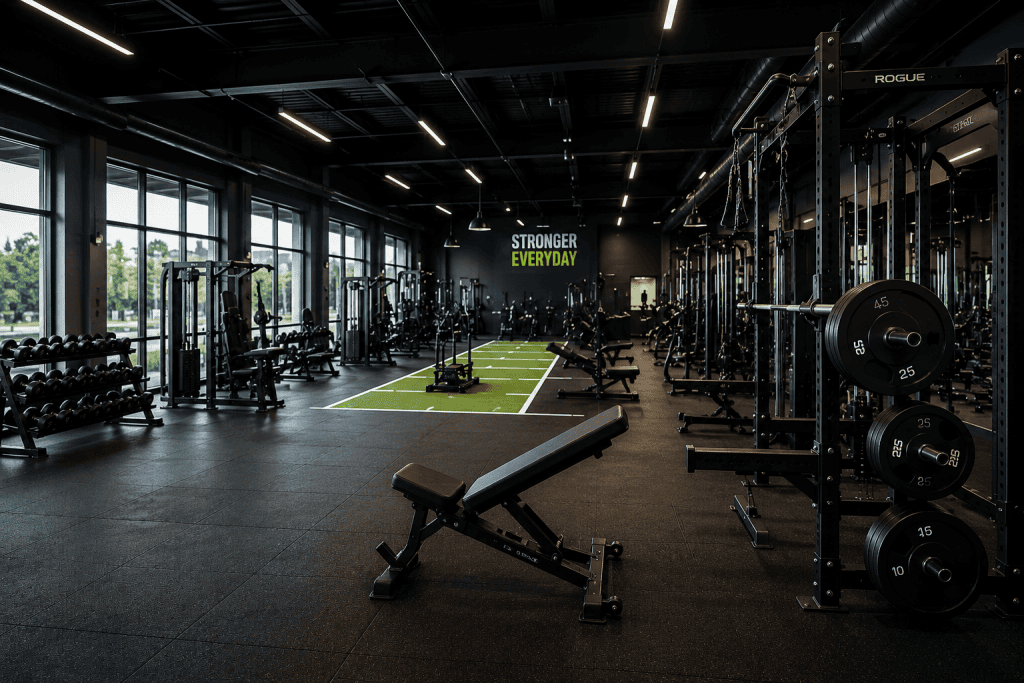
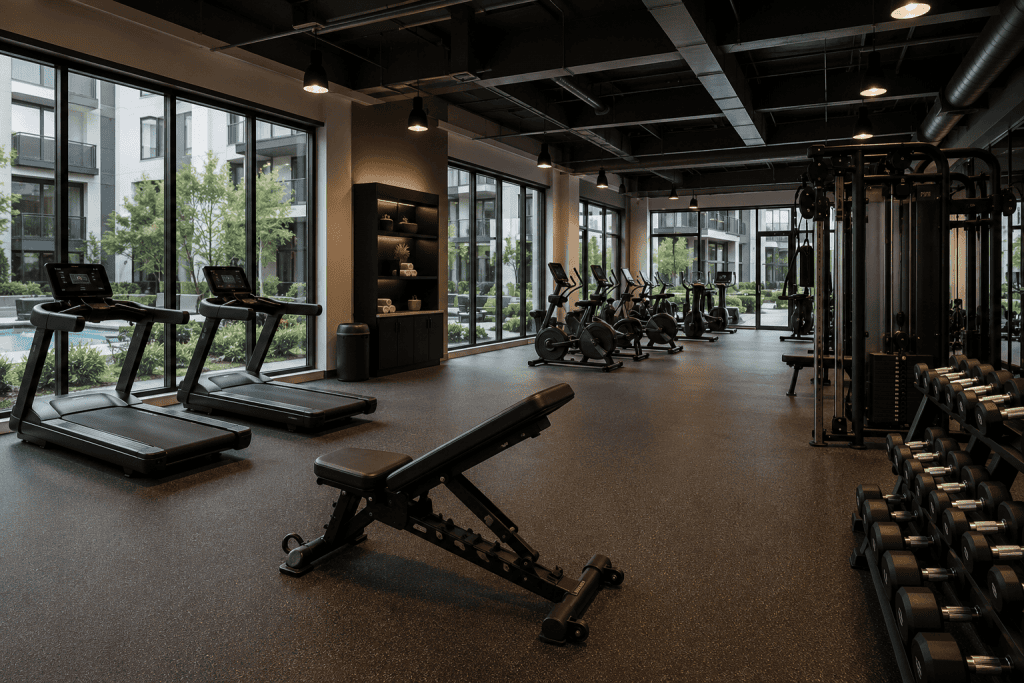
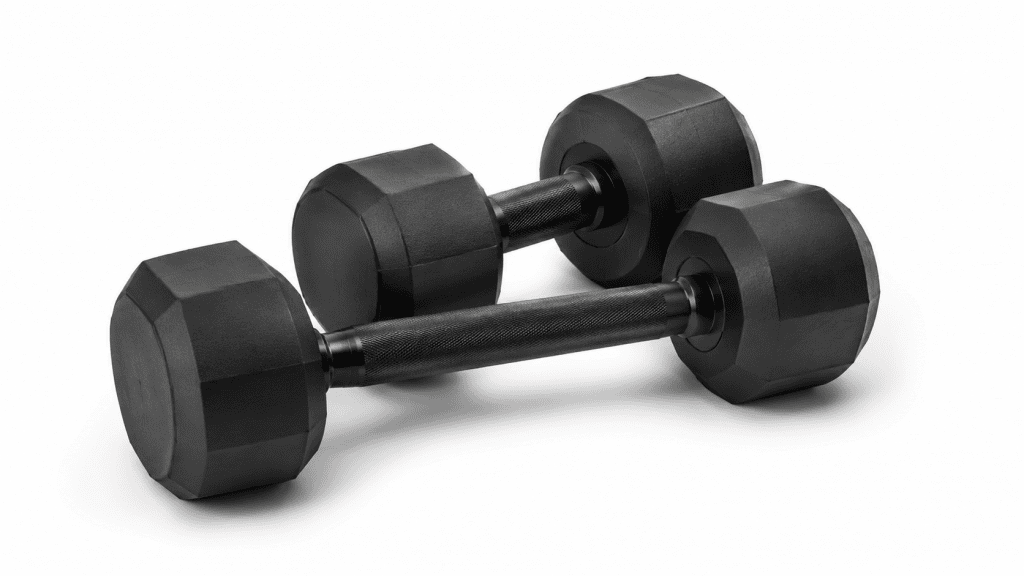
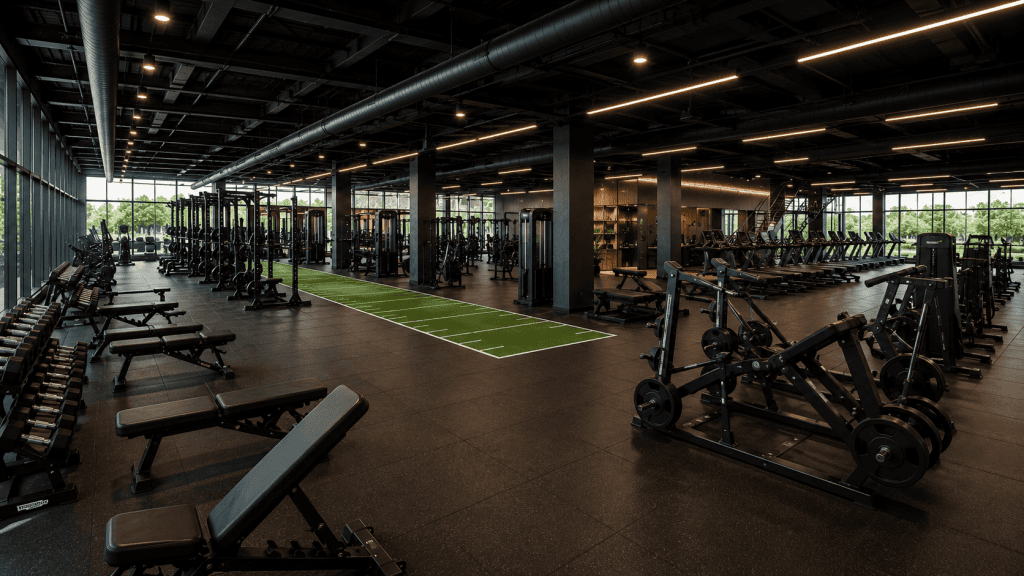
Owners researching Gym equipment upgrade financing should begin with a complete inventory of their existing machines. Equipment can be classified according to age, condition, maintenance history, member utilization, and replacement priority. This helps distinguish essential replacements from upgrades that can wait.
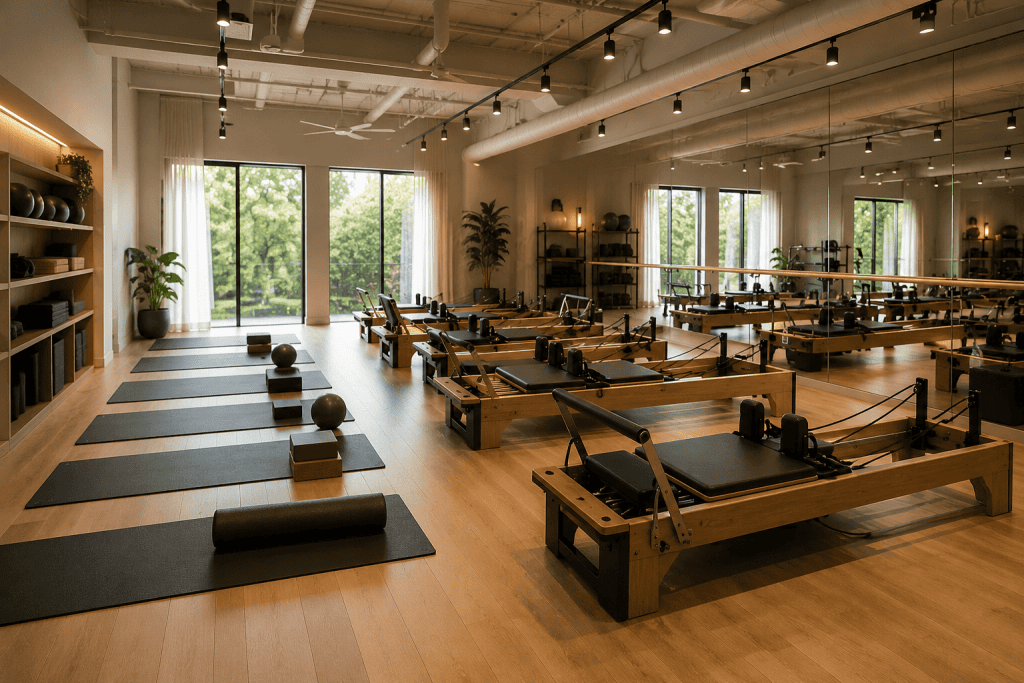
Businesses considering recovery lounge financing should first determine what services members actually want. A recovery area might include appropriate commercial recovery equipment, stretching areas, compression systems, massage equipment, or other wellness amenities depending on the business model.
Entrepreneurs evaluating buy a gym financing should examine the condition of equipment included in an acquisition. A gym filled with old machines can require substantial additional investment immediately after closing, making the effective purchase cost higher than the negotiated price.
Existing franchise operators considering fitness franchise expansion financing should evaluate whether their current locations have demonstrated sustainable demand and profitability before committing to another unit.
Operators developing a sports-performance facility can investigate training center financing for eligible construction, equipment, technology, and other business expenses, depending on the particular financing product.
A detailed project budget gives lenders and owners a clearer picture of where capital will go and how the proposed investment fits the business.
2. Financing Commercial Equipment Upgrades
When using Gym equipment upgrade financing, owners should obtain written quotes from equipment suppliers. Proposals should identify models, quantities, warranties, delivery expenses, installation costs, and any additional electrical or facility work required.
With recovery lounge financing, the useful life of the equipment should be compared with the proposed repayment period. Financing an asset long after it is likely to require replacement can create an undesirable mismatch.
Applicants for buy a gym financing should determine whether equipment is owned outright, leased, or subject to other obligations. Buyers should not assume every machine physically located in the facility automatically transfers free of obligations.
Businesses using fitness franchise expansion financing may have specific equipment standards established by the franchise system. Owners should understand those requirements before developing the project budget.
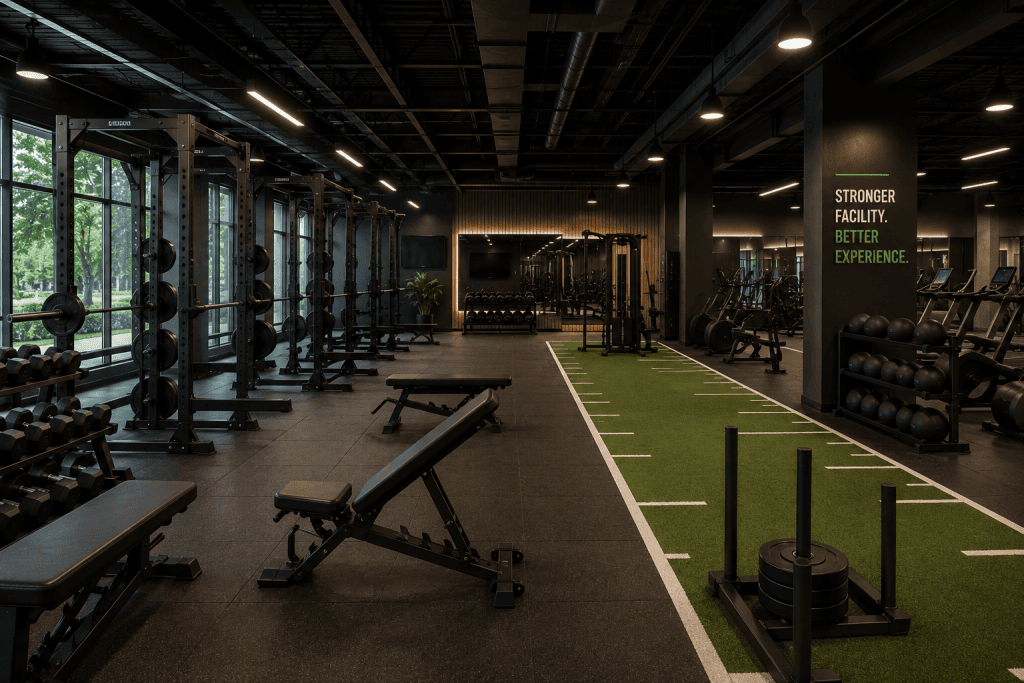
For training center financing, equipment purchases can vary considerably by concept. A strength-and-conditioning facility may prioritize racks, platforms, turf, sleds, free weights, timing systems, and functional equipment, while another facility may need different assets.
Equipment should ultimately be selected according to utilization and business needs rather than simply because additional financing is available.
3. Exploring SBA-Backed Financing
Owners researching Gym equipment upgrade financing can compare equipment-specific products with SBA-backed financing where appropriate. SBA-backed loans are generally made through participating lenders, and applicants remain subject to lender underwriting and applicable program requirements.
Businesses considering recovery lounge financing as part of a larger improvement project can research the SBA 7(a) Loan Program to determine whether their proposed expenditures may qualify.
The 7(a) program can also support qualifying changes of ownership, making it worth investigating for certain applicants considering buy a gym financing. Eligibility and approval depend on the transaction and applicant.
Operators evaluating fitness franchise expansion financing can likewise compare SBA-backed and conventional commercial financing. Franchise affiliation does not itself guarantee financing approval.
Entrepreneurs researching training center financing for qualifying major fixed assets may also want to learn about the SBA 504 Loan Program. The program is focused on eligible fixed assets rather than ordinary working capital or inventory.
The SBA Lender Match service is another official resource for businesses interested in connecting with participating lenders.
4. Developing a Recovery Lounge
A business combining Gym equipment upgrade financing with a recovery-area project should create separate budgets for conventional exercise equipment and wellness equipment. This allows management to measure the economics of each investment more clearly.
Before seeking recovery lounge financing, operators should consider customer demand, pricing, space requirements, insurance, staffing, cleaning, maintenance, utilities, and any regulatory considerations associated with the particular services offered.
An entrepreneur using buy a gym financing may acquire a facility with underused square footage that could potentially be converted into a recovery area. Renovation costs should be estimated before assuming the conversion will be economical.
With fitness franchise expansion financing, recovery amenities may vary according to franchise requirements. Operators should verify what the franchisor permits or requires before investing in equipment or construction.
A sports-performance business using training center financing might integrate recovery services with coaching programs, but management should avoid assuming that every athlete will purchase those services.
Revenue projections should be conservative. An attractive amenity can improve a facility without necessarily producing enough direct revenue to justify a large investment.
5. Buying an Existing Gym
Applicants considering Gym equipment upgrade financing alongside an acquisition should inspect major machines before closing. Equipment age, repair history, warranties, usage, and replacement costs can materially affect the value of the transaction.
If an existing facility already has wellness amenities, recovery lounge financing might potentially be used for qualifying improvements or replacements after closing, depending on the provider and financing terms.
With buy a gym financing, financial due diligence is particularly important. Prospective buyers should examine tax returns, financial statements, membership information, recurring revenue, cancellations, payroll, leases, equipment ownership, liabilities, vendor agreements, and other material records with appropriate professionals.
An entrepreneur considering fitness franchise expansion financing through acquisition should also investigate franchise transfer requirements, fees, approvals, renovation requirements, and contractual obligations before completing the transaction.
Applicants seeking training center financing to convert an acquired gym into a sports-performance facility should estimate conversion costs separately. Existing layouts may require turf, specialized equipment, flooring, structural changes, or technology upgrades.
Buying an operating facility can reduce certain startup challenges, but an acquisition should be evaluated on verified financial performance rather than appearances alone.
6. Illustrative $1.2 Million Fitness Expansion Project
Consider an established business using Gym equipment upgrade financing as part of a hypothetical $1.2 million modernization and expansion project. Management could divide the investment among equipment, construction, recovery amenities, technology, working capital, marketing, and reserves.
A portion devoted to recovery lounge financing could cover qualifying equipment and facility improvements associated with creating a dedicated wellness area, depending on provider requirements.
If the project instead involved buy a gym financing, much of the investment might shift toward the acquisition price and post-closing improvements.
For a multi-location operator, fitness franchise expansion financing could require more capital for construction, franchise-related expenses, equipment, opening marketing, and operating reserves.
A specialized business using training center financing might devote a larger portion to turf, racks, athletic-performance equipment, coaching technology, and facility construction.
Illustrative Capital Allocation
| Project Category | Example Amount |
|---|
| Construction and facility improvements | $300,000 |
| Commercial equipment upgrades | $250,000 |
| Working-capital reserve | $180,000 |
| Recovery and wellness area | $140,000 |
| Training infrastructure | $120,000 |
| Technology and access systems | $75,000 |
| Marketing and launch expenses | $55,000 |
| Professional fees and contingency | $80,000 |
| Total | $1,200,000 |
Illustrative Project Graph
These figures are hypothetical examples only. They are not industry averages, financing offers, or recommended borrowing amounts. Actual expenses vary according to location, square footage, equipment, construction requirements, business model, and provider terms.
7. Expanding a Fitness Franchise
Operators considering Gym equipment upgrade financing before opening another location should determine whether their existing facilities also require investment. Neglecting profitable established locations while directing all available capital toward expansion can create operational problems.
Businesses using recovery lounge financing across multiple locations should consider whether customer demand is consistent enough to justify installing the same amenities everywhere. Different markets may produce different utilization.
An operator comparing expansion with buy a gym financing should evaluate whether acquiring an established facility offers better economics than constructing another location from scratch.
With fitness franchise expansion financing, the complete cost of opening should be calculated. Depending on the franchise, expenses can include franchise-related fees, commercial property, construction, equipment, technology, signage, training, presale marketing, insurance, and working capital.
Businesses pursuing training center financing as part of a franchise concept should also determine whether specialized athletic programs fit within franchise standards and local customer demand.
Growth should be based on demonstrated economics. More locations can increase revenue while simultaneously increasing payroll, rent, management complexity, debt service, insurance, and other fixed costs.
8. Protecting Working Capital During Growth
Businesses using Gym equipment upgrade financing should avoid investing every available dollar in machines. Payroll, utilities, rent or mortgage payments, insurance, maintenance, advertising, and unexpected repairs continue after the equipment arrives.
Similarly, recovery lounge financing should be incorporated into a complete cash-flow forecast. Owners need to account for ongoing maintenance, cleaning, staffing, utilities, supplies, and other operating expenses associated with the new service.
Applicants using buy a gym financing should maintain adequate liquidity after closing. Customer cancellations, deferred maintenance, employee turnover, technology changes, and unexpected equipment failures can create immediate cash requirements.
Operators seeking fitness franchise expansion financing should calculate whether existing locations can remain financially independent if the new location takes longer than expected to reach break-even.
Businesses using training center financing should also account for seasonality. Sports programs can experience changing demand throughout the year, particularly when the customer base includes school or competitive athletes.
Stress-testing projected revenue at 70%, 80%, and 90% of the original forecast can help owners understand how much financial flexibility exists if growth develops more slowly than anticipated.
9. Comparing Financing Offers Before Signing
When comparing Gym equipment upgrade financing, owners should evaluate more than the advertised payment. Rates or financing costs, fees, payment frequency, maturity, collateral requirements, guarantees where applicable, prepayment provisions, and total repayment can all influence the true economics.
Applicants evaluating recovery lounge financing should compare repayment duration with the expected useful life and potential economic contribution of the equipment.
With buy a gym financing, financing terms should be evaluated alongside the quality and valuation of the business itself. Favorable financing cannot make an overpriced acquisition financially attractive.
Operators comparing fitness franchise expansion financing should calculate the combined obligations of existing and proposed locations rather than analyzing the new financing in isolation.
Applicants considering training center financing should verify permitted uses before committing to equipment vendors or contractors. An approval amount does not necessarily mean every proposed expense qualifies under a particular product.
For additional information about government-backed business financing, owners can review the SBA Business Loans Overview and discuss applicable requirements with participating lenders and qualified professional advisers.
Internal Linking Strategy for GymYield.com
This article can link directly to GymYield.com and to your existing content covering commercial exercise equipment, fitness acquisitions, recovery and wellness services, franchise development, athletic facilities, construction, working capital, and multi-location growth.
Readers interested in replacing commercial machines can move toward your equipment-specific articles. Entrepreneurs purchasing existing facilities can be directed toward acquisition content, while franchise operators can move toward your expansion and construction resources. Sports-performance operators can be directed toward articles covering athletic facilities, specialized equipment, and facility development.
You can also connect this page to your primary financing or application page using descriptive anchor text relevant to obtaining capital for a fitness business. I have not invented individual GymYield page URLs that I cannot verify.
Conclusion
Financing can support several stages of fitness-business development, but every investment should have a defined purpose. Replacing aging equipment, creating recovery services, acquiring an established facility, expanding a franchise, and building a specialized athletic center each present different costs and risks.
Equipment investments should be supported by utilization and replacement needs. Recovery amenities should be based on realistic customer demand. Acquisitions require careful financial and operational due diligence, while franchise expansion should be supported by demonstrated economics at existing locations.
Working capital deserves equal attention. A facility can have excellent equipment and still face financial difficulties if insufficient cash remains for payroll, rent, utilities, insurance, maintenance, marketing, and unexpected expenses.
Before accepting any financing proposal, owners should compare the complete terms, including rates or financing costs, fees, payment frequency, maturity, collateral requirements, guarantees where applicable, permitted uses, prepayment provisions, and total repayment obligations. The objective is not simply to obtain the largest approval possible but to secure an appropriate amount of capital for a project the business can reasonably support.
Disclosure: GymYield.com is an affiliate/marketing website and is not a lender or credit decision-maker. It may receive compensation from partners. Financing availability, approval, rates, fees, amounts, and repayment terms depend on individual providers and applicant qualifications. This content is educational and does not constitute financial, legal, accounting, tax, or investment advice.