Financing Gym Equipment, Acquisitions, Liquidity, and Health Club Operations in 2026
Operating a successful fitness business requires more than a great location and quality exercise programs. Owners must purchase and maintain commercial equipment, pay employees, market memberships, manage facilities, invest in technology, and maintain enough cash to handle unexpected expenses. For entrepreneurs purchasing an established gym, the capital requirements can be even larger.
A financing strategy should start with a clearly defined business purpose. Buying treadmills has different financial characteristics from acquiring an entire fitness company, and both are different from borrowing money to support short-term cash flow. Matching the financing structure to the underlying expense can help owners avoid unnecessarily expensive or poorly structured obligations.
This guide for GymYield.com examines financing considerations for equipment purchases, gym acquisitions, business liquidity, and ongoing health-club operations.
1. Financing Commercial Exercise Equipment
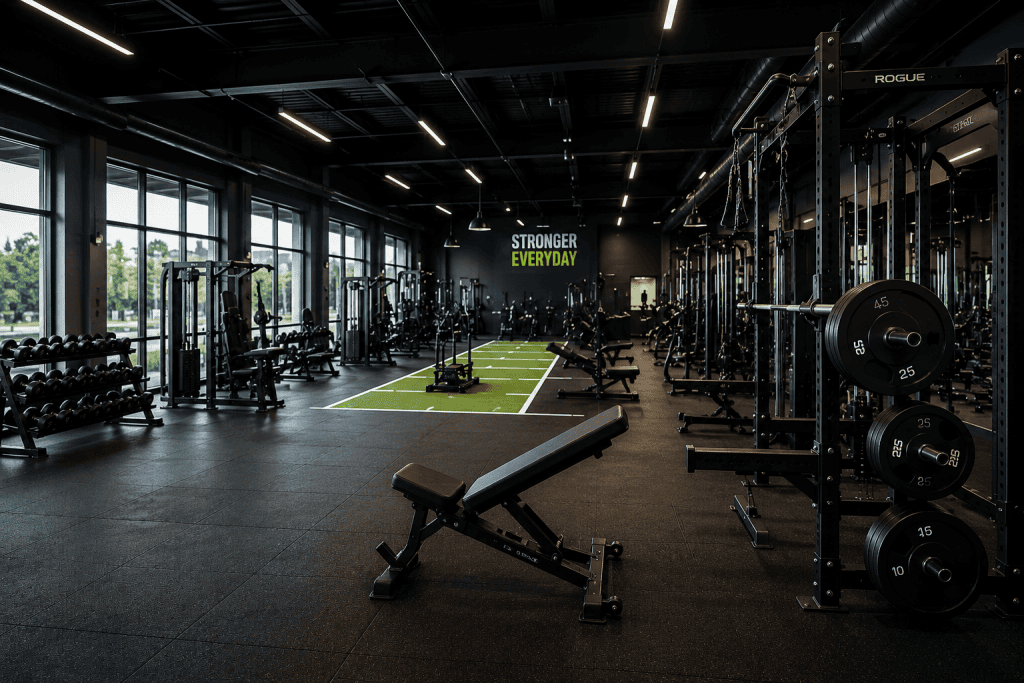
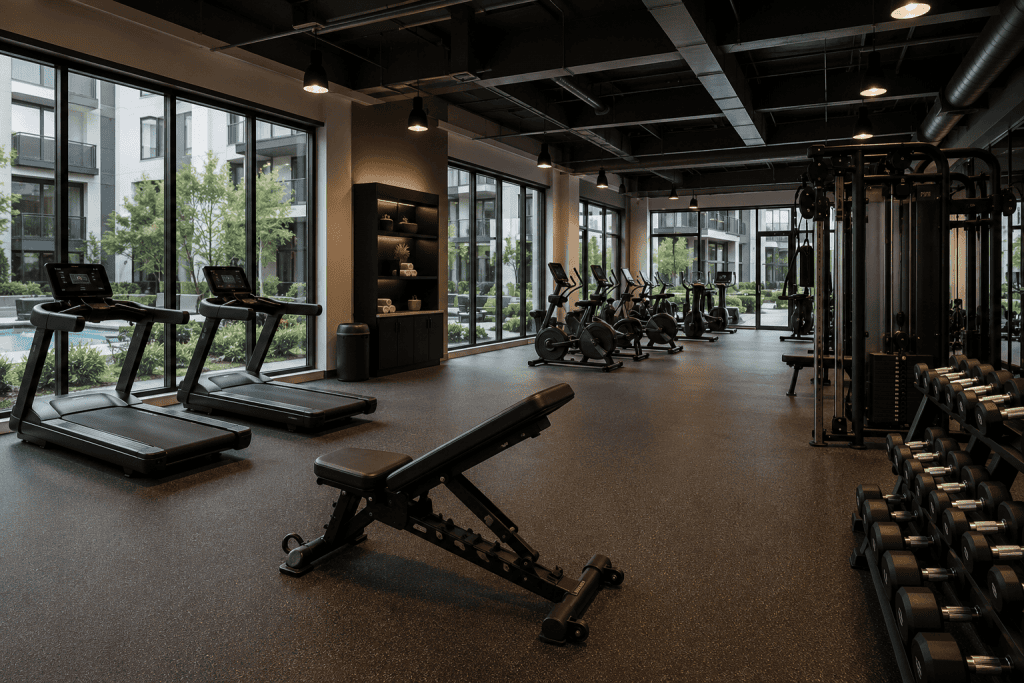
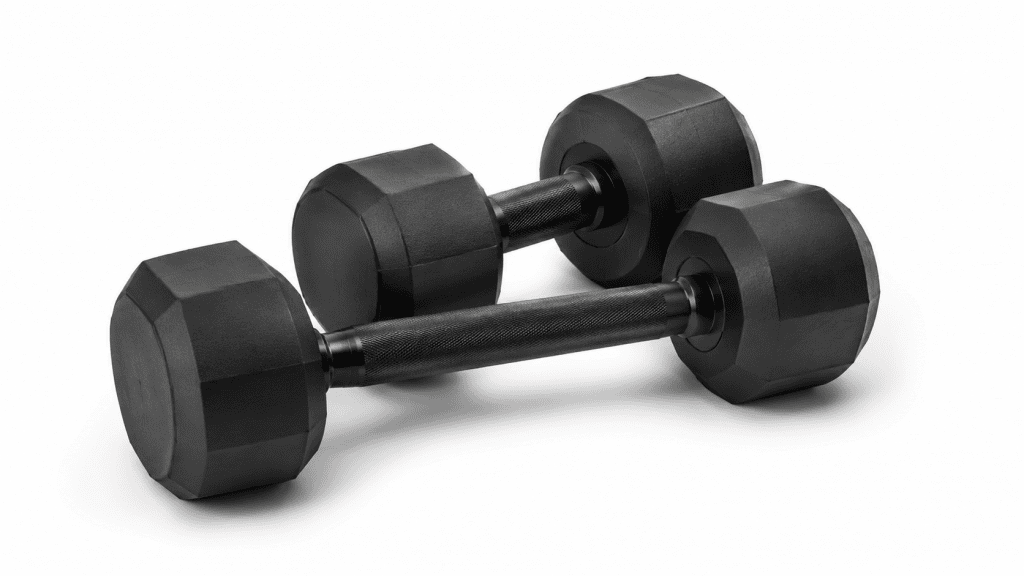
Businesses considering Fitness equipment financing should begin with a detailed equipment list. Commercial treadmills, ellipticals, rowing machines, strength machines, power racks, benches, dumbbells, plates, flooring, and specialized training equipment can represent a major investment.
Owners researching gym equipment loans should obtain written proposals from equipment vendors. Quotes should ideally identify equipment models, quantities, delivery expenses, installation charges, warranties, and other applicable costs.
Entrepreneurs considering gym acquisition financing should determine what equipment is included in the purchase. Buyers need to understand whether the seller owns the machines outright or whether leases, liens, or other obligations may exist.
Businesses seeking fitness business liquidity funding should avoid purchasing unnecessary equipment simply because cash becomes available. Equipment should have a clear operational purpose and realistic expected utilization.
Maintaining adequate health club operating capital is equally important. A business should avoid spending all available cash on new machines while leaving insufficient liquidity for payroll, utilities, insurance, maintenance, and marketing.
2. Comparing Equipment Financing Structures
With Fitness equipment financing, the useful life of the equipment should be considered when evaluating repayment terms. Financing durable commercial assets over an extremely short period can place significant pressure on monthly cash flow.
Applicants comparing gym equipment loans should look beyond the advertised interest rate or payment amount. Origination charges, payment frequency, maturity, collateral, guarantees where applicable, prepayment provisions, and total repayment can all affect the real cost.
When equipment is part of gym acquisition financing, buyers should determine its remaining useful life. An acquired facility containing outdated machines may require a substantial replacement budget soon after closing.
Companies using fitness business liquidity funding to purchase equipment should also calculate how the expenditure affects cash reserves. Preserving some liquidity can be important when revenue fluctuates or unexpected repairs arise.
Strong health club operating capital can provide flexibility when major equipment breaks unexpectedly. Maintaining reserves may allow a facility to replace an essential machine without immediately disrupting other business obligations.
3. SBA-Backed Financing for Fitness Businesses
Businesses researching Fitness equipment financing can compare conventional products with SBA-backed financing when appropriate. SBA loans are generally provided through participating lenders, and borrowers must satisfy applicable eligibility and underwriting requirements.
The SBA 7(a) Loan Program can support several eligible business purposes. That makes SBA-backed financing worth investigating alongside conventional gym equipment loans for qualifying businesses purchasing machinery or equipment.
The 7(a) program can also be relevant to qualifying changes of ownership, which can make it worth researching for certain gym acquisition financing transactions. Approval is not automatic, and individual deals must meet lender and program requirements.
Depending on the qualifying use of proceeds, an SBA-backed product may also be worth comparing with other forms of fitness business liquidity funding. The appropriate structure depends on the business, requested amount, intended use, and applicant qualifications.
Owners seeking health club operating capital can review official SBA resources to understand which programs permit working-capital uses.
The SBA Lender Match service provides a way for business owners to learn about connecting with participating lenders.
4. Purchasing an Existing Gym
An entrepreneur evaluating Fitness equipment financing as part of an acquisition should inventory the assets included in the transaction. Every major machine should be inspected for condition, age, maintenance history, and expected replacement requirements.
Buyers considering gym equipment loans immediately after an acquisition should include those obligations in the overall purchase analysis. A seemingly attractive purchase price can become much more expensive if the equipment requires extensive replacement.
With gym acquisition financing, due diligence is essential. Buyers should review financial statements, tax returns, membership information, recurring revenue, cancellations, leases, payroll, vendor contracts, liabilities, equipment ownership, and other relevant records with appropriate professional assistance.
Post-closing fitness business liquidity funding may also be necessary because ownership changes can create unexpected expenses. Marketing, employee turnover, repairs, technology changes, and membership cancellations can affect cash flow.
Adequate health club operating capital can provide a cushion during the transition. Buyers should calculate the amount needed to operate the business after closing instead of investing every available dollar in the purchase itself.
5. Managing Cash Flow and Liquidity
Businesses using Fitness equipment financing can potentially preserve cash that would otherwise be spent on large upfront purchases. Whether this is financially advantageous depends on financing costs, terms, tax considerations, and the company’s financial position.
Owners evaluating gym equipment loans should calculate how the new payment affects monthly cash flow. Equipment that generates no additional revenue may still be necessary, but its repayment obligation must remain manageable.
Applicants pursuing gym acquisition financing should create conservative post-acquisition forecasts. Revenue should not automatically be assumed to increase simply because new ownership takes control.
Businesses considering fitness business liquidity funding should identify the reason for the cash requirement. Temporary timing problems are different from persistent operating losses that may require changes to pricing, expenses, staffing, or the overall business model.
Maintaining sufficient health club operating capital can help cover recurring expenses during seasonal changes in membership or unexpected disruptions. Borrowing should complement sound cash management rather than replace it.
6. Illustrative $1 Million Fitness Investment
Consider a hypothetical company using Fitness equipment financing as part of a $1 million investment. Management might allocate capital among an acquisition, equipment upgrades, renovations, working reserves, technology, marketing, and professional expenses.
Some gym equipment loans could potentially be dedicated to commercial cardio and strength machines, subject to provider requirements and eligible uses.
If the project involves gym acquisition financing, the purchase price could represent the largest portion of the total investment. Buyers should still preserve enough capital for improvements and operations after closing.
A portion of fitness business liquidity funding could be reserved for payroll, insurance, utilities, marketing, maintenance, and other qualifying operating needs rather than being consumed by the acquisition.
Maintaining health club operating capital after the transaction can provide flexibility if membership growth or operational improvements take longer than expected.
Illustrative Capital Allocation
| Project Category | Example Amount |
|---|
| Business acquisition | $425,000 |
| Commercial equipment | $200,000 |
| Working capital reserve | $140,000 |
| Renovations | $90,000 |
| Technology and access systems | $50,000 |
| Marketing | $35,000 |
| Professional services | $30,000 |
| Contingency reserve | $30,000 |
| Total | $1,000,000 |
Illustrative $1 million fitness business investment
Example allocation for a hypothetical gym acquisition and improvement project.
Actual project costs can differ substantially according to location, business valuation, equipment condition, facility size, renovations, and operating requirements.
7. Upgrading an Existing Health Club
Established businesses researching Fitness equipment financing should prioritize purchases based on member demand and equipment condition. Machines that are frequently unavailable, outdated, unreliable, or expensive to repair may deserve attention before less essential upgrades.
When comparing gym equipment loans, owners can estimate the economic effect of replacing older equipment. Reduced maintenance, improved customer experience, increased capacity, or new programming may potentially provide measurable benefits.
An owner who previously used gym acquisition financing should consider existing acquisition debt before adding another obligation. Multiple individually manageable payments can collectively place significant pressure on cash flow.
Businesses using fitness business liquidity funding for upgrades should maintain clear records showing how the money is used. Separating equipment, operating expenses, marketing, and renovations also makes financial performance easier to evaluate.
Adequate health club operating capital remains important throughout an upgrade. Construction disruptions, equipment delivery delays, or temporary closures of certain areas can potentially affect customer experience and revenue.
8. Comparing Financing Offers Carefully
When evaluating Fitness equipment financing, owners should compare the complete financing economics. Rates or financing costs, origination charges, repayment schedules, maturity, collateral requirements, guarantees where applicable, and prepayment provisions can materially affect the final obligation.
Applicants considering gym equipment loans should compare total repayment rather than focusing exclusively on a low periodic payment. A longer repayment period may reduce individual payments while increasing the amount paid over time.
With gym acquisition financing, borrowers should evaluate financing terms alongside the economics of the business being purchased. Attractive financing cannot compensate for an acquisition price that is unsupported by financial performance.
Businesses comparing fitness business liquidity funding should pay particular attention to repayment frequency. Daily or weekly payments can affect operating cash differently from monthly obligations.
Owners calculating health club operating capital should also stress-test the business. Estimating cash flow at 70%, 80%, and 90% of projected revenue can show how much room exists for weaker-than-expected performance.
For additional information on government-backed financing, the SBA Business Loans Overview provides an official starting point.
9. Building a Sustainable Financing Strategy
The purpose of Fitness equipment financing should be to acquire productive assets under terms the business can reasonably support. Purchasing more equipment than the facility needs can increase obligations without creating corresponding economic value.
Similarly, gym equipment loans should be evaluated according to actual utilization, useful life, maintenance costs, and the financial capacity of the company.
Entrepreneurs considering gym acquisition financing should focus on the quality of the business rather than simply achieving approval. Customer retention, recurring membership revenue, margins, employee stability, lease terms, equipment condition, and competitive position can all affect the value of an acquisition.
Businesses relying on fitness business liquidity funding should establish a plan for returning to internally generated cash flow. Repeated borrowing for ordinary recurring expenses can signal underlying financial problems.
Maintaining appropriate health club operating capital can ultimately provide greater resilience. Cash reserves cannot eliminate business risk, but they can give management more flexibility when revenue slows, equipment fails, or unexpected expenses occur.
Internal Linking Strategy for GymYield.com
This article can link directly to GymYield.com and to your existing pages covering commercial exercise equipment, business acquisitions, working capital, renovations, health clubs, startup costs, expansion, and commercial property.
Equipment-focused readers can move to your existing articles covering treadmills, cardio machines, free weights, strength machines, and other commercial assets. Prospective buyers can move toward acquisition content, while existing operators can move toward your cash-flow, expansion, and renovation resources.
For additional internal SEO value, you can connect this article to your main application or financing page with descriptive anchor text. I have avoided inventing specific GymYield page URLs that I cannot verify.
Conclusion
Financing decisions for fitness businesses should be based on the purpose and expected economic life of each investment. Commercial equipment, an entire business acquisition, renovations, and short-term operating expenses should not automatically be treated as identical financing needs.
Owners purchasing equipment should obtain detailed vendor quotes, compare warranties, estimate useful life, and calculate the effect of financing payments on cash flow. Acquisition buyers should conduct comprehensive due diligence and determine how much additional money will be required after closing.
Liquidity deserves particular attention. A business can own valuable equipment and still encounter financial problems if it lacks enough cash to cover payroll, utilities, insurance, repairs, marketing, and other recurring obligations.
Before accepting any financing offer, compare financing costs, fees, payment frequency, maturity, collateral requirements, guarantees where applicable, permitted uses, prepayment provisions, and total repayment. The objective should be obtaining an appropriate amount of capital for a clearly defined business purpose under terms the company can reasonably manage.
Disclosure: GymYield.com is an affiliate/marketing website and is not a lender or credit decision-maker. It may receive compensation from partners. Financing availability, approval, rates, fees, amounts, and repayment terms depend on individual providers and applicant qualifications. This content is educational and does not constitute financial, legal, accounting, or tax advice.