Gym Yield

sports recovery equipment funding
FITNESS BUSINESS FINANCING

Funding to Build. Equip. Grow.

Whether you’re opening a new gym, expanding your facility, upgrading equipment, or renovating your space, we help you secure the financing you need to grow your fitness business with confidence.

Whether you’re expanding an existing fitness business or launching a specialized training center, Sports recovery equipment funding, cardio equipment financing, additional gym location financing, sport academy financing, and athletic facility financing can help cover equipment purchases, facility improvements, and business growth.

From installing advanced recovery technology and commercial cardio equipment to opening new locations, comparing Sports recovery equipment funding, cardio equipment financing, additional gym location financing, sport academy financing, and athletic facility financing can help fitness entrepreneurs secure the capital needed for long-term success.

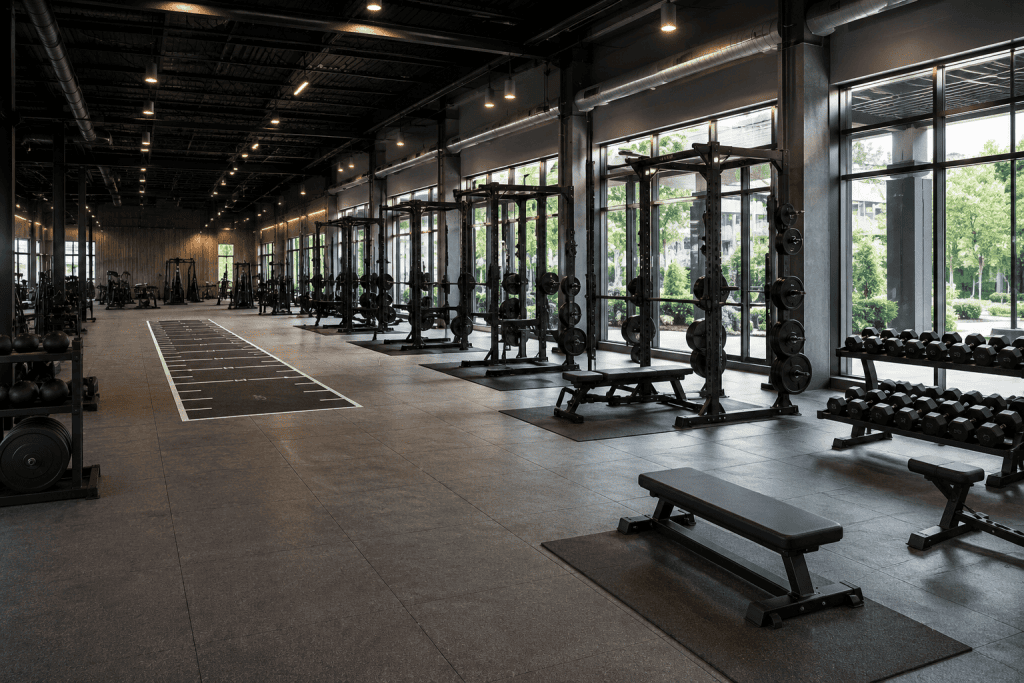
Modern commercial fitness facility with power racks, dumbbells, weight benches, strength equipment, and open training space representing Fitness promotion funding, fitness business growth funding, gym scaling capital, fitness franchise development loans, gym customer growth capital.

Equipment Financing

Get the equipment you need without large upfront costs.

Startup Funding

Secure capital to launch your dream fitness facility.

Expansion Loans

Expand your business and reach more members.

Industry Expertise

Specialized financing solutions tailored for fitness businesses.

Competitive Rates

Access financing options from trusted lending partners.

Flexible Terms

Solutions tailored to your business goals and budget.

Nationwide Coverage

Supporting fitness businesses throughout the United States.

Affiliate Disclosure: We are an affiliate marketing website and may receive compensation from lending partners. We are not a lender, do not make credit decisions, and do not guarantee approval. Loan terms and rates are determined by individual lenders.

WHAT CAN YOU FINANCE?

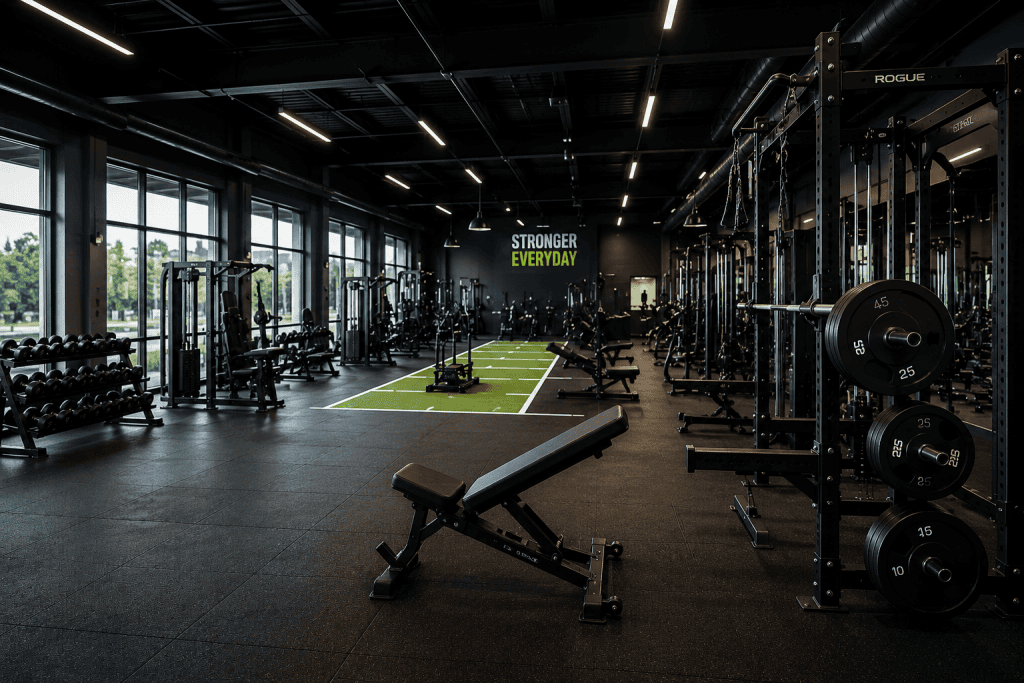
Modern commercial gym with strength equipment, free weights, workout benches, power racks, and functional training turf representing Cryotherapy equipment financing, health club line of credit, gym payroll financing, gym business financing, health optimization center financing.
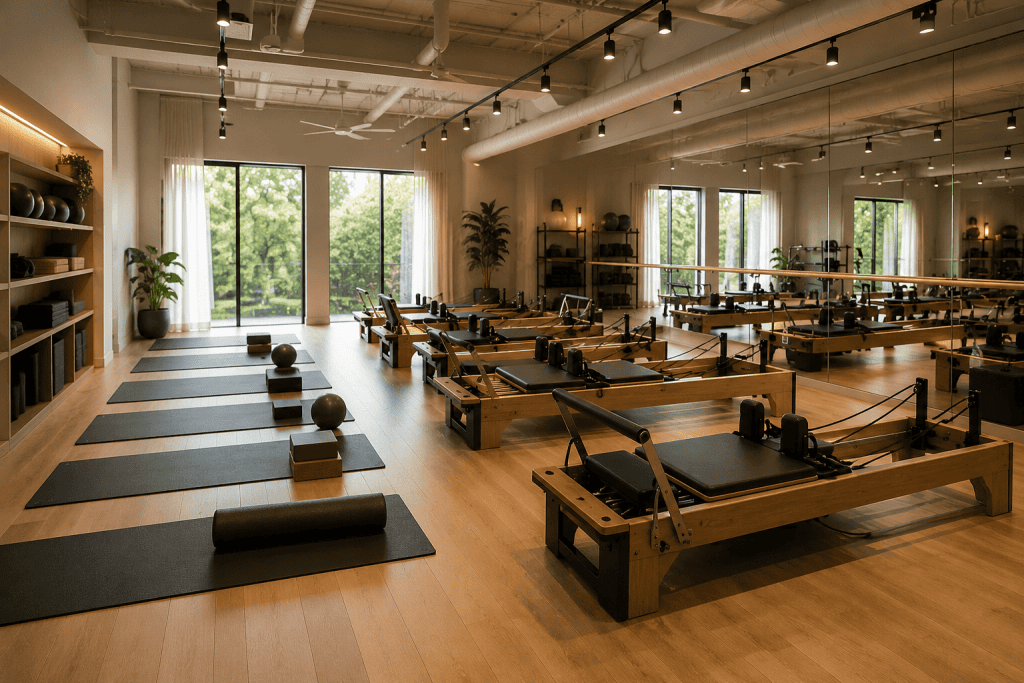
Modern Pilates and fitness studio with reformer machines, exercise mats, stability balls, and open training space representing Fitness equipment financing, gym equipment loans, gym acquisition financing, fitness business liquidity funding, health club operating capital.
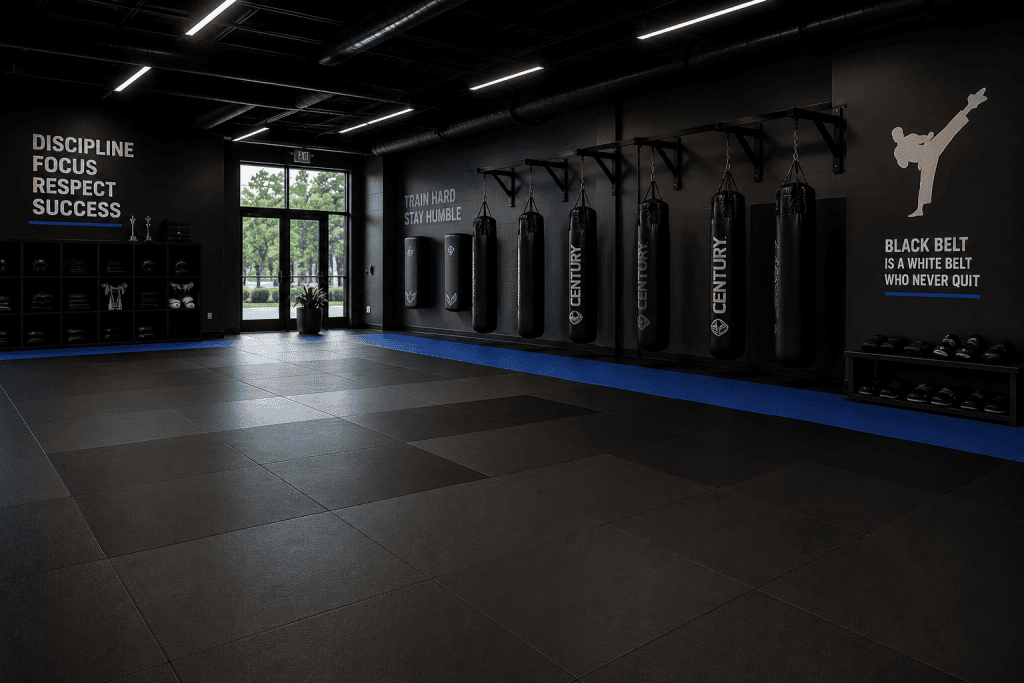
Modern martial arts and specialty fitness studio with heavy bags, padded training floors, open workout space, and training equipment representing Specialty fitness studio loans, HIIT studio financing, elliptical financing, treadmill financing, health club ownership transfer loans.
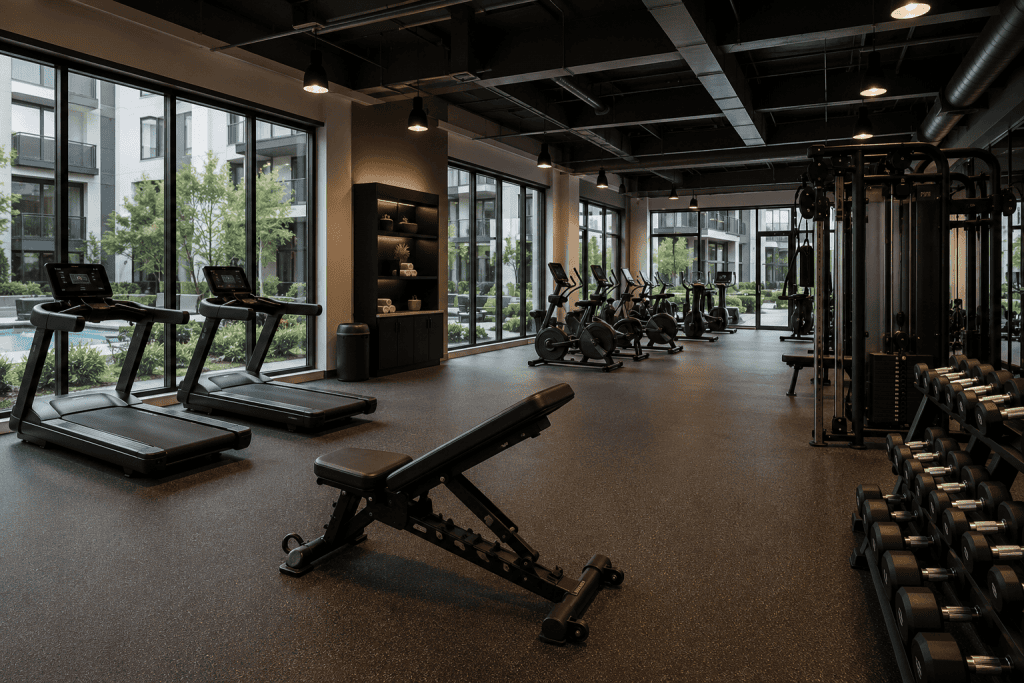
Modern commercial fitness center with treadmills, cardio machines, strength equipment, adjustable bench, and dumbbells representing Fitness entrepreneur funding, gym business startup loans, gym real estate financing, gym working capital loans, wellness facility expansion loans.
Modern commercial fitness facility with power racks, dumbbells, weight benches, strength equipment, and open training space representing Fitness promotion funding, fitness business growth funding, gym scaling capital, fitness franchise development loans, gym customer growth capital.
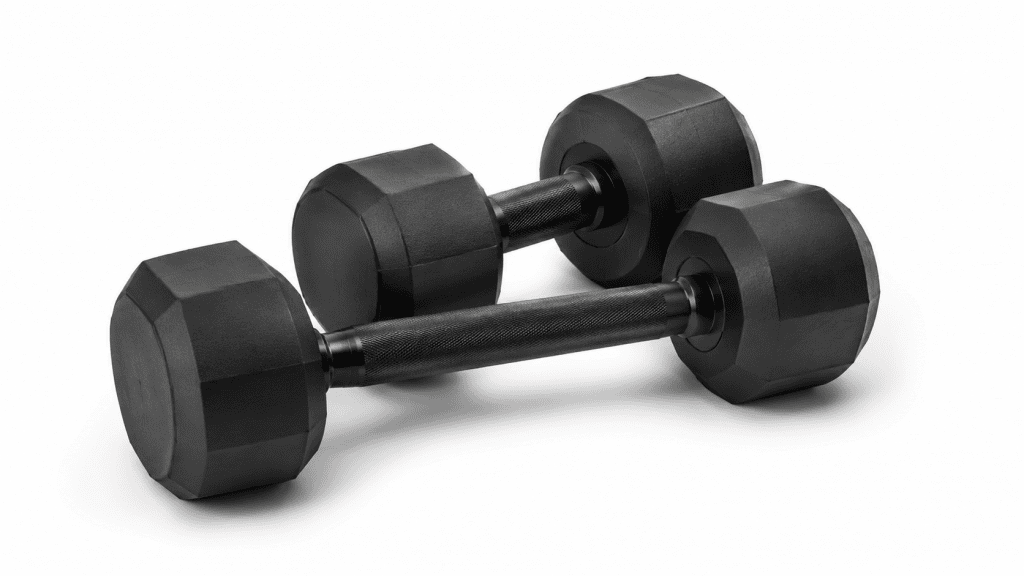
Commercial dumbbells representing Trainer business financing, coaching facility financing, personal training gym funding, fitness center operating funds, health club real estate funding for fitness business owners.
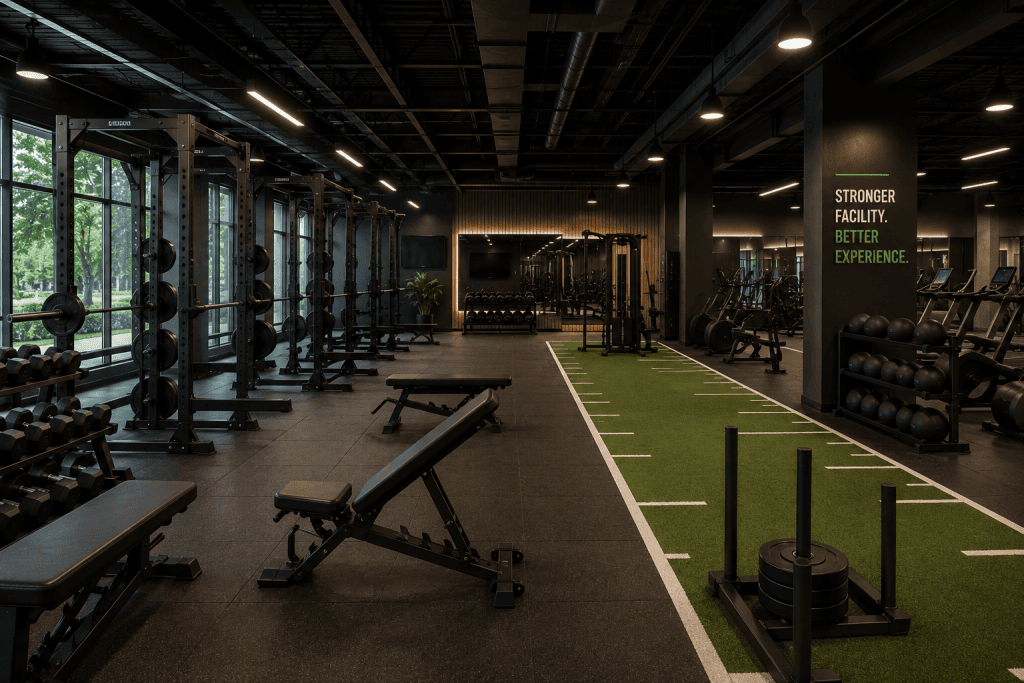
Modern commercial gym with strength racks, free weights, workout benches, functional training turf, cardio equipment, and sled training space representing gym financing marketplace, health club franchise funding, member engagement platform financing, gym mobile app financing, gym funding providers.
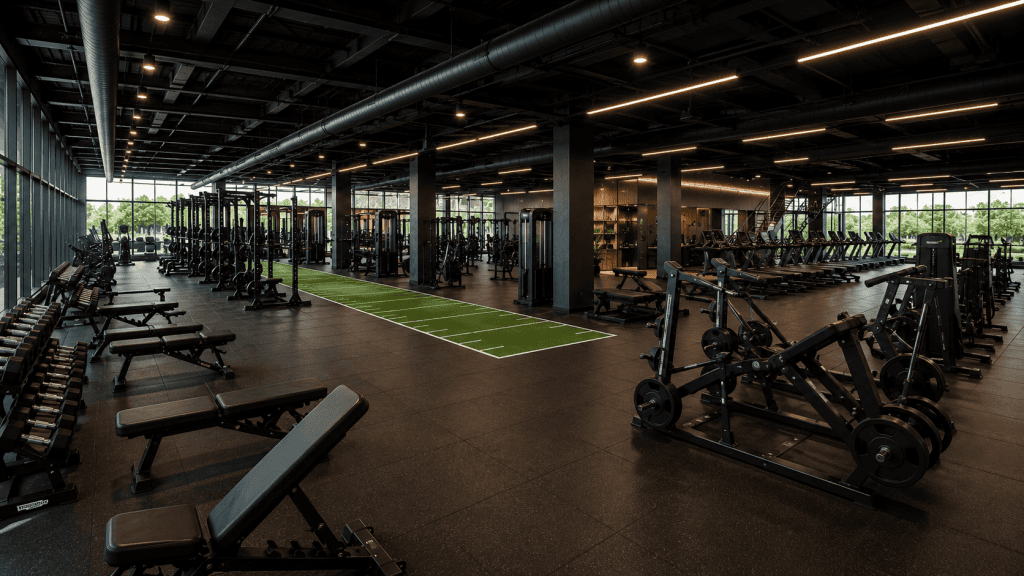
Modern commercial fitness center with strength machines, free weights, cardio equipment, workout benches, and functional training turf representing fitness technology funding, gym automation financing, membership management software financing, fitness franchise financing, gym franchise loans.

How it works

1

Apply

Complete a short financing application.

2

Get Matched

We connect you with the right lending options.

3

Receive Funding

Get the capital you need to bring your plans to life.

4

Grow Your Business

Launch, expand, and take your business to the next level.

FINANCING SOLUTIONS

Startup Financing

Funding designed for entrepreneurs entering the fitness industry.

Equipment Financing

Purchase equipment while preserving working capital.

Expansion Loans

Support growth initiatives and new facility locations.

Working Capital

Maintain healthy cash flow and day-to-day operations.

Whether you’re opening a new training center or expanding an existing operation, Sports recovery equipment funding, cardio equipment financing, additional gym location financing, sport academy financing, and athletic facility financing can help cover equipment purchases, facility improvements, and business expansion.

Fitness entrepreneurs can use Sports recovery equipment funding, cardio equipment financing, additional gym location financing, sport academy financing, and athletic facility financing to invest in commercial exercise equipment, recovery technology, new construction, and additional training locations.

By comparing Sports recovery equipment funding, cardio equipment financing, additional gym location financing, sport academy financing, and athletic facility financing, business owners can choose financing solutions that support sustainable growth, improve member experiences, and strengthen their long-term success.

Ready to Fund Your Next Fitness Project?

Whether you’re launching a new venture, upgrading equipment, or expanding operations, we’re here to help you find the right financing solution.

Below this line is for SEO ranking and information purposes!!!

General Gym Funding Basics
1. What types of loans can I secure through GymYield?
Through our affiliate network, you can access term loans, equipment leases, working capital loans, lines of credit, and SBA financing options.
2. How does the affiliate process work at GymYield?
We partner with specialized commercial lenders to match your fitness business with funding providers who understand the industry.
3. What credit score do I need to get approved for a gym business loan?
Lenders generally prefer a personal credit score of 620 or higher, though options exist for lower scores with strong revenue.
4. Do I need collateral to secure a loan for my fitness business?
Many loans require collateral like equipment or property, but unsecured working capital lines are also available based on revenue.
5. How can Sports recovery equipment funding help my gym increase revenue?
Sports recovery equipment funding allows you to add high-margin services like cryotherapy and compression therapy, attracting premium-tier members.
6. Can I get a loan if my gym is considered a startup?
Yes, but you will typically need a strong business plan, good personal credit, and a down payment of 10% to 20%.
7. What is the minimum annual revenue required to qualify for most gym business loans?
Most non-bank lenders look for at least $100,000 to $150,000 in annual gross revenue to approve a business loan.
8. How long does the approval process take for a standard gym loan?
Online affiliate lenders can approve applications in 24 to 48 hours, while traditional bank loans take several weeks.
9. What documents do lenders typically ask for when applying for a gym loan?
You generally need 3 to 6 months of bank statements, tax returns, a business lease, and a financial statement.
10. Are there specific loans designed for independent personal trainers?
Yes, trainers can secure microloans or small lines of credit to purchase mobile equipment or lease private training spaces.

Equipment & Technology
11. Can I finance treadmills, ellipticals, and weight machines?
Yes, standard gym equipment can be financed through leases or loans where the machinery itself serves as the collateral.
12. What are the benefits of cardio equipment financing?
Cardio equipment financing preserves your upfront cash, allows for regular technology upgrades, and offers predictable, budget-friendly monthly payments.
13. Can I lease gym equipment instead of buying it outright?
Leasing is highly common and allows you to return or purchase the machines at the end of the term.
14. Will lenders allow me to bundle gym management software and access control systems into my loan?
Many equipment financing programs let you bundle soft costs like software, installation, and security systems into one package.
15. What are the tax advantages of equipment leasing for a gym?
Under Section 179, you may be able to deduct the full purchase price of qualifying equipment in the tax year it is acquired.
16. Can I finance used or refurbished gym equipment?
Yes, many specialized lenders fund certified refurbished equipment, provided it meets certain age and operating condition standards.
17. Do equipment financing loans require a down payment?
Some lenders offer 100% financing with zero down, while others require the first and last month’s payments upfront.
18. What is the difference between a $1 buyout lease and an FMV (Fair Market Value) lease?
A $1 buyout lease transfers ownership to you for one dollar at the end, while an FMV lease offers lower payments with an option to buy at fair value later.
19. How long are the typical repayment terms for a fitness equipment loan?
Repayment terms usually range from 24 to 60 months, depending on the lifespan of the equipment funded.
20. Can I bundle delivery and installation costs into my equipment loan?
Yes, most lenders allow you to roll delivery, assembly, and installation fees directly into the total financed amount.

Expansion & Real Estate
21. What is the best way to fund the opening of a second gym?
An SBA 7(a) loan or a commercial term loan are the most common routes for financing physical expansions.
22. What are the requirements to qualify for additional gym location financing?
To qualify for additional gym location financing, you must show strong historical profitability and steady cash flow at your original location.
23. Can I use a business loan to purchase commercial real estate for my gym?
Yes, commercial real estate loans or SBA 504 loans are designed specifically to help business owners buy their own buildings.
24. How do lenders evaluate commercial leases when I want to expand?
Lenders look for a lease term that matches or exceeds the length of the loan to ensure business continuity.
25. Can I get a loan to cover the build-out and renovation costs of a new space?
Yes, leasehold improvement loans cover tenant build-outs, including plumbing, drywall, lighting, and heavy-duty gym flooring.
26. Are there government-backed loans available for gym real estate expansions?
SBA loans offer lower down payments and fixed long-term rates for eligible gym owners purchasing or renovating real estate.
27. How much working capital do I need to survive the first six months of a new gym expansion?
Lenders typically like to see enough cash reserves to cover three to six months of operating expenses and rent payments.
28. Can I get funding to buy out a business partner in my current gym?
Yes, partnership buyout loans are available if the remaining partner can prove the gym can sustain the debt solo.
29. Should I look for an investor or take out a business loan to expand my gym?
A loan allows you to maintain 100% equity and control, whereas an investor will take a permanent share of your profits.
30. How do SBA 504 loans differ from SBA 7(a) loans for real estate projects?
SBA 504 loans are strictly for fixed assets like land and structures, offering lower fees than flexible 7(a) loans.

Specialized Niche Funding
31. Do yoga studios, pilates, and wellness centers qualify for standard gym loans?
Yes, all boutique fitness models are eligible for financing, provided they show steady recurring membership revenue.
32. What financing options are available specifically for martial arts dojos?
Dojos can utilize working capital loans for marketing or equipment financing for specialized safety mats and training gear.
33. How does sport academy financing differ from traditional commercial gym loans?
Sport academy financing accounts for seasonal student enrollment, complex coaching payrolls, and large-scale, multi-sport training environments.
34. Can I get a loan to build an indoor turf facility?
Yes, commercial lenders offer specialized asset funding for large indoor turf fields, framing installations, and facility netting.
35. How do lenders view CrossFit affiliates compared to traditional big-box gyms?
Lenders appreciate CrossFit’s lower equipment overhead but look closely at local competition and trainer retention rates.
36. Are there specific startup grants or microloans available for fitness entrepreneurs?
While grants are rare, the SBA Microloan program offers up to $50,000 for early-stage or underserved fitness businesses.
37. Can dance studios access commercial fitness loans?
Yes, dance studios can secure capital for floating hardwood floors, wall-to-wall mirrors, sound systems, and marketing campaigns.
38. What is the process for funding a climbing gym and bouldering facility?
Because of high build-out costs, climbing gyms require detailed architectural plans and a mix of equipment and construction financing.
39. Can I borrow money to add a juice bar or retail shop to my gym?
Yes, ancillary revenue upgrades can be funded using short-term working capital loans or commercial lines of credit.
40. How do lenders assess the risk of a niche wellness center compared to a standard gym?
Lenders look closely at the average customer lifetime value and the certifications of the specialized staff employed.

Facility Operations & Working Capital
41. Can I get a loan just to cover operating expenses during the summer slowdown?
Yes, a short-term working capital loan or a business line of credit is ideal for smoothing out seasonal cash flow dips.
42. How does athletic facility financing differ from equipment leasing?
Unlike simple equipment leases, athletic facility financing addresses structural needs, property acquisition, and large-scale utility infrastructure.
43. What is a business line of credit, and how can my gym use it?
It is a revolving pool of funds you can draw from as needed to pay for unexpected repairs, inventory, or emergency payroll.
44. How do Revenue-Based Financing (RBF) loans work for fitness centers?
Repayments automatically adjust based on a small percentage of your daily or weekly credit card sales from monthly memberships.
45. Can I use a Merchant Cash Advance (MCA) if I have bad credit?
Yes, MCAs focus on your daily card volume rather than credit scores, but they carry higher overall borrowing costs.
46. What can I do to improve my gym’s cash flow during historically slow quarters?
Securing a flexible line of credit before the slow season ensures you can pay operational bills without stress.
47. How can I get funding to hire more certified personal trainers and front desk staff?
Working capital loans can provide the upfront capital needed to fund recruitment, onboarding, and initial payroll cycles.
48. Can I use an unsecured business loan for my gym’s marketing and advertising campaigns?
Yes, unsecured loans provide quick, flexible capital that can be used directly for digital ads and member acquisition.
49. What is the average interest rate for a gym working capital loan?
Rates vary wildly by credit, ranging from 7% for prime bank lines to 25%+ for quick alternative funding.
50. How long do I have to wait to refinance a high-interest gym loan?
Most lenders like to see 6 to 12 months of consistent on-time payments before approving a lower-rate refinance.

Repayment & Loan Management
51. What happens if my gym experiences a dip in revenue and I miss a loan payment?
Contact your lender immediately; many will work out a temporary payment adjustment rather than risking a formal default.
52. Can I pay off my gym equipment loan early without facing prepayment penalties?
This depends entirely on the contract; you must look for lenders offering “no prepayment penalty” options.
53. Do business loans for gyms have fixed or variable interest rates?
Both are available, but equipment loans are typically fixed, while lines of credit often feature variable interest rates.
54. How do I calculate the total cost of financing before I sign a loan agreement?
Multiply your monthly payment by the total number of months in the term, then add any upfront origination fees.
55. How does Sports recovery equipment funding factor into my monthly debt-to-income ratio?
Lenders count Sports recovery equipment funding as a fixed liability that must be comfortably covered by your gross operational margins.
56. Are there lenders that offer seasonal repayment schedules to match the January membership rush?
Yes, certain specialized industry lenders offer structured repayment plans with lower payments during slow summer months.
57. What is a personal guarantee, and do all commercial gym lenders require it?
A personal guarantee holds you personally liable if the business fails; almost all non-bank lenders require one.
58. Can a gym business loan help build my business credit profile?
Yes, as long as your chosen lender reports your positive payment history to major commercial credit bureaus like Dun & Bradstreet.
59. What are the typical origination fees associated with gym loans?
Origination fees typically range from 1% to 5% of the total loan amount and are usually deducted directly from the payout.
60. How can I monitor my gym’s debt service coverage ratio (DSCR)?
Divide your net operating income by your total annual debt payments; lenders generally like to see a ratio above 1.25.

Application Process & Readiness
61. What is the very first step in applying for a gym business loan?
The first step is gathering your recent financial records, including business bank statements, tax returns, and current profit statements.
62. How long will I need to be in business to secure the best loan interest rates?
The most competitive rates and terms are reserved for established gym businesses operating for 2 or more years.
63. Can I get approved for cardio equipment financing with only 6 months of bank statements?
Yes, cardio equipment financing is easier to secure for newer gyms because the equipment itself serves as security for the lender.
64. What is the role of a business plan in getting approved for a commercial fitness loan?
A business plan proves to lenders that you have calculated your local market competition, overhead costs, and projected growth.
65. Will applying for multiple gym loans hurt my personal credit score?
Initial soft-pull inquiries do not harm your credit, but multiple formal hard applications within a short time can lower it.
66. What information is generally included in a lender’s risk assessment of a gym?
Lenders evaluate your local member attrition rate, the remaining time on your building lease, and your personal credit history.
67. Can I apply for a gym loan online, or do I need to visit a physical bank?
GymYield allows you to complete the entire application process online, matching you digitally with appropriate commercial lending partners.
68. How do lenders verify my gym’s revenue and membership numbers?
Lenders verify performance via linked business bank accounts or formal reporting pull-outs from your gym management software database.
69. What are the most common reasons gyms are denied for business loans?
Common rejection causes include volatile cash flow, a short time in business, poor credit history, or insufficient tax documentation.
70. How can I find the right lender who understands the fitness industry?
Using an industry platform like GymYield filters out generic lenders, matching you only with institutions that fund fitness assets.

Franchise & Acquisitions
71. Is it better to buy an existing gym or start a new one from scratch?
Buying an existing gym offers immediate cash flow and active memberships, making it far easier to secure bank financing.
72. How do I secure additional gym location financing if I want to open a franchise?
Securing additional gym location financing for a franchise involves presenting the brand’s corporate disclosure documents along with your successful operational history.
73. Do franchisors offer in-house financing programs for new owners?
Some franchisors offer in-house funding or have relationships with preferred lenders, though outside affiliate options are often cheaper.
74. How do lenders calculate the valuation of an existing gym I want to buy?
Lenders value existing locations using a multiplier of earnings before interest, taxes, depreciation, and amortization (EBITDA).
75. Can I get an SBA 7(a) loan to cover a gym franchise acquisition?
Yes, SBA 7(a) loans are highly popular and perfectly structured for purchasing approved, established franchise concepts.
76. What documents do I need to provide when taking over an established gym business?
You will need the seller’s past three years of tax returns, an asset inventory list, and a signed purchase agreement.
77. Can I use an equipment loan to replace all the machines in a newly acquired gym?
Yes, equipment lines of credit can be used immediately after acquisition to replace outdated, unappealing machinery.
78. What are the franchise transfer fees, and can they be bundled into a loan?
Transfer fees vary by brand but can typically be included in the working capital portion of an acquisition loan.
79. How do I transfer an existing commercial property lease to my name during a gym purchase?
The lease transfer requires landlord approval and must be fully coordinated before your acquisition funding can officially close.
80. How long do acquisition loans typically take to close?
Acquisition loans generally take between 30 and 90 days, depending on the complexity of the financials and valuations.

Marketing, Upgrades & Renovations
81. Can I get a loan to completely renovate my gym’s locker rooms and showers?
Yes, working capital loans or leasehold improvement loans are the standard ways to fund extensive facility remodeling projects.
82. Are there financing options for adding a functional training rig to my facility?
Yes, large functional fitness rigs can be funded through equipment financing plans just like standard weight machines.
83. How can sport academy financing help me build an off-season training facility?
Utilizing sport academy financing lets you build climate-controlled training spaces, pro shops, and parent lounges without draining your operational cash.
84. Can I borrow money to improve my gym’s HVAC and air purification systems?
Yes, commercial equipment loans can cover heavy-duty industrial HVAC units, which are vital for customer comfort and retention.
85. How do I secure a loan for new rubberized flooring and weightlifting platforms?
These costs are usually bundled into a working capital loan or funded via specialized fitness facility construction loans.
86. Can I finance the integration of a digital check-in or booking system?
Yes, modern business lines of credit can be used to purchase automated entry turnstiles and custom member app software.
87. What types of commercial loans are best for aesthetic and cosmetic gym upgrades?
Short-term unsecured business loans are best for rapid cosmetic updates like fresh paint, wall graphics, or neon branding.
88. Can I finance lighting and sound system upgrades for group fitness studios?
Yes, specialized lighting rigs and audio hardware qualify under most technology and commercial equipment lease frameworks.
89. How long do gym renovations typically disrupt business, and can a loan cover this lost time?
Renovations vary, but working capital loans can include extra cushion funds to offset lost revenue during construction closures.
90. Are there green business loans available for energy-efficient gym facility upgrades?
Yes, some lenders offer specialized terms for installing solar panels, energy-efficient lighting, or water-saving locker room fixtures.

Trends & Advanced Strategies
91. What financing options are available for specialized recovery suites and cryotherapy?
Equipment financing and equipment leasing are the most effective ways to secure expensive cryotherapy chambers and hydrotherapy beds.
92. Can I get athletic facility financing to add an outdoor workout area?
Securing athletic facility financing allows you to transform raw outdoor spaces into functional turf zones, complete with weatherproof storage containers.
93. How do lenders view the future of connected fitness (e.g., smart mirrors, streaming equipment)?
Lenders view connected fitness favorably if the equipment features a built-in software subscription model that guarantees recurring member value.
94. Can I secure loans to pivot my gym to a 24/7 access model?
Yes, working capital can fund the keycard integration, extensive security camera networks, and automated lighting systems required for 24/7 use.
95. What are the best funding options for opening a women-only or co-working fitness space?
SBA loans or alternative business loans work perfectly, provided your demographic data supports the niche market demand.
96. Can I finance the creation of a corporate fitness center for another company?
Yes, B2B gym operators can use corporate contract financing to build out satellite fitness spaces for enterprise clients.
97. How are AI and automated gym management tools changing the way gyms borrow money?
AI tools allow lenders to look directly at live check-in data, leading to faster approvals based on real-time gym utilization.
98. What do lenders look for when I request funding for on-site physical therapy services?
Lenders look for the medical or physical therapy licenses of your staff to ensure regulatory compliance and insurance billing readiness.
99. Can I finance the launch of an apparel or supplement line alongside my gym?
Yes, working capital inventory loans allow you to manufacture and stock branded merchandise or private-label nutritional products.
100. How can GymYield help me connect with multiple lenders at once?
By submitting one centralized application on GymYield, your profile is evaluated against an entire network of pre-vetted fitness lenders.
 

Financing Fitness Facilities, Sports Academies, Equipment, and Gym Expansion in 2026

Operating a modern fitness business can require substantial capital. Commercial cardio machines, recovery technology, strength equipment, flooring, leasehold improvements, training areas, software, construction, marketing, and working capital can create expenses ranging from relatively modest upgrades to major real-estate projects. Business owners may therefore explore Sports recovery equipment funding, cardio equipment financing, additional gym location financing, sport academy financing, and athletic facility financing when investing in their businesses.

Financing should always begin with a specific business objective. Purchasing recovery equipment is different from opening another gym, while constructing a large athletic training center presents completely different financial requirements. Matching the financing structure with the purpose of the investment can help owners avoid taking on inappropriate debt.

GymYield.com provides educational information for fitness-business owners researching financing and potential funding providers.

1. Financing Modern Recovery Equipment

Recovery services have become an additional offering at many fitness and athletic facilities. Sports recovery equipment funding may potentially help qualified businesses acquire equipment for recovery areas without paying the entire purchase price upfront.

Depending on the business model, recovery areas can include compression systems, massage equipment, recovery chairs, stretching equipment, saunas, cold-treatment systems, and other commercially appropriate equipment. Owners should verify equipment specifications, safety requirements, warranties, maintenance expenses, and applicable regulations before purchasing.

The same facility may use cardio equipment financing when purchasing treadmills, ellipticals, rowing machines, stationary bikes, stair climbers, and similar commercial machines. Equipment financing can potentially preserve cash that would otherwise be tied up in a large purchase.

Owners pursuing additional gym location financing have broader requirements. The new location may need deposits, renovations, equipment, signage, technology, marketing, and several months of operating reserves.

An entrepreneur developing a youth or professional training operation might investigate sport academy financing for equipment, real estate, renovations, training surfaces, technology, and other eligible business expenses.

Larger projects may require athletic facility financing that combines real estate, construction, equipment, and working capital into an overall funding strategy.

2. Replacing Aging Cardio Equipment

Commercial fitness equipment receives substantial use. Businesses considering Sports recovery equipment funding should evaluate the useful life of recovery technology in the same way they evaluate traditional gym equipment.

For cardio-intensive facilities, cardio equipment financing can help address one of the most expensive equipment categories. Replacing 20 or 30 commercial machines simultaneously can create a significant capital requirement.

Owners should develop an equipment replacement schedule instead of waiting for multiple machines to fail. Track purchase dates, warranties, repairs, maintenance costs, member complaints, downtime, and expected replacement dates.

Businesses planning additional gym location financing can apply the same equipment-management strategy to new locations. Standardizing equipment across facilities can potentially simplify employee training, maintenance, warranties, and purchasing.

A business using sport academy financing may have different priorities, such as turf, batting cages, court equipment, performance technology, weight-training equipment, or sport-specific training systems.

Meanwhile, athletic facility financing may need to address the entire building rather than individual pieces of equipment.

3. Opening a Second Gym Location

A successful first location does not automatically guarantee that a second facility will succeed. Before requesting Sports recovery equipment funding for another facility’s recovery area, owners should establish whether the new location can support premium amenities.

Likewise, cardio equipment financing should be based on projected usage. Purchasing 50 cardio machines for a location that realistically requires 25 can increase debt without producing proportional revenue.

Businesses considering additional gym location financing should study the proposed market carefully. Population, competition, parking, traffic patterns, demographics, nearby employers, lease rates, and customer demand can affect performance.

The management structure also matters. Owners who personally supervise every detail of their first gym may have difficulty duplicating the operation. Before pursuing sport academy financing for another training center, establish repeatable systems for sales, scheduling, employee training, billing, marketing, and customer service.

The same principles become even more important with athletic facility financing, where a larger investment creates greater financial exposure if projections are inaccurate.

4. Building and Financing a Sports Academy

Sports academies can range from relatively small specialized training businesses to large multisport complexes. Sports recovery equipment funding could form one portion of the project’s equipment budget if recovery services are included.

A comprehensive academy may also require cardio equipment financing for conditioning areas used by athletes. However, operators should select equipment according to the academy’s actual training philosophy rather than attempting to duplicate a conventional health club.

When an established company wants to open another training center, additional gym location financing may provide a model for evaluating expansion expenses and expected revenue.

More specialized sport academy financing could be used for eligible project expenses depending on the lender and financing product. Owners should prepare detailed budgets identifying exactly how requested proceeds will be used.

Large-scale athletic facility financing can involve substantial real estate and construction requirements. A facility containing courts, indoor turf, strength areas, locker rooms, offices, physical-performance areas, and spectator space may require significantly more capital than a neighborhood gym.

5. Exploring SBA Financing Programs

Entrepreneurs seeking Sports recovery equipment funding or other equipment-related capital can investigate conventional commercial products alongside SBA-backed options when appropriate.

The SBA states that its 7(a) loan program can support eligible uses including machinery and equipment, working capital, real estate, furniture, fixtures, and certain other business expenses.

SBA 7(a) Loan Program

A business considering cardio equipment financing should compare equipment-specific products with broader business loans rather than assuming one option will always be cheaper.

Companies seeking additional gym location financing can also research SBA Lender Match to learn about connecting with participating lenders.

Large sport academy financing projects involving owner-occupied commercial property may warrant reviewing programs designed for major fixed assets.

For example, the SBA 504 program provides long-term, fixed-rate financing for eligible major fixed assets. Qualifying uses can include purchasing existing buildings, constructing new facilities, improving buildings and acquiring certain long-term equipment.

SBA 504 Loan Program

Depending on the project, this may be relevant when evaluating athletic facility financing involving substantial real estate or construction.

6. Illustrative $1.5 Million Athletic Facility Budget

A business might use Sports recovery equipment funding for a specific portion of a larger project while financing other expenses separately. Similarly, cardio equipment financing could target equipment rather than the building itself.

An established operator using additional gym location financing might already possess centralized administrative systems, reducing certain startup expenses.

A new academy pursuing sport academy financing could have significantly higher construction and training-equipment requirements.

A comprehensive athletic facility financing plan should therefore identify each major use of capital separately.

Here is an illustrative $1.5 million project. These numbers are examples only and are not industry averages.

Illustrative $1.5 million athletic facility budget

Example allocation for a hypothetical fitness and athletic training project.

 
$0$150K$300K$450K$600KConstruction and…Training and stre…Working capital r…Cardio and recove…Lease or property…Technology and se…Marketing and sig…Professional fees…

Illustrative figures only; actual costs vary significantly by project.

The correct budget for an actual business should use contractor estimates, equipment quotes, lease or property information, professional fees, and realistic working-capital projections.

7. Matching Financing Terms to Equipment Life

Applicants considering Sports recovery equipment funding should compare the financing term with the expected useful life of the equipment. Taking long-term debt on technology that could become obsolete relatively quickly can create problems.

The same principle applies to cardio equipment financing. A lower monthly payment achieved through an unusually long repayment term is not necessarily the lowest-cost option.

With additional gym location financing, the business may be financing assets with very different useful lives. Construction improvements, exercise machines, software, marketing, and working capital should not automatically be treated as identical expenses.

Applicants pursuing sport academy financing should develop an asset list showing equipment costs, expected useful life, maintenance requirements, warranties, and replacement schedules.

For large athletic facility financing transactions, professional accounting and legal guidance can be especially useful because the project may involve real estate, construction contracts, equipment liens, guarantees, and other significant obligations.

8. Preparing Financial Projections

A company seeking Sports recovery equipment funding should explain how the new equipment fits the business model. Will recovery services generate additional memberships, separate service revenue, better retention, or simply improve the overall customer experience?

With cardio equipment financing, owners can examine actual equipment utilization. If members regularly wait for treadmills during peak periods, additional machines may solve a measurable capacity problem.

Before pursuing additional gym location financing, management should prepare separate projections for the existing and proposed locations. Combining everything into one company-wide forecast can make it difficult to identify whether the new facility works financially on its own.

For sport academy financing, revenue projections can incorporate applicable sources such as memberships, training programs, camps, team rentals, private instruction, clinics, facility rentals, and performance services.

When evaluating athletic facility financing, owners should stress-test projections. Calculate what happens if revenue reaches only 70%, 80%, or 90% of the initial forecast while major fixed expenses remain unchanged.

9. Preserving Cash While Investing in Growth

One reason a business might consider Sports recovery equipment funding is to avoid using a large percentage of its cash reserves for equipment. Preserving liquidity can provide protection against unexpected expenses.

Similarly, cardio equipment financing can allow qualified businesses to spread an equipment acquisition over time. The tradeoff is that financing creates interest or financing expenses and recurring payment obligations.

For an established company, additional gym location financing may preserve cash at the original facility while supporting expansion. However, owners should avoid assuming that the established operation can indefinitely subsidize an underperforming second location.

Businesses using sport academy financing should maintain adequate reserves for payroll, utilities, insurance, advertising, equipment repairs, and other operating expenses.

With athletic facility financing, cash-flow planning becomes especially important because large facilities can have substantial fixed expenses regardless of how many customers use them during a particular month.

10. Comparing Financing Offers

Applicants evaluating Sports recovery equipment funding should compare rates or financing costs, origination charges, repayment frequency, term length, collateral requirements, personal guarantees where applicable, and prepayment conditions.

When comparing cardio equipment financing, calculate the total amount repaid rather than focusing exclusively on the monthly payment.

For additional gym location financing, consider how new debt affects both the new location and the overall organization. Expansion should ideally strengthen the company instead of putting a successful first facility at unnecessary financial risk.

Applicants reviewing sport academy financing should also understand whether financing proceeds have restrictions on how they can be used.

The same careful review applies to athletic facility financing. Larger transactions may contain more complex documentation and conditions, making professional review worthwhile before signing.

The SBA Business Loans Overview provides additional information about government-backed small-business financing.

11. Developing a Long-Term Capital Strategy

The strongest use of Sports recovery equipment funding is tied to a deliberate facility strategy rather than purchasing technology simply because competitors have it. Owners should determine what members actually want and whether the investment fits their customer base.

Likewise, cardio equipment financing should be based on actual or reasonably projected demand. Equipment utilization, repair history, peak-hour congestion, and member feedback can help guide purchasing decisions.

Before taking on additional gym location financing, an operator should establish repeatable management systems and verify that the first facility is financially healthy.

Entrepreneurs using sport academy financing should understand how the academy will differentiate itself from gyms, school programs, private trainers, and competing sports facilities.

For substantial athletic facility financing, planning should integrate real estate, construction, equipment, staffing, marketing, technology, and working capital rather than treating each expense independently.

Internal Linking Opportunities for GymYield.com

On GymYield.com, this article can internally link to your pages about gym equipment financing, fitness-business expansion, second-location funding, commercial real estate, gym construction, working capital, fitness-business acquisitions, and your financing application or lender-matching page.

For example, readers interested primarily in equipment can be directed to your equipment-financing content, while owners planning another facility can move to expansion-related pages. Sports-academy operators can be directed toward construction and commercial-property content.

I have intentionally not invented specific GymYield.com page URLs that I cannot verify.

Conclusion

Financing a modern fitness or sports business requires careful planning because equipment, construction, real estate, and operating expenses behave differently financially. Owners should begin by identifying the exact purpose of the investment and obtaining realistic quotes.

For equipment purchases, compare financing costs with the expected useful life and economic value of the equipment. For expansion, determine whether existing operations are strong enough to support another location. For major sports facilities, build conservative projections that account for construction costs, staffing, maintenance, utilities, marketing, and adequate working capital.

GymYield.com can provide educational information for fitness and sports-business owners researching funding options and potential financing providers. Borrowers should compare financing offers carefully and understand rates, fees, repayment terms, collateral requirements, guarantees, and total repayment obligations before making a decision.

Disclosure: GymYield.com is an affiliate/marketing website and is not a lender or credit decision-maker. Financing availability, approval, rates, fees, terms, and amounts depend on individual financing providers and applicant qualifications. This article is informational and does not constitute financial, legal, tax, or accounting advice.