About GymYield.com
Welcome to GymYield.com, your trusted resource for exploring financing options for fitness businesses and wellness professionals. Whether you own a neighborhood gym, a boutique fitness studio, a yoga studio, a martial arts academy, a CrossFit facility, a dance studio, or you’re planning to open your first fitness business, our goal is to help connect you with financing opportunities that may support your growth.
GymYield.com is a DBA (Doing Business As) of Feeboards LLC, a company dedicated to building informative websites that help consumers and business owners understand their financing options. We recognize that opening, expanding, or upgrading a fitness facility often requires significant capital. From purchasing commercial exercise equipment to renovating facilities, adding new locations, improving locker rooms, or increasing working capital, financing can play an important role in helping businesses reach their goals.
Our Mission
Our mission is simple:
To provide educational resources and connect fitness business owners with lending partners that may offer financing solutions for a wide variety of business needs.
We strive to make the financing process easier by providing helpful information, educational articles, and access to companies that specialize in business funding. We believe business owners should have the opportunity to compare financing options before making important financial decisions.
Who We Serve
GymYield.com is designed for a wide range of fitness-related businesses, including:
- Commercial gyms
- Independent fitness centers
- Personal training studios
- Yoga studios
- Pilates studios
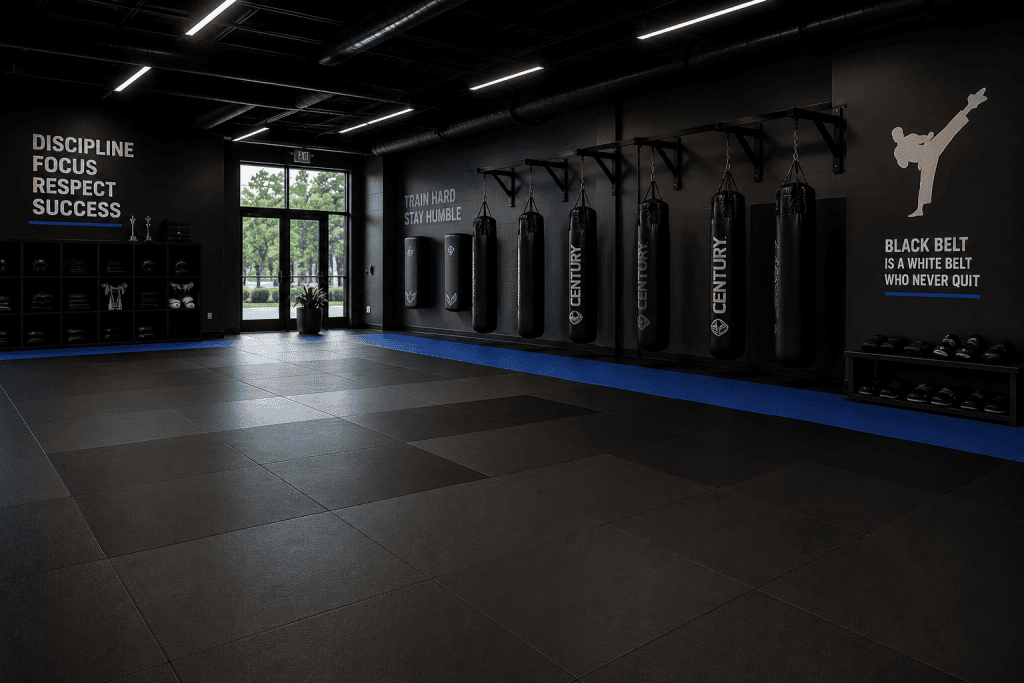
- Karate schools
- Taekwondo academies
- Brazilian Jiu-Jitsu academies
- Boxing gyms
- MMA training facilities
- Dance studios
- CrossFit affiliates
- Indoor sports training centers
- Athletic performance facilities
- Wellness and recovery centers
Whether your business has been operating for years or you’re just getting started, we aim to provide information that can help you understand available funding options.
What Financing May Be Used For
Many business owners seek financing for projects such as:
- Commercial fitness equipment
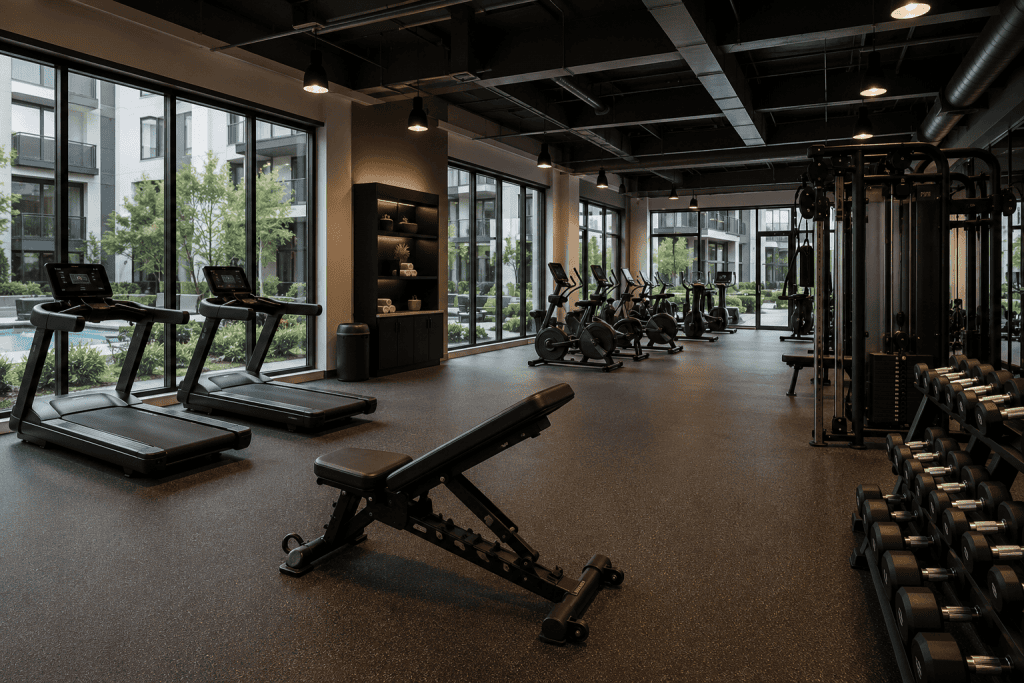
- Cardio machines
- Strength training equipment
- Free weights
- Functional training systems
- Flooring upgrades
- Mirrors and studio improvements
- Sound and lighting systems
- HVAC upgrades
- Locker room renovations
- Building improvements
- Working capital
- Payroll support
- Marketing campaigns
- New business locations
- Franchise purchases
- Software and member management systems
- Recovery equipment
- Indoor turf installations
- Expansion projects
Every business is different, and financing programs vary by lender.
How GymYield.com Works
GymYield.com is not a lender.
Instead, we operate as an affiliate marketing website that introduces visitors to independent lenders and financing providers. If you choose to submit information through one of our partners, your application will be reviewed according to that lender’s own underwriting standards, eligibility requirements, and lending policies.
Because every lender is different, loan amounts, repayment terms, interest rates, approval requirements, and funding timelines may vary.
Submitting information through one of our partner websites does not guarantee loan approval or funding.
Our Commitment
We believe business owners deserve clear, honest information when researching financing options. That’s why we work to publish educational articles covering topics such as:
- Equipment financing
- Small business loans
- Working capital
- Commercial real estate financing
- Franchise funding
- Startup financing
- Expansion loans
- Cash flow management
- Business credit education
Our goal is to simplify complex financial topics so fitness entrepreneurs can make informed decisions.
Affiliate Disclosure
GymYield.com is an affiliate marketing website.
We may receive compensation when visitors click on certain links or are matched with one of our financing partners. This compensation helps support the operation of our website and allows us to continue creating educational content at no additional cost to visitors.
Our affiliate relationships do not determine whether you qualify for financing. Lending decisions are made solely by the participating lenders or financing providers.
Why Choose GymYield.com?
Business owners choose GymYield.com because we focus on:
- Educational resources
- Straightforward information
- Easy access to financing partners
- Multiple funding categories
- Helpful articles and guides
- Transparent affiliate disclosures
- Supporting fitness professionals and entrepreneurs
We understand that growing a successful fitness business takes commitment, planning, and access to capital. Our objective is to make researching financing options easier so you can spend more time serving your members.
Contact Us
If you have questions about GymYield.com or our website, you’re welcome to contact us.
GymYield.com
A DBA of Feeboards LLC
Address:
935 Obenour Ct
Monroe, OH 45050
Phone:
(513) 613-3890
Email:
feeboards@gmail.com
Thank you for visiting GymYield.com. We appreciate the opportunity to be part of your business financing journey and look forward to helping fitness professionals, gym owners, and wellness entrepreneurs explore funding opportunities that may support their long-term success.
Financing a New Gym in 2026: Equipment, Strength Training, Upgrades, and Studio Growth
Opening or expanding a fitness business can require a substantial investment. Commercial exercise equipment, free weights, flooring, locker rooms, showers, access-control systems, software, signage, construction, marketing, and operating capital can quickly turn a fitness concept into a six- or seven-figure project.
The financing strategy should reflect the type of business being developed. A large commercial health club has different requirements from a boutique fitness studio, personal-training center, or specialized strength facility. Owners should therefore create a detailed project budget before approaching financing providers.
The following eight sections examine practical ways fitness entrepreneurs can plan equipment purchases, construction, upgrades, operating capital, and long-term business growth.
1. Planning the Financing for a New Fitness Business
New gym financing can potentially address multiple business expenses depending on the financing product and provider. An entrepreneur may need money for equipment, leasehold improvements, construction, furniture, technology, initial inventory, marketing, and operating expenses.
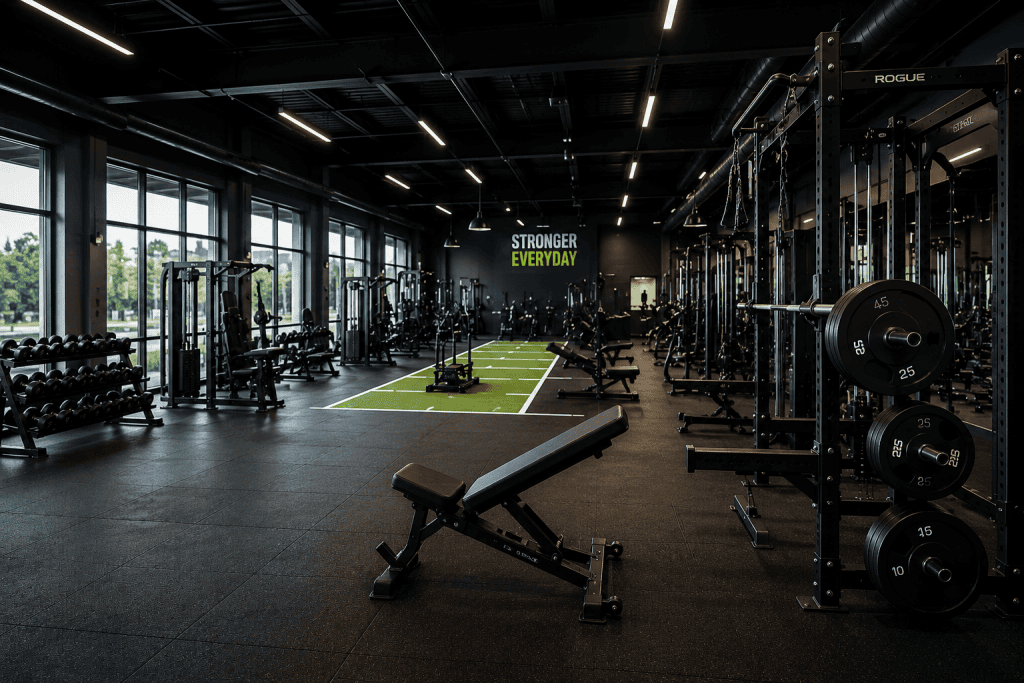
Owners considering strength training equipment financing should create an equipment list based on the facility’s actual business model. Power racks, cable machines, selectorized equipment, benches, platforms, and specialty machines can represent a significant portion of a commercial facility’s startup budget.
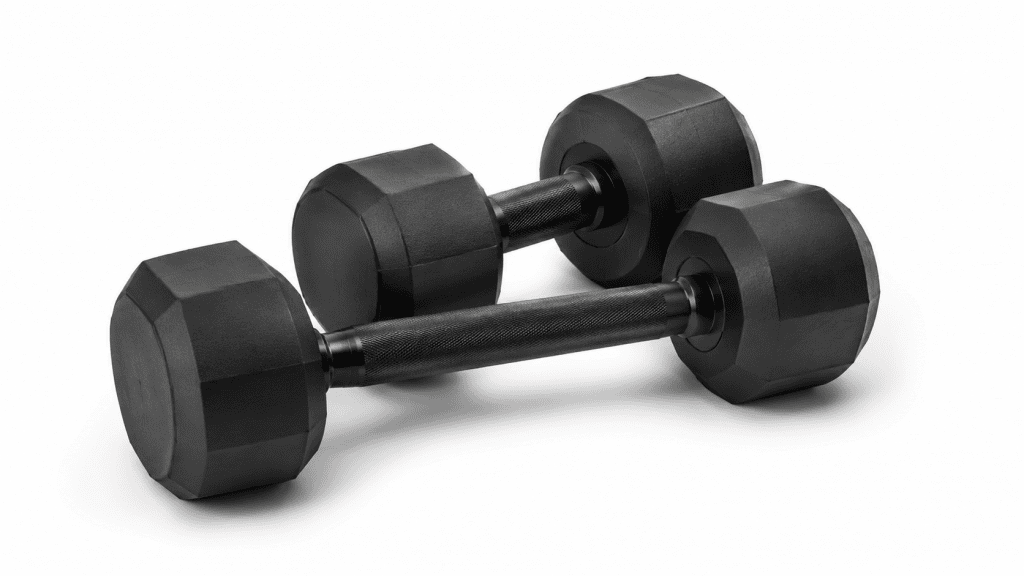
Similarly, free weight equipment financing may help qualified businesses spread the cost of dumbbells, barbells, plates, racks, benches, kettlebells, and related equipment over time instead of paying for everything upfront.
Existing facilities investigating fitness equipment upgrade loans should determine which machines genuinely need replacement. Replacing outdated or frequently broken equipment may deserve priority over purchasing equipment that merely adds variety.
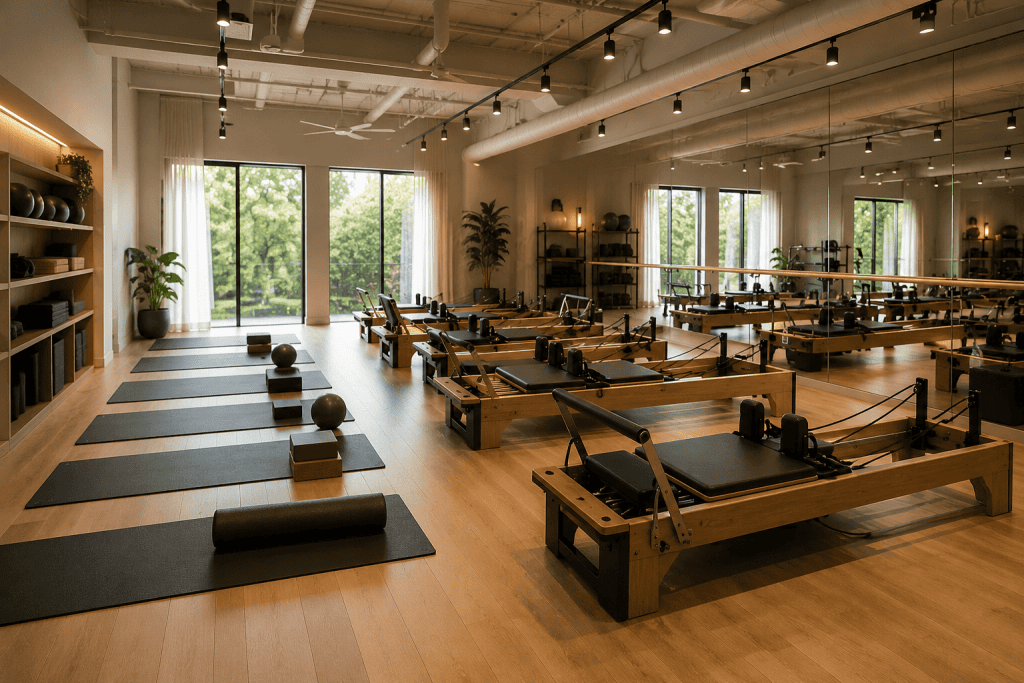
A specialized owner researching yoga studio financing will usually have a different capital budget. Flooring, mirrors, climate control, lighting, reception areas, changing facilities, props, software, and leasehold improvements may be more important than expensive strength machines.
The SBA’s current 7(a) program permits qualifying proceeds to be used to start a business, acquire or improve real estate, provide working capital, and purchase and install machinery and equipment. The current maximum 7(a) amount is $5 million.
2. Building a Complete Equipment Budget
Before pursuing New gym financing, entrepreneurs should develop a detailed equipment schedule. Instead of budgeting $200,000 for equipment as a single category, list the major machines, accessories, delivery charges, installation costs, warranties, flooring requirements, and other expenses.
With strength training equipment financing, owners should consider how the equipment supports the target customer. A powerlifting facility may emphasize racks, platforms, benches, and specialty bars, while a traditional health club may require a broader combination of selectorized and plate-loaded machines.
Businesses using free weight equipment financing should remember the supporting infrastructure. Dumbbells and plates require storage racks, appropriate flooring, benches, platforms, and enough floor space to provide members with a safe and functional workout area.
For established clubs, fitness equipment upgrade loans can be evaluated against maintenance costs and member usage. Equipment that requires frequent repairs or generates repeated complaints may be a stronger replacement candidate than a machine that is older but remains reliable and popular.
Entrepreneurs evaluating yoga studio financing can use the same budgeting discipline even though their equipment requirements may be smaller. Construction and buildout expenses can represent a greater percentage of the total project.
For additional fitness-business financing information, owners can visit GymYield.com and review financing topics relevant to starting, purchasing, equipping, or expanding a fitness operation.
3. Comparing SBA Financing With Other Sources
Entrepreneurs researching New gym financing can compare conventional banks, credit unions, equipment-finance providers, SBA participating lenders, and other commercial financing sources. Products can differ significantly in repayment period, collateral requirements, guarantees, fees, and permitted uses.
Qualified businesses pursuing strength training equipment financing may find SBA 7(a) worth investigating because machinery and equipment purchases and installation are expressly listed among eligible uses.
Likewise, free weight equipment financing might potentially be incorporated into a larger qualifying transaction when the equipment and applicant satisfy provider and program requirements.
Existing businesses evaluating fitness equipment upgrade loans can compare financing with paying cash. Using cash avoids a new repayment obligation, while financing may preserve liquidity for payroll, marketing, repairs, and other expenses. Neither approach is automatically appropriate for every company.
For yoga studio financing, 7(a) can also be worth researching when a project includes qualifying startup expenses, leasehold improvements, equipment, supplies, or operating capital.
SBA’s current comparison shows that 7(a) financing can reach $5 million. It lists eligible purposes including starting a business, machinery and equipment, facilities, permanent working capital, inventory, and business acquisitions.
Owners interested in government-backed programs can review the official SBA 7(a) program before discussing eligibility with participating providers.
4. Financing Strength and Free-Weight Equipment
A business using New gym financing should avoid purchasing equipment simply because it looks impressive in a facility. Every major expenditure should support the business model, expected membership, and available floor space.
When considering strength training equipment financing, owners can estimate member capacity during peak hours. A gym targeting serious strength athletes may need multiple racks and benches to prevent congestion, while a general health club may need a more balanced equipment mix.
With free weight equipment financing, durability is particularly important. Commercial dumbbells, plates, barbells, benches, and racks may experience considerably heavier use than equipment designed for a home gym.
Businesses investigating fitness equipment upgrade loans should consider whether new machinery could reduce downtime, lower maintenance expenses, improve member experience, or provide services that are currently missing.
A business pursuing yoga studio financing might devote much less of its budget to traditional machinery, but facility quality remains important. Flooring, temperature control, acoustics, lighting, storage, reception areas, and changing spaces can contribute significantly to the customer experience.
Owners should obtain multiple vendor quotations where practical and determine whether shipping and installation are included. A $100,000 equipment package can become considerably more expensive after freight, assembly, electrical modifications, flooring, and accessories are included.
The lowest purchase price should not automatically determine the final decision. Reliability, warranty coverage, expected lifespan, maintenance requirements, and suitability for commercial use also matter.
5. Creating a Realistic Gym Startup Budget
Businesses seeking New gym financing should determine their complete capital requirement rather than focusing exclusively on exercise equipment. A fitness business still needs sufficient money for construction, rent, payroll, insurance, marketing, technology, utilities, and everyday operations.
When strength training equipment financing is part of the plan, owners can separate durable machinery from shorter-lived technology and operating expenses.
Similarly, free weight equipment financing can be treated as a distinct category so management understands exactly how much of the startup budget is being invested in the strength-training area.
Existing businesses considering fitness equipment upgrade loans should avoid exhausting their operating reserves to make the down payment or complete related renovations.
A smaller business investigating yoga studio financing should also maintain adequate liquidity. Even a relatively simple studio can experience several months of marketing, payroll, rent, and utilities before membership reaches the level projected in the business plan.
Illustrative $750,000 Fitness Facility Project
This graph is a hypothetical planning example, not an industry average, financing quote, expected approval amount, or recommendation.
| Project category | Example amount | Share |
|---|
| Construction/buildout | $225,000 | 30% |
| Commercial equipment | $150,000 | 20% |
| Operating reserve | $112,500 | 15% |
| Lease/property expenses | $75,000 | 10% |
| Technology/access systems | $56,250 | 7.5% |
| Locker rooms/amenities | $56,250 | 7.5% |
| Marketing/signage | $37,500 | 5% |
| Furniture/miscellaneous | $37,500 | 5% |
| Total | $750,000 | 100% |
A real facility should replace these numbers with actual contractor estimates, vendor quotations, payroll projections, lease or property costs, and company-specific financial assumptions.
6. Financing a Facility Upgrade or Expansion
Established operators may use New gym financing concepts when opening a second location even though the company itself is no longer new. Each additional facility can effectively function as another startup project with construction, equipment, staffing, and marketing requirements.
For a facility emphasizing resistance exercise, strength training equipment financing could support an expansion of the weight-training floor when permitted by the financing arrangement.
Likewise, free weight equipment financing could be evaluated when membership growth has created shortages of dumbbells, benches, racks, barbells, or plates during peak hours.
Businesses considering fitness equipment upgrade loans should develop a replacement schedule. Record the purchase date, condition, repair history, expected remaining useful life, and approximate replacement cost of major machines. This can turn equipment replacement into a planned capital expense instead of an emergency.
A successful studio using yoga studio financing for expansion might need additional rooms, improved climate systems, flooring, changing areas, reception improvements, or a second location.
Large fixed-asset projects may also warrant investigating SBA 504. The program currently provides long-term, fixed-rate financing for qualifying major fixed assets and can support eligible land, buildings, construction, renovations, and long-term machinery. Working capital and inventory are not eligible 504 uses.
Owners can review the official SBA 504 program for current requirements.
7. Protecting Cash Flow While Investing in Growth
Entrepreneurs considering New gym financing should remember that opening the doors is only the beginning. The company must continue paying employees, rent or mortgage obligations, utilities, insurance, software subscriptions, cleaning expenses, marketing, and maintenance.
Using strength training equipment financing rather than purchasing every machine with cash may preserve some liquidity, but financing introduces recurring payments. Those payments should be incorporated into conservative cash-flow projections.
The same tradeoff applies to free weight equipment financing. Preserving $50,000 of available cash can be useful, but the business should understand the complete cost and repayment obligation associated with doing so.
Owners comparing fitness equipment upgrade loans can estimate the financial impact of both replacing and retaining existing machines. Frequent breakdowns can create repair costs and member dissatisfaction, while replacing functioning equipment prematurely can waste capital.
For a boutique operation, yoga studio financing should be evaluated against realistic membership projections rather than maximum theoretical studio capacity.
SBA’s 7(a) program permits qualifying short- and long-term working capital in addition to machinery and equipment. Its Working Capital Pilot can provide qualifying businesses with monitored lines of credit up to $5 million; SBA identifies at least one year of operating history and timely financial reporting among characteristics of businesses that may benefit.
Cash-flow planning matters because a profitable long-term investment can still create short-term financial pressure if repayment obligations are too large.
8. Building a Long-Term Fitness Business Strategy
Owners should treat New gym financing as one part of a broader capital strategy. A company may initially finance its first location, later replace equipment, purchase commercial property, open another facility, or acquire an existing fitness business.
Future strength training equipment financing may become necessary as membership grows or older commercial machines reach the end of their useful lives.
Likewise, free weight equipment financing could support future expansion when a business adds more racks, platforms, benches, dumbbells, barbells, or specialty equipment.
Companies using fitness equipment upgrade loans should avoid replacing machinery solely because manufacturers introduce newer models. The financial case is stronger when an upgrade addresses reliability, member demand, maintenance costs, capacity, or a meaningful new service.
Businesses using yoga studio financing can apply the same long-term approach. A first studio might eventually lead to a second location, expanded class offerings, improved facilities, instructor-training space, or complementary wellness services.
A disciplined owner can maintain a capital-expenditure schedule covering equipment, renovations, technology, and property improvements for several years ahead. This provides time to accumulate cash, compare providers, and investigate financing before an urgent replacement becomes necessary.
For qualifying businesses, SBA currently lists 7(a) financing up to $5 million and 504 financing up to $5.5 million, subject to each program’s requirements and permitted uses.
Making Fitness Financing Part of the Business Plan
Successful fitness businesses need more than attractive equipment. Location, management, membership retention, pricing, staffing, marketing, customer experience, operating expenses, and cash flow all influence whether a facility can support its financial obligations.
Before applying, owners can develop a detailed use-of-funds schedule and collect vendor quotations and contractor estimates. Established businesses can review historical revenue and expenses, while startups can prepare conservative projections that account for the time required to build membership.
Financing offers should be compared based on the complete economics of the transaction—not simply the advertised payment. Review the amount received, interest or financing cost, applicable fees, payment frequency, repayment period, collateral requirements, guarantees when applicable, and total expected repayment.
SBA-backed financing is only one possibility. Depending on the project and qualifications, fitness businesses may also investigate banks, credit unions, equipment-finance providers, commercial real-estate financing, and other business-capital sources.
For more information about financing fitness centers, health clubs, specialty studios, equipment purchases, acquisitions, construction, and expansion, visit GymYield.com or its gym financing application page.
GymYield.com operates as an affiliate marketplace and does not independently make credit decisions. Availability, approval, amounts, rates, fees, collateral requirements, guarantees, and repayment terms depend on independent providers and applicant qualifications.